
Haomei Aluminum supplies aluminum foil and strip in rolls for food and beverage lids, peel-off ends, and other packaging components.
Available materials include 8011 and 8079 aluminum foil, as well as 3004 and 3104 aluminum strip. The right choice depends on how the lid is formed and sealed, not just the alloy grade.
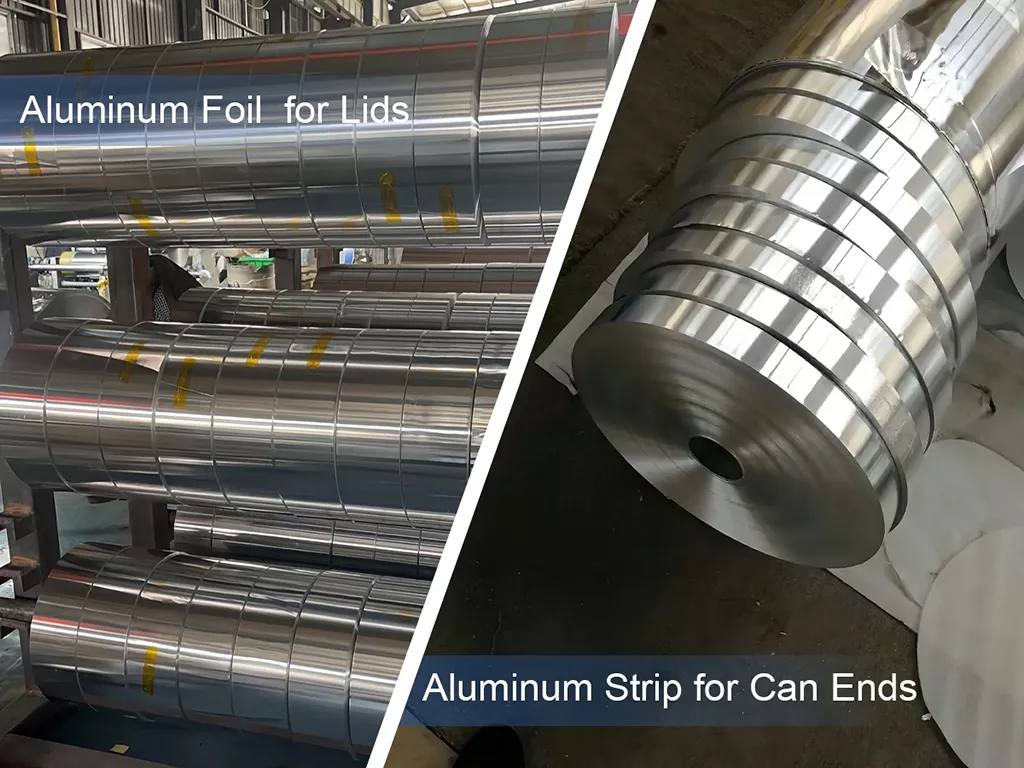
- Supply Form
- Foil Coils / Strip Coils / Slit Strip
- Foil Thickness
- 0.03–0.09 mm
- Strip Thickness
- 0.20–0.40 mm
Aluminum Foil and Strip Specifications for Lids and Can Ends
| Material Factor | Aluminum Foil for Lids | Aluminum Strip for Can Ends |
| Typical Alloys | 8011, 8079, 1235 | 3004, 3104, 5052 |
| Typical Temper Range | O, H14, H16, H18 | H19, H48, H14 |
| Typical Thickness | 0.03–0.09 mm | 0.20–0.40 mm |
| Primary Processing | Coating, lacquering, laminating, printing, sealing and converting | Slitting, stamping, forming and coating where specified |
| Supply Format | Jumbo roll or slit roll | Coil or customized slit strip |
| Key Purchasing Variables | Gauge, width, temper, surface, coating, core ID and roll OD | Gauge, slit width, temper, coating, coil weight and edge condition |
Aluminum Lidding Foil Specifications for Sealing Applications
Lidding foil can be supplied as bare foil for subsequent converting or with a specified coating or lacquer system where the production process calls for a prepared surface.
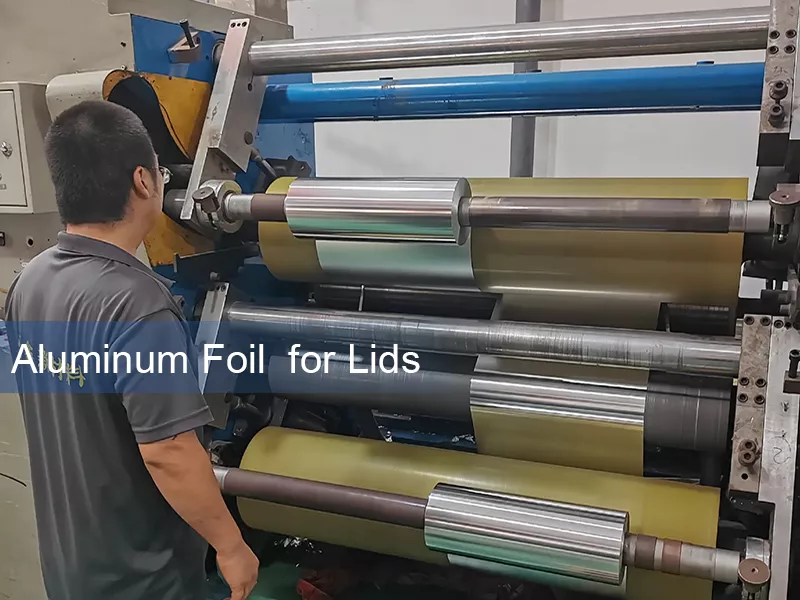
- Alloy
- 8011, 8079, 1235
- Temper
- O, H14, H16, H18
- Thickness
- 0.03–0.09 mm (30–90 μm)
- Width
- Up to 1000 mm
- Coil ID
- 76 mm / 152 mm
- OD
- Customized according to production requirements
- Supply Form
- Jumbo coil / slit coil / customized roll
For additional 8011 foil information, see Haomei's 8011 aluminum foil page for available foil forms, tempers, surface conditions and customized coil dimensions.
Aluminum Strip Specifications for Can Ends and Structural Lids
Aluminum strip for can ends is normally purchased in coil or slit-strip form rather than as finished stamped ends. The slit width is determined by the end diameter, stamping layout, forming method and material utilization requirements.
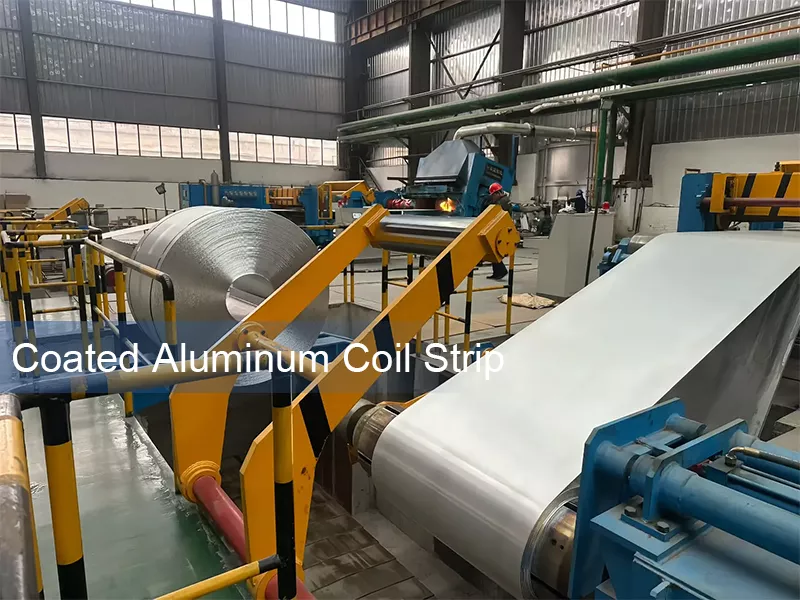
- Alloy
- 3004, 3104, 5052
- Temper
- H19, H48, H14
- Thickness
- 0.20–0.40 mm
- Width
- Customized slitting width
- Form
- Coil or slitted strip
- Surface
- Bare or specified coated condition
- Processing
- Rolling, slitting, coating and customized finishing according to order scope
For narrow-width aluminum strip requirements, see Haomei's aluminum strip for alloy, temper, thickness and customized slit-width options, then confirm the required specifications with the factory before production.
Why Aluminum Foil Is Used for Lids and Seals
Protection Against Light, Moisture and Oxygen
Aluminum foil adds a barrier layer that helps protect packaged products from light, moisture, oxygen and outside odors. In finished lids, that protection depends on foil integrity, the surrounding layers and a reliable seal around the rim.
Peelable and Tear-Open Lid Designs
Foil can be used in lids designed to peel from a or tear open at a defined point. Opening force is controlled by the complete lid structure, including the laminate and sealant—not by the foil alone. The sealing layer must also match the material.
Options for Coating, Printing and Forming
Aluminum foil can be printed, coated with heat-seal lacquer, laminated or embossed before being cut into finished lids. Alloy, temper and thickness should be selected for the intended process, especially where the foil needs to hold its shape or withstand further handling.
Roll Stock for Continuous Production
Foil supplied in rolls supports continuous coating, laminating and lid-converting operations. Specifying roll width, outside diameter, core size and roll weight helps ensure compatibility with the production line. Winding quality and web tension also affect how consistently the material feeds through the equipment.
Typical Technical Parameters for Aluminum Foil and Strip
Typical Chemical Composition of Aluminum Foil and Strip
| Element | 8011 (Foil) | 3004 (Strip) |
| Al | Remainder | Remainder |
| Si | 0.50 – 0.90 | ≤ 0.30 |
| Fe | 0.60 – 1.00 | ≤ 0.70 |
| Cu | ≤ 0.10 | ≤ 0.25 |
| Mn | ≤ 0.20 | 1.0 – 1.5 |
| Mg | ≤ 0.05 | 0.8 – 1.3 |
| Zn | ≤ 0.10 | ≤ 0.25 |
| Ti | ≤ 0.08 | ≤ 0.05 |
Typical Mechanical Properties of Aluminum Foil and Strip
| Alloy | Temper | Thickness (mm) | Tensile Strength (MPa) | Elongation (%) |
| 8011 | O / H14 / H16 | 0.03 – 0.09 | 50 – 170 | 2 – 15 |
| 3004 | H19 / H48 | 0.20 – 0.40 | 240 – 300 | 2 – 10 |
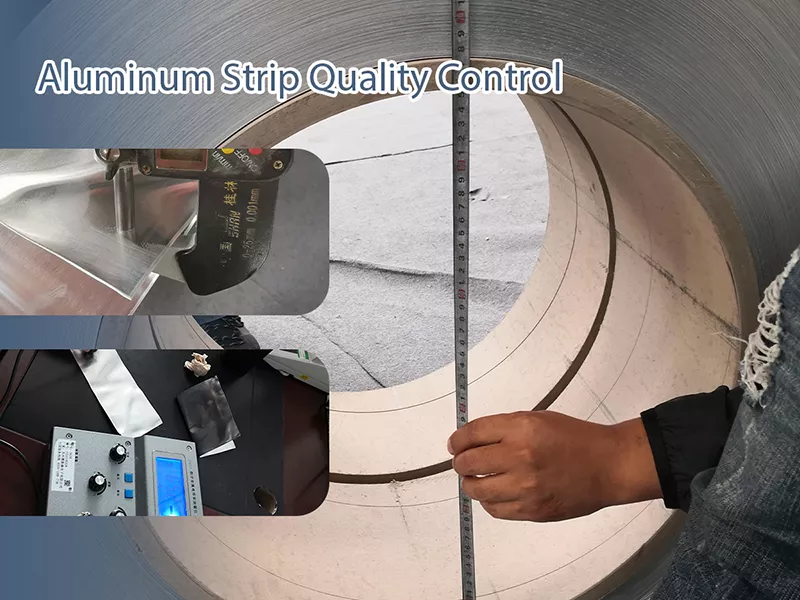
Quality Control for Aluminum Lid Foil and Can End Stock
For aluminum foil and strip supplied for lids and can ends, Haomei can align the inspection scope with your confirmed order specifications. Dimensions, surface requirements, coil sizes and required documents should be agreed before production.
- Alloy and temper: Verify the material designation against the alloy and temper specified in the order.
- Foil and strip thickness: Measure thickness against the ordered gauge and agreed tolerance.
- Overall width and slit width: Check material width against the dimensions specified for delivery.
- Surface cleanliness and appearance: Inspect for visible contamination, scratches and other surface defects against the agreed acceptance criteria.
- Edges and slitting quality: Inspect slit edges for burrs, damage and uneven cutting.
- Coating or lacquer condition: For coated materials, inspect the finish according to the coating requirements confirmed in the order.
- Coil dimensions and winding: Check the coil inner diameter (ID), outer diameter (OD) and winding condition against the agreed requirements.
- Roll weight and identification: Verify roll weights and check that identification labels match the supplied material.
- Packaging before shipment: Inspect packaging condition and confirm that it meets the agreed packing requirements.
- Inspection documentation: Provide a mill test certificate (MTC), certificate of analysis (COA) or other inspection records where agreed as part of the order.
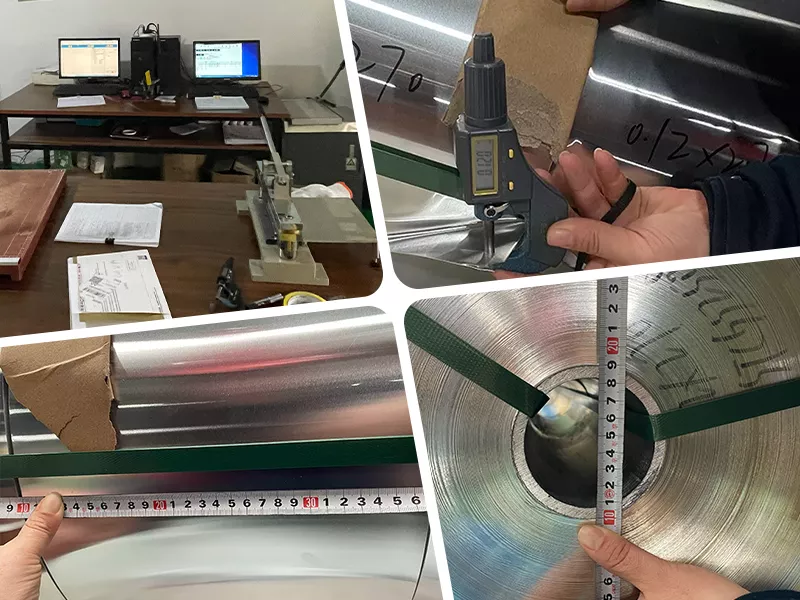
Aluminum Foil and Strip Packaging for Lids and Can Ends
For aluminum foil used in lids and aluminum strip used in can ends, packaging requirements depend on the roll size, handling method and shipping conditions.
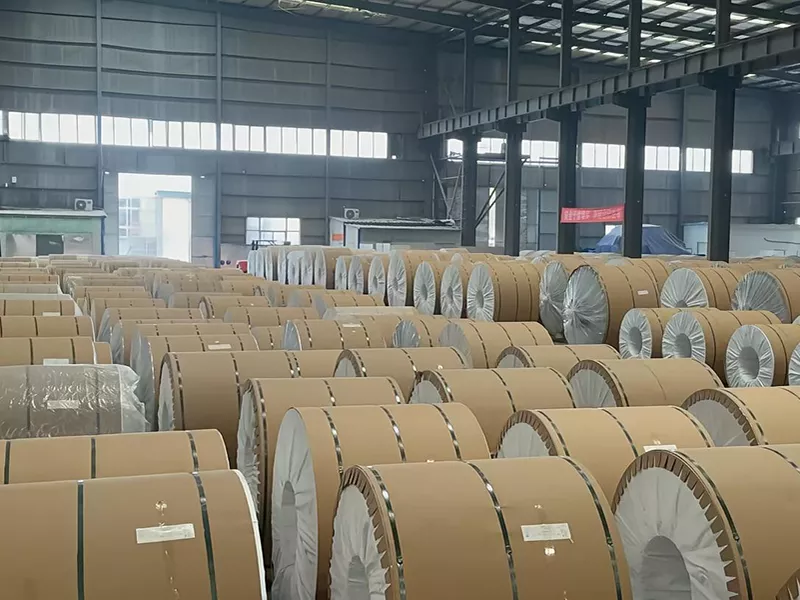
Aluminum Foil Coil Packaging
For lid foil orders, include the roll width, core size and maximum roll weight in your packing specifications. Moisture protection and roll support should be agreed before shipment.
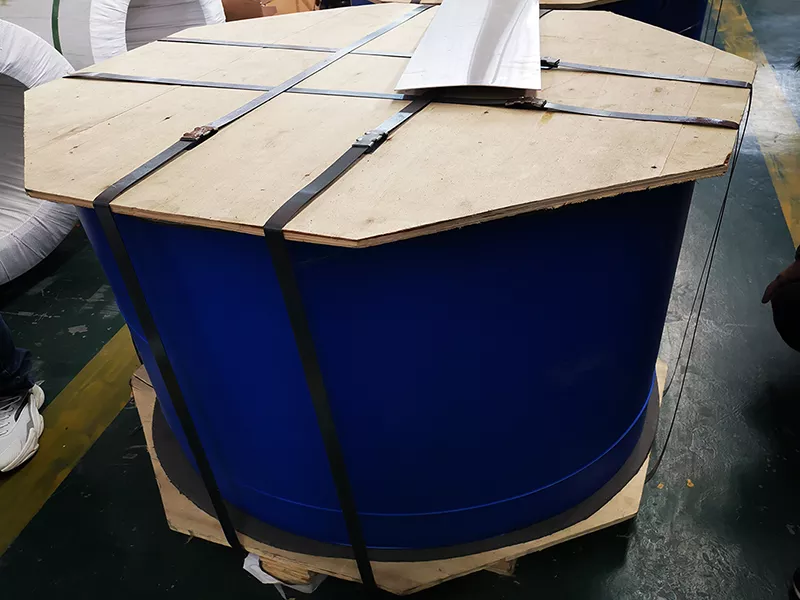
Aluminum Strip Packaging
For slit strip and can-end stock, confirm coil orientation, edge protection and unloading requirements. Packing details should suit both the shipping route and your receiving equipment.
Export packing: Include your destination, shipping method and coil-label requirements with your inquiry so the packing arrangement can be confirmed.
Request Aluminum Foil or Strip for Lid and Can End Production
For Haomei Aluminum to review your inquiry, please provide:
- Aluminum alloy
- Temper
- Material thickness
- Required foil or strip width
- Jumbo roll or slit-roll format
- Core ID and preferred outer diameter
- Coating or lacquer requirement
- Printing or surface requirement
- End-use and forming method
- Order quantity
uminum Foil or Strip for Your Lid Production?
Send Haomei Aluminum your application, alloy, temper, thickness, width, coating requirement, core size, roll format and order quantity.
Request a QuoteAluminum Foil and Strip for Lids: Factory Supply from Haomei
Haomei Aluminum supplies aluminum foil and strip for lidding foil, peel-off ends and can-end production. With more than 20 years of manufacturing and processing experience, we supply material to suit your coating, slitting, stamping or forming requirements.
Rolling & Quality Control
Foil and strip are rolled to agreed thickness and material specifications. Quality checks focus on the requirements confirmed for your application, supported by order documentation and export packing.
Custom Slitting & Coil Supply
Specify the width and coil configuration needed for your next production step. We coordinate slitting and coil preparation around your handling, stamping or forming requirements.
Coating Options & Direct Pricing
Coating, lacquer and heat-seal requirements are reviewed before ordering. Factory-direct quotations are based on your alloy, dimensions, processing needs and quantity, with a clear scope of supply.
Request a material quote: send your intended use, alloy and temper if known, thickness, width, coil requirements and estimated quantity.
FAQ About Aluminum Foil and Strip for Lids and Can Ends
What aluminum foil is used for lidding applications?
Common foil grades for lidding applications include 8011, 8079 and 1235. O temper is often selected where flexibility is important, while harder tempers may be used when greater stiffness is required. The final alloy and temper should match the lid structure and converting process.
What thickness is used for aluminum lidding foil?
Haomei's typical specification range for this application is 0.03–0.09 mm (30–90 μm). The actual thickness depends on the lid design, sealing structure, forming process and required mechanical performance.
What aluminum alloys are used for can end strip?
Commonly specified grades include 3004, 3104 and selected 5052 conditions. Alloy and temper are selected according to the forming depth, end geometry, strength requirement, coating system and production process.
Can Haomei supply coated aluminum strip for can ends?
Yes. Where a coated surface is required, Haomei can review the substrate alloy, temper, thickness, slit width and coating requirements together. The coating specification should be agreed before production to ensure compatibility with downstream stamping and sealing processes.
Can you supply lacquered aluminum foil for lids?
Lacquered or coated foil can be supplied according to the required alloy, foil thickness, coating side, color or finish and downstream converting requirements. The coating system should be defined according to the complete lid construction rather than selected by appearance alone.
What information should I send for a factory quotation?
Send the required alloy, temper, thickness, width, coating or lacquer requirement, coil format, core dimension, order quantity and application. For can-end strip, include the slit width or end dimensions where available. This information allows Haomei to review the material specification before preparing a quotation.