
Pharmaceutical vial seals are formed from aluminum stock selected for the requirements of the closure design, stamping die and finishing process. The material must be suitable for forming into the aluminum shell while maintaining the dimensional consistency and surface quality required by the closure manufacturer.
Haomei Aluminum supplies aluminum strip and coil for conversion into the metal components of pharmaceutical vial seals, including the aluminum shells used in flip-off closures and selected tear-off designs. Depending on the project, material selection can involve 1060 or 8011 alloy, a specified temper, controlled slit width and mill-finish or coated surfaces.
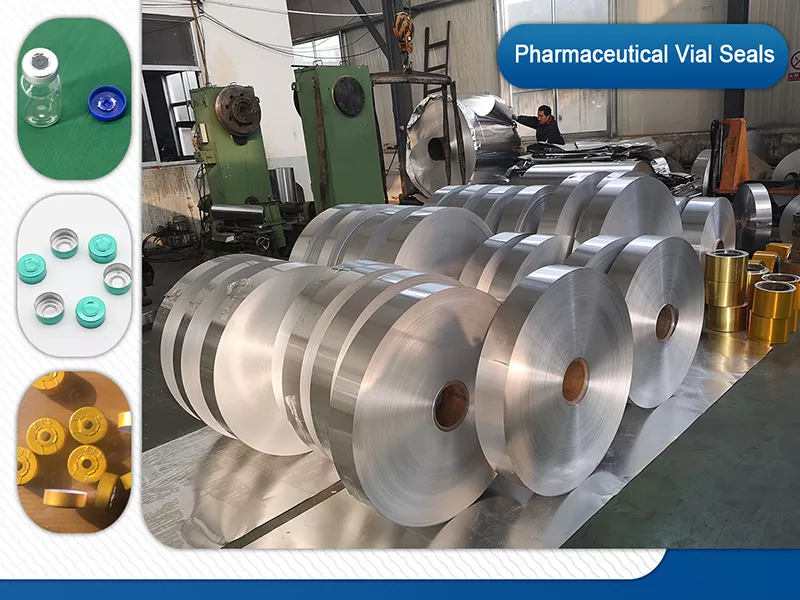
- Alloys
- 1060 / 8011
- Thickness
- 0.15–0.50 mm
- Supply forms
- Coils / slit strips
- Surface options
- Mill finish / DOS / lacquered
Applications of Aluminum Strip in Pharmaceutical Vial Seals
Pharmaceutical vial seals use formed aluminum to hold the stopper in place while allowing access when needed. The seal design determines what the strip must withstand—from stamping and punching to crimping and opening. Alloy, temper, thickness and surface finish should therefore be selected for the specific closure and production process.
Flip-Off Seal Shells
In a flip-off seal, the aluminum shell supports a plastic button and is crimped around the vial neck to secure the stopper. The strip needs to form cleanly without splitting and maintain consistent shell dimensions for button assembly. Surface finish also matters where the aluminum remains visible after the button is removed.
Center-Tear and Complete-Tear Seals
Tear-off designs allow users to remove a center section or the full aluminum seal, depending on the closure. Reliable opening depends on more than strip thickness: temper, score depth and pull-tab geometry all affect how the metal tears. Material selection should be checked through forming and opening trials on the finished seal.
Open-Top and Center-Punched Seals
These seals leave a defined opening over the stopper or septum. Punching must produce a consistent opening with controlled burrs, while subsequent forming must preserve the ring shape. For manufacturers, the key checks include opening dimensions, edge condition and the fit of the formed seal on the intended vial.
Haomei supplies aluminum strip for manufacturing vial seal components, rather than finished closures. When requesting material, include the seal drawing, required alloy and temper, strip thickness and tolerance, and any coating or surface-finish requirements.
Aluminum Alloy Options for Pharmaceutical Vial Seals
Choosing aluminum for a vial seal starts with the closure design and forming process. The material needs to accommodate drawing and crimping while meeting the requirements for shell strength, opening performance and surface finish. Alloy and temper matter, but thickness and shell geometry also influence how the finished seal performs.
1060 Aluminum Sheet, Strip and Foil for Vial Seals
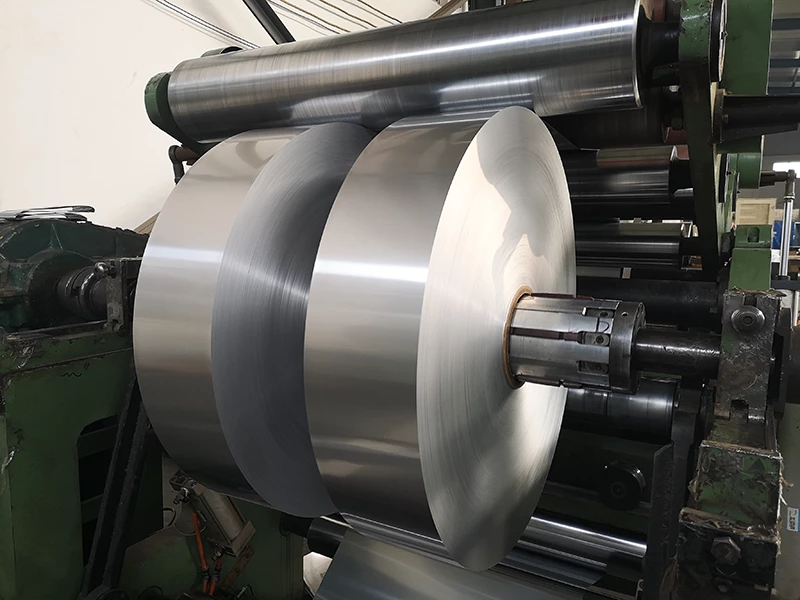
1060 is a commercially pure aluminum grade with good ductility, making it an option for pharmaceutical vial-seal components that require substantial deformation. In the annealed condition, it offers high formability for shaping closure shells. Material selection should also account for the strength needed during handling and assembly.
8011 Aluminum Closure Stock for Pharmaceutical Vial Seals
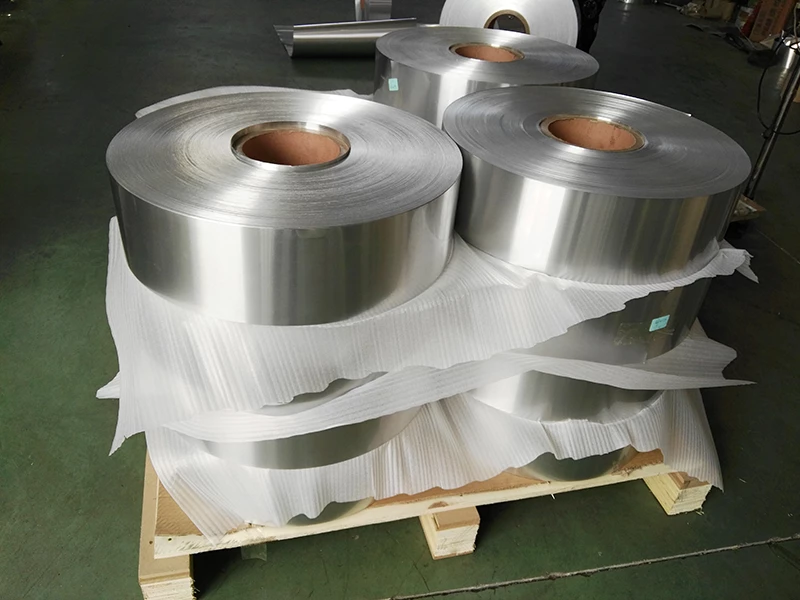
8011 aluminum is used in closure stock for pharmaceutical vial seals. It can be considered when the seal design requires a balance of formability and finished-shell strength. Selection should account for temper, thickness, coating, printing and opening features rather than relying on the alloy designation alone.
Material thickness and temper should be checked against the drawing depth, edge profile and crimping requirements. See our 1060 aluminum sheet and strip for vial seals page for more on this material option.
For other cap and seal applications, explore our broader aluminum closure stock range.
Aluminum Forms and Specifications for Pharmaceutical Vial Seals
Aluminum Material Forms for Pharmaceutical Vial Seals
Aluminum closure stock is available in coil and slit-strip formats. Select the alloy, temper and dimensions to suit the closure design, forming process and feeding equipment.
Aluminum Coil
Coil is suited to press lines that feed material continuously from a decoiler. When ordering, specify the coil inner diameter, maximum outer diameter, coil weight and winding direction so the material can be matched to your handling and feeding equipment.
Slit Aluminum Strip
Slit strip provides a specified width for the die layout and feed path. Along with the nominal width, confirm the width tolerance, acceptable burr level and edge condition. Coil dimensions and winding requirements should also be included in the order.
View our aluminum closure coils for coil supply options.
Material Specifications for Pharmaceutical Vial Seals
| Parameter | Specification |
| Alloy | 1060 or 8011 |
| Temper | O temper or a work-hardened temper agreed for the application |
| Thickness | 0.15–0.50 mm |
| Slit Strip Width | 50–900 mm |
| Core Inner Diameter | 76 mm or 152 mm; confirm the required core size when ordering |
| Surface Finish | Plain mill finish / DOS oil-lubricated finish / Chromated finish / Color coating on one side, with protective lacquer on the reverse; colors include gold, white, red, blue and black / Clear lacquer on both sides |
| Packaging | Packing method, coil orientation and handling requirements to be agreed before shipment |
| Minimum Order Quantity | 2 tons |
For a quotation, provide the alloy, temper, thickness, strip width, surface finish and order quantity. For coil orders, also include the required inner diameter, maximum outer diameter and maximum coil weight.
Discuss Your Vial Seal Aluminum Requirements with Haomei
Send the required alloy, temper, thickness, slit width, coil dimensions, surface finish and inspection criteria. Haomei can review the requested specifications and confirm the available supply configuration and applicable technical documentation.
Send an InquirySurface Finishes for Pharmaceutical Vial Seal Aluminum
Mill-Finish Aluminum
Mill-finish aluminum is supplied without an applied lacquer coating, making it an option for vial seal manufacturers that carry out their own surface treatment. Before ordering, agree on acceptable rolling marks, surface cleanliness and residual lubricant limits. These requirements help determine whether the material is suitable for the planned cleaning, coating and forming processes.
DOS Oil-Lubricated Aluminum
A DOS-treated surface provides lubrication for strip feeding and forming. Specify the oil application level to suit the production line, and check whether removal is needed before subsequent processing. Compatibility with washing, lacquering, bonding and assembly should be verified through trials using the intended production conditions.
Colored Protective Lacquer
Colored lacquer gives aluminum vial seals a specified appearance for product identification or branding. Available colors may include gold, white, blue, red and black, depending on the supplier’s coating range. For a colored outer face with a protective reverse coating, define both sides separately and confirm color tolerance, coating adhesion and resistance to cracking during forming.
Clear or Transparent Lacquer
Clear lacquer retains the metallic appearance of aluminum while adding a protective coating. It can be specified for one or both sides, depending on the vial seal design. Select the coating for the actual production sequence, including any printing, forming or heat exposure, and confirm the required adhesion and finished appearance.
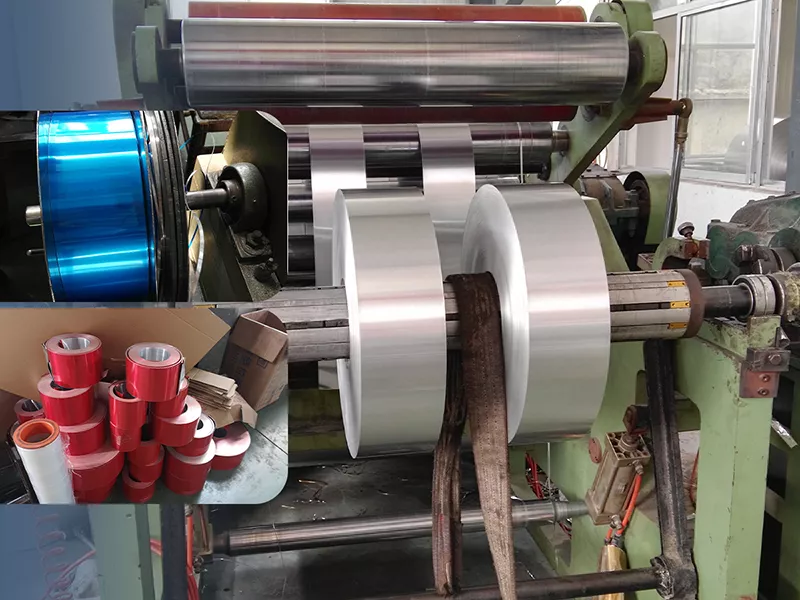
Quality Control for Aluminum Strip for Vial Seals
At Haomei Aluminum, we control the dimensions, forming properties and surface quality of aluminum strip supplied for vial seal production. Inspection follows the alloy, temper, tolerances and finish specified in each order, with results recorded against the corresponding material lot.
Strip Dimensions and Coil Quality
- Thickness: We measure strip thickness and check variation against the agreed tolerance.
- Width: We verify slit width against the order specification to match the customer’s stamping layout.
- Slit edges: We inspect edges for burrs and damage, using the acceptance limits defined for the order.
- Flatness and winding: We check strip flatness, coil alignment and winding condition for handling and feeding.
- Coil dimensions: We verify coil inside diameter, outside diameter and weight against the packing requirements.
Mechanical Properties and Forming Performance
- Alloy and temper: We verify the material designation and temper against the approved order specification.
- Tensile strength: We test tensile properties against the agreed limits for the supplied aluminum strip.
- Elongation: We check elongation to confirm that the material meets the specified ductility requirements.
- Earing assessment: For orders with earing limits, we evaluate formed samples and record the results against those limits.
- Forming trials: Where included in the technical agreement, we assess stamped or drawn samples for cracking, splitting and uneven forming.
Surface Finish and Coating Inspection
- Surface defects: We inspect the strip for scratches, dents, stains and other visible defects against the agreed surface acceptance criteria.
- Cleanliness: We check surface cleanliness and residual lubrication against the requirements for subsequent processing.
- Coating appearance: For coated strip, we check color against the approved reference and inspect coverage for visible irregularities.
- Coating properties: We verify coating weight or thickness, adhesion and curing using the tests specified for the coating system.
- Resistance testing: For orders requiring steam or autoclave resistance, we test coated samples under the agreed exposure conditions and assess the finish afterward.
Lot Traceability and Shipment Inspection
- Material identification: We identify each supplied coil and link it to the corresponding material lot and order.
- Inspection records: We record dimensional, mechanical and surface inspection results against the applicable lot.
- Quality documentation: We provide the material test certificate or inspection report specified in the purchase agreement.
- Finish information: We document coating and surface-treatment details to the scope agreed with the customer.
- Pre-shipment checks: We inspect coil protection, packaging condition and labels, then verify packing and shipment documents against the order.
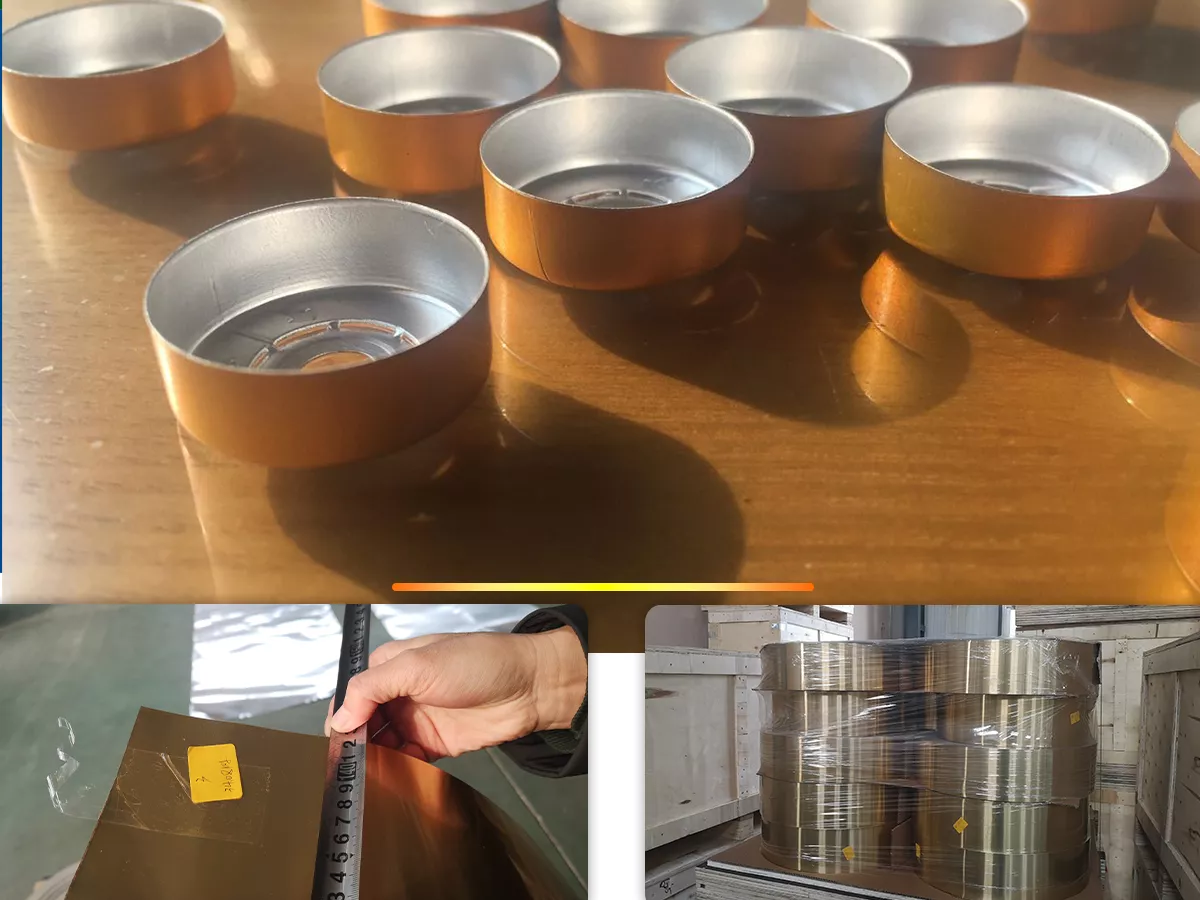
Custom Aluminum Strip Supply for Pharmaceutical Vial Seals
- Seal structure: Flip-off, center tear, complete tear or open top.
- Drawing: Shell dimensions, draw depth, punched openings and tear features.
- Material requirement: Alloy, temper, thickness and acceptable alternatives.
- Supply format: Slit strip, coil or sheet.
- Coil details: Width, core ID, maximum outside diameter and maximum weight.
- Surface specification: Mill finish, lubricant, lacquer color and coated sides.
- Dimensions: Thickness, thickness tolerance, strip width, width tolerance and slit-width requirements.
- Order details: Quantity, destination, target delivery schedule and sample or trial requirements.
FAQ – Aluminum Strip for Pharmaceutical Vial Seals
Which aluminum alloy is suitable for pharmaceutical vial seals?
1060 and 8011 are candidate alloys for review. The choice depends on the closure geometry, required deformation, shell strength, surface finish and opening design. The alloy and temper should be confirmed against the customer's drawing, material specification and forming requirements.
What thickness is typically used for aluminum vial seal stock?
A preliminary reference range is 0.15–0.50 mm. The suitable thickness depends on the particular seal design, forming process and dimensional requirements. The final nominal thickness and tolerance should be confirmed before ordering.
Can Haomei provide aluminum sheet for vial seals?
Sheets or strip can be considered according to the required part geometry and production-line arrangement. Coil or slit strip may suit continuous feeding, while sheet formats may suit other blanking arrangements. Thickness, dimensions and availability need to be confirmed for the specific application.
What surface finish is suitable for aluminum used in vial crimp seals?
Mill finish, DOS-treated or specified lacquered material may be considered. The decision depends on stamping lubrication, subsequent cleaning or coating, appearance requirements and compatibility with the validated production process. A coating should not be selected on color alone.
Is 1060 or 8011 better for vial seals?
Neither is universally better. 1060 is often considered where ductility is important, while 8011 may be considered where the design requires a different strength–formability balance. The selected temper, thickness and actual forming trial are decisive.