
Haomei Aluminum supplies aluminum sheet and related flat-rolled material for bottle-cap and closure manufacturing. Depending on the closure design and production route, the material can be specified by alloy, temper, thickness, sheet dimensions, surface finish and coating requirements.
- Product Form
- Flat sheets, cut-to-length sheets, coils and strips
- Typical Thickness
- 0.15–0.50 mm, subject to alloy, temper and application
- Alloy Options
- 1050 / 1060 / 3004 / 3104 / 3105 / 5052 / 5182 / 8011
- Surface Options
- Mill finish, degreased, lubricated, coated or printed
- Sheet Dimensions
- Custom length, width and tolerances by order
- Packaging
- Interleaving, edge protection and pallet weight by agreement
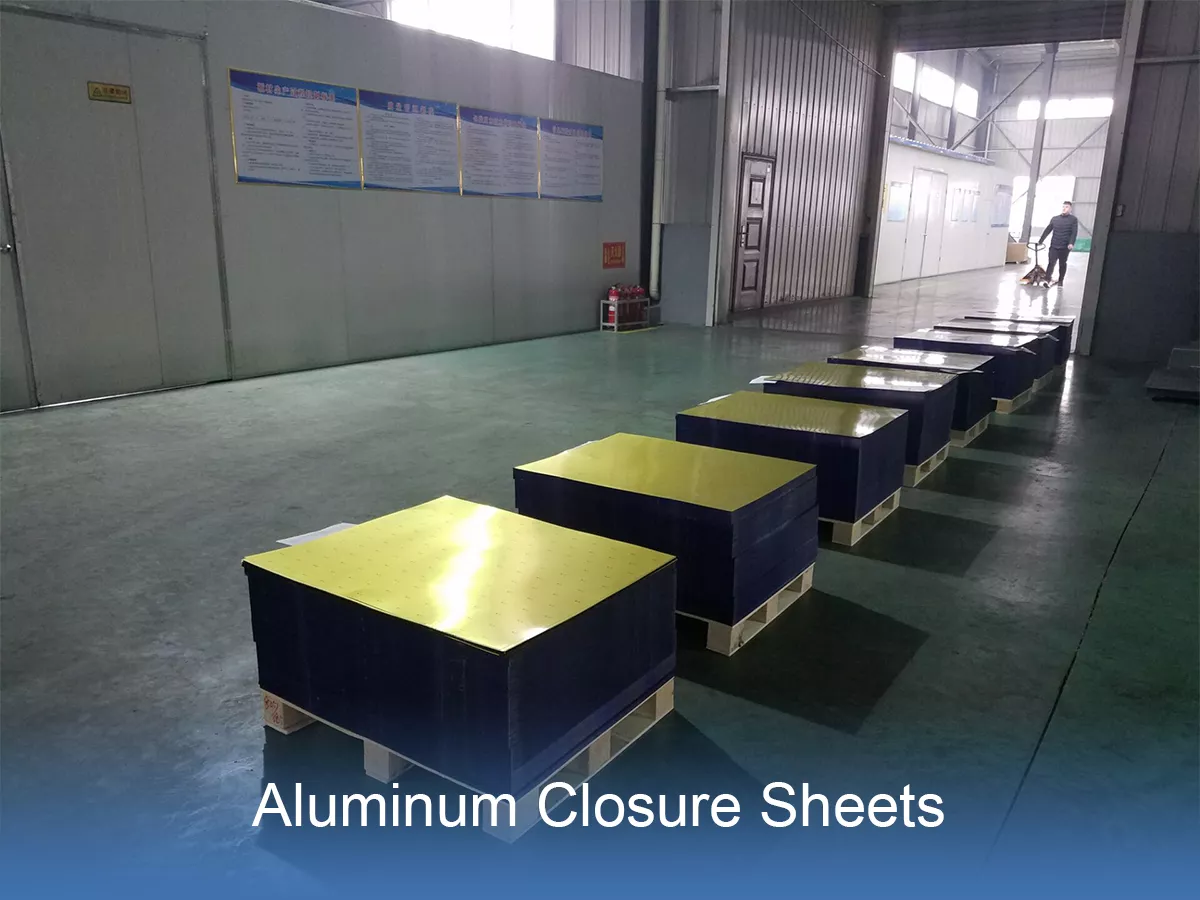
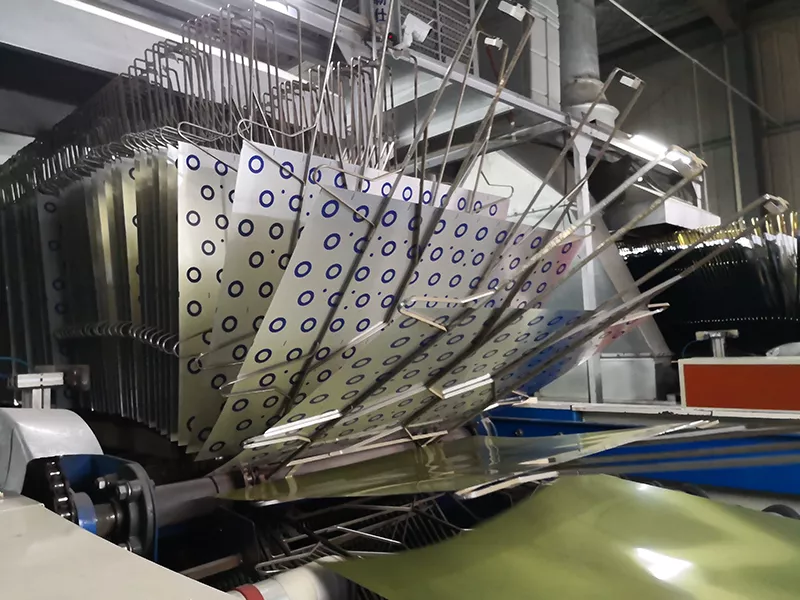
For broader material options, see our Aluminum Closure Stock for Bottle Caps range.
Aluminum Closure Sheets vs. Coils: Which Should You Choose?
Choose aluminum closure sheets when your coating, printing or stamping equipment takes flat stock. Cut-to-length sheets arrive in the dimensions you order, ready for sheet-fed processing without an in-house cut-to-length step. If your line feeds directly from an uncoiler, coil stock is usually the more practical starting point.
Sheets for Sheet-Fed Production
Flat sheets make individual inspection and batch separation straightforward. They are a practical option for closures that need coating or printing before stamping, provided the sheet size matches the equipment and tooling layout.
Coils for Coil-Fed Production
For equipment designed to unwind and feed strip continuously, aluminum closure coils can reduce the need to load individual sheets. They suit coating, slitting and stamping operations built around coil handling.
Compare the cost per acceptable closure, not just the material price per tonne. Sheets may save on preparation for a sheet-fed line, but cutting charges, interleaving, pallet handling and nesting scrap still affect the total. Coils may offer a better fit for continuous production, provided the line can handle the specified coil size and weight.
Alloy Options for Aluminum Closure Sheets
The right aluminum alloy depends on the closure design, forming process, and required strength. For bottle caps and screw closures, 8011 and 3105 are common options. Other grades may be specified for deeper forming, higher-strength components, or different packaging applications.
- 8011 aluminum closure sheet: Commonly used for roll-on pilfer-proof (ROPP) caps and screw closures. It offers a practical balance of formability and strength for cap production. See our 8011 aluminum closure stock for more information.
- 3105 aluminum closure sheet: Used for bottle caps and screw closures that require both forming performance and strength. Our 3105-H14 aluminum page covers this grade in the H14 temper; the final temper should match your cap design and production process.
- 3104 aluminum sheet: Widely associated with beverage can bodies rather than standard bottle caps. For a closure application, suitability should be checked against the required drawing and forming operations.
- 3004 aluminum sheet: Used in drawn packaging components where strength and formability are important. Its suitability for a particular closure depends on the component geometry, temper, and sheet thickness.
- 1060 aluminum sheet: A commercially pure grade with good ductility but relatively low strength. It may suit soft, easily formed components where high mechanical strength is not required.
- 5182 aluminum sheet: Commonly used for beverage can ends and tabs. It is a higher-strength packaging alloy, not a direct substitute for conventional bottle-cap stock.
- 5052 aluminum sheet: Offers corrosion resistance and moderate-to-high strength. It may be considered for specialized closure components, subject to forming trials and application requirements.
When ordering closure stock, specify the alloy and temper together with thickness tolerances, surface finish, and coating requirements. For food or beverage packaging, confirm that the finished material and coating system meet the applicable food-contact requirements.
Request a Quote for Aluminum Closure Sheets
Haomei Aluminum supplies aluminum raw material for closure and packaging-component production. To evaluate a suitable specification, share the intended application and the requirements that control your production process.
Send Your RequirementDC and CC Aluminum Closure Sheets
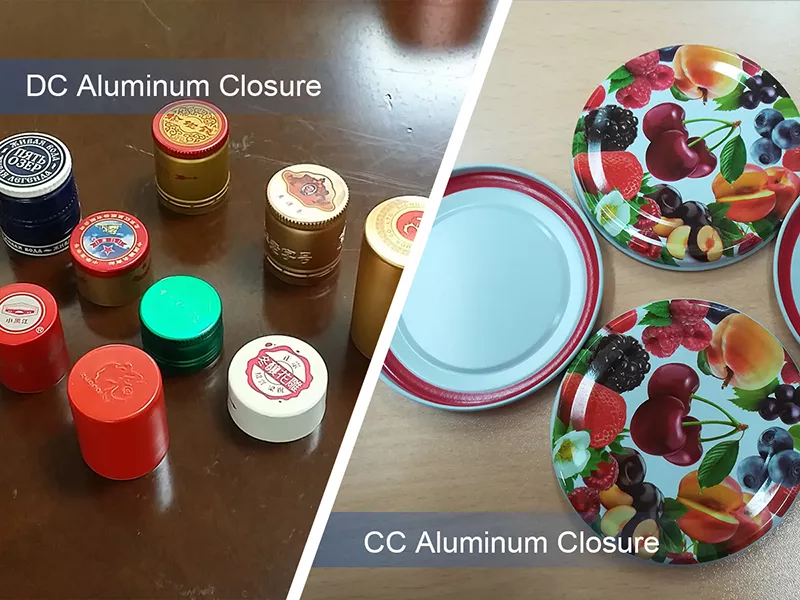
Aluminum closure sheets are produced through direct-chill (DC) or continuous casting (CC). Both routes can supply material for bottle caps and other closures, provided the finished sheet meets the application requirements.
DC Aluminum Closure Sheet
DC production starts with a cast slab, which is typically homogenized, hot rolled and then cold rolled to the required thickness. For closures that require drawing, embossing or thread forming, ask for mechanical property data and trial results at the specified alloy and temper.
CC Aluminum Closure Sheet
CC production casts aluminum continuously into strip, followed by rolling and heat treatment as required. The shorter processing route can offer a cost advantage, but suitability still depends on the finished sheet.
Coating and Printing Options for Aluminum Closure Sheets
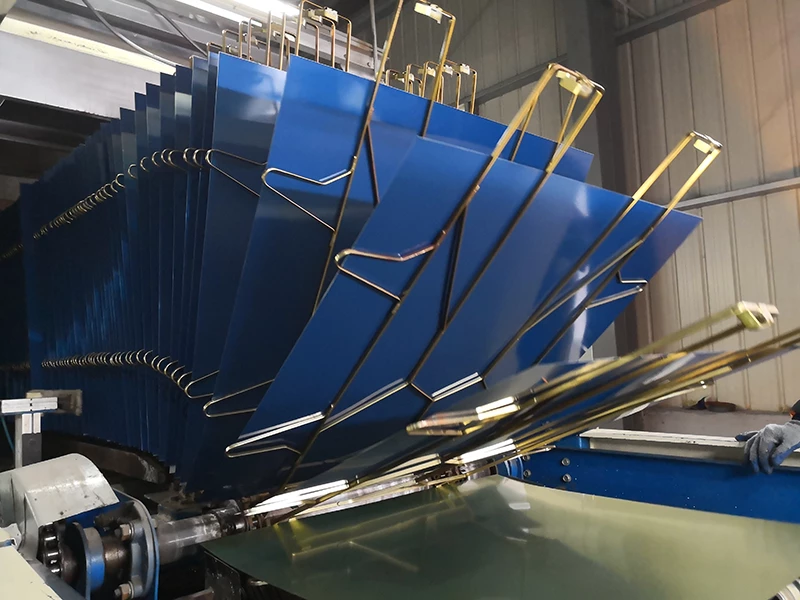
Aluminum closure sheets can be supplied with a mill finish, a degreased surface, a pre-applied coating, or a printed design. The right option depends on where coating and printing take place in your production process, how the cap is formed, and the finish required for the finished closure.
Mill Finish and Degreased Surface
Mill-finish sheet is an option for manufacturers that handle surface preparation and coating in-house. Where residual rolling oil could affect lacquer or ink adhesion, specify a degreased surface and agree on cleanliness requirements before ordering. For pharmaceutical closures, match the material and surface condition to the vial-seal design; see our guide to aluminum sheet and strip for vial seals.
Pre-Coated Aluminum Sheet
Pre-coated sheet reduces the coating work needed on the cap production line. Internal and external coatings serve different purposes, so specify each side separately, including compatibility with the intended contents and subsequent processing. When choosing aluminum for ROPP caps, check that the coating remains adherent through drawing and later cap-forming operations without cracking or peeling.
Printed Aluminum Closure Sheet
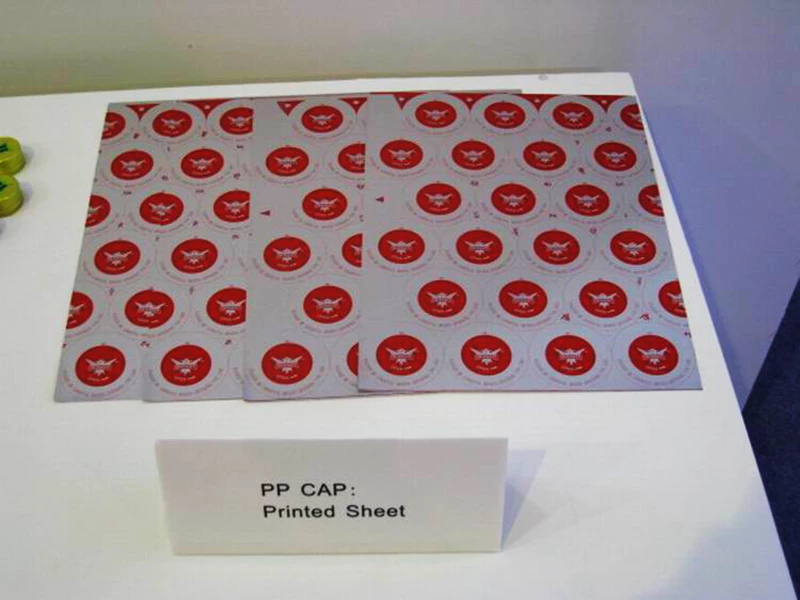
Printed sheet carries brand colors, logos, and artwork before the blanks are formed into caps. Artwork placement must account for the blank layout and distortion during forming—not just how the flat sheet looks. For wine screw cap materials, review color consistency, print registration, and scuff resistance using formed samples before approving a production run.
Flatness and Edge Quality Control for Aluminum Closure Sheets
Sheet Flatness
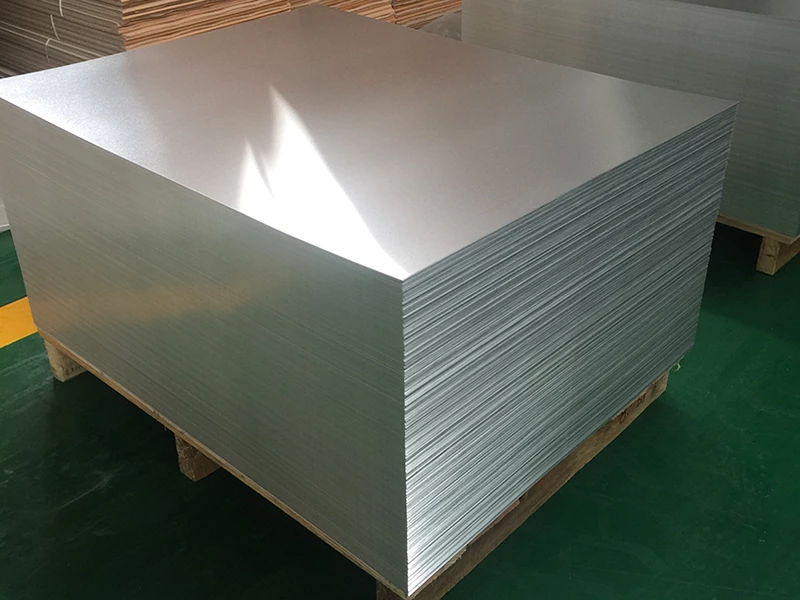
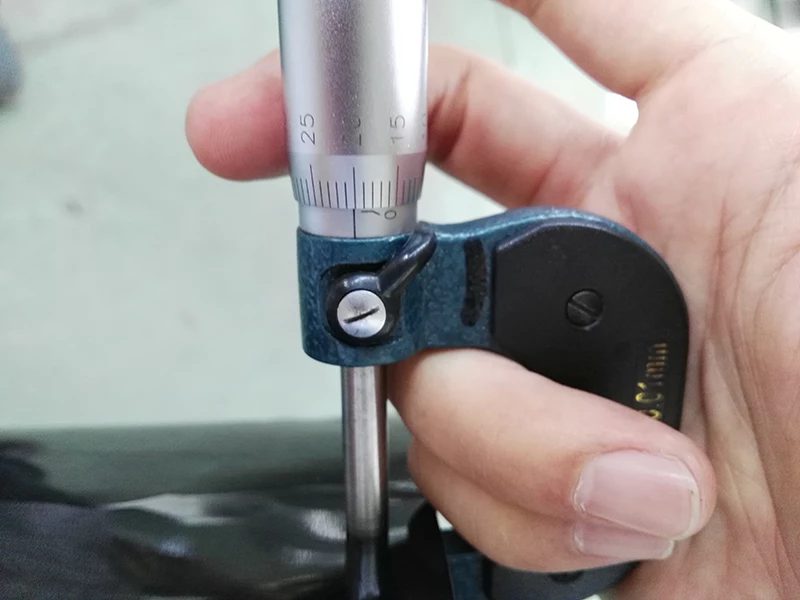
At Haomei Aluminum, we check closure sheets for bow, edge waves, and local unevenness. Flatness is important for consistent sheet feeding and positioning during coating, printing, and cap stamping.
Our flatness checks follow the agreed order requirements, taking sheet thickness and dimensions into account. Sheets outside the specified limits are held for review before packing.
Edge Quality
We inspect cut edges for burrs, cracks, and handling damage, along with sheet dimensions and squareness. These checks help identify defects that could disrupt feeding or require additional trimming before closure production.
Before packing, we also check for bent corners and damaged edges. Edge protection helps preserve the inspected condition during storage and transport.
Export Packaging for Aluminum Closure Sheets
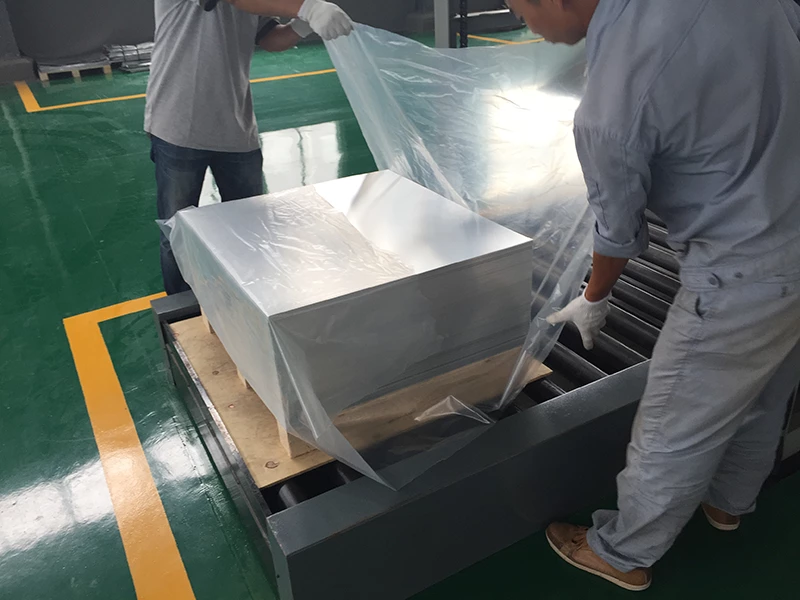
At Haomei Aluminum, we arrange export packaging for aluminum closure sheets according to the sheet dimensions, surface finish and delivery requirements. Our packing priorities are to limit movement within the stack, protect exposed edges and reduce moisture exposure during transport and storage. We confirm the packing details with customers before shipment.
- Sheet separation: We use interleaving paper or an agreed protective material to reduce rubbing between sheets. For coated or lacquered sheets, we confirm the separator requirements for the supplied finish.
- Edge and corner protection: We fit suitable protection around the stack to help prevent handling damage and keep strapping from pressing directly against sheet edges. The load is secured to limit shifting during transit.
- Moisture protection: We select export wrapping based on the shipping route and expected storage conditions. Any additional moisture-control requirements for sea freight or extended storage are agreed before packing.
- Pallet configuration: We agree on pallet dimensions, stack height, and net and gross weight with each customer. Lifting access is also considered so the pallets can be handled with the equipment available at the receiving site.
- Pallet labels and traceability: Our pallet labels carry the agreed alloy, temper, sheet dimensions, quantity or weight, order reference and batch details. These details are matched to the packing list to support receiving checks and material traceability.
When ordering aluminum closure sheets from Haomei Aluminum, please let us know your unloading method, pallet weight limits and any special surface protection requirements. We can then confirm the packing arrangement as part of your order specification.
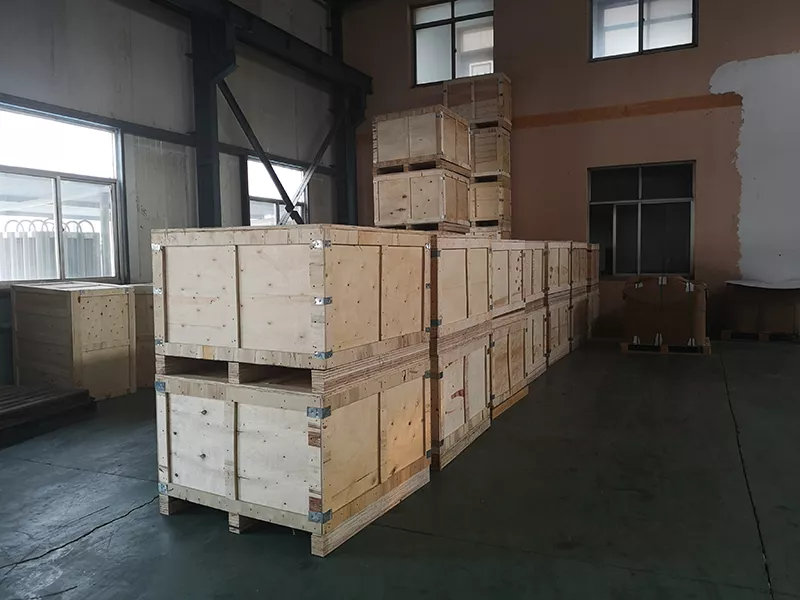
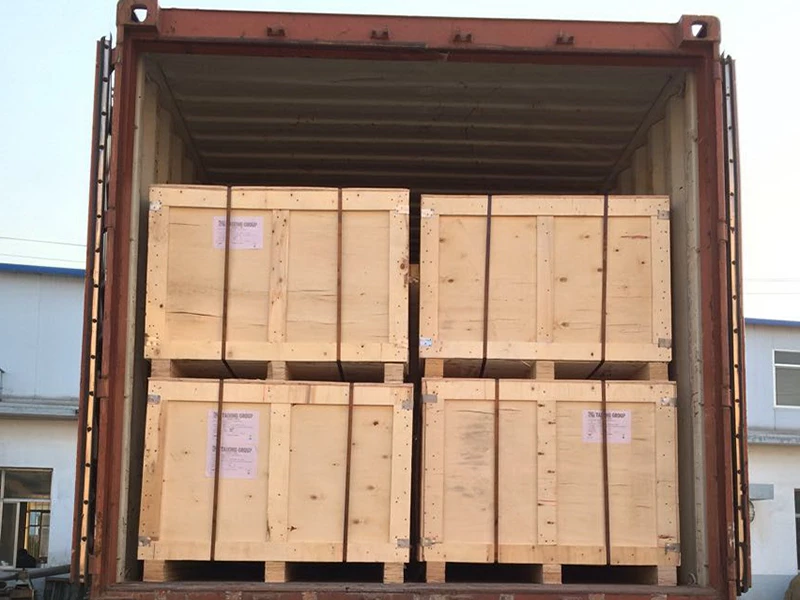
Haomei Aluminum supplies aluminum closure sheets with export packaging arranged according to product dimensions and shipping requirements. Plywood crates and appropriate cargo securing help protect the sheets during handling, storage and international transportation. Specific packaging arrangements can be confirmed when placing an order.
FAQ – Aluminum Closure Sheets
What are aluminum closure sheets?
Aluminum closure sheets are flat-rolled aluminum materials supplied for conversion into bottle caps, closures, seals and other packaging components. Depending on the application, they can be formed, coated, printed or otherwise processed by the customer.
What is the typical thickness of aluminum sheet for bottle caps?
A broad indicative thickness range is 0.15–0.50 mm. The appropriate gauge depends on the closure design, alloy, temper, dimensions and forming requirements. Some applications may require material outside this range, so the finished component drawing should be used to confirm the order specifications.
Which alloy is suitable for aluminum bottle-cap sheets?
8011 and 3105 are common starting points for selected bottle-cap and screw-cap applications. 3003 may be suitable for other formed closures, while 5052 and 5182 are used in selected higher-strength packaging components. The final alloy selection should be confirmed against the closure drawing and processing conditions.
Should I buy cut-to-length sheets or aluminum coils?
Cut-to-length sheets are suitable for production processes requiring defined flat blanks, sheet handling or sheet-fed stamping. Aluminum coils are generally preferred for continuous feeding, slitting and coil-fed stamping. Consider material yield, handling requirements, surface finish and production equipment when choosing the supply form.
Can aluminum closure sheets be supplied with coating or printing?
Coated or printed aluminum closure sheets can be discussed according to the required finish and available processing options. Before ordering, confirm the coating system, color, treated side, artwork, print tolerances, curing conditions and compatibility with subsequent forming operations.
What information is needed to quote cut-to-length aluminum closure sheets?
Please provide the alloy, temper, thickness, width, length, quantity, surface finish, coating or printing requirements, dimensional tolerances and packaging details. A part drawing or detailed specification is also helpful when flatness, squareness, earing or forming performance is critical.