
3003 Aluminum Plate and Sheet
3003 aluminum alloy sheet is one of the most widely used corrosion-resistant aluminum materials in industrial applications, known for its stable overall performance and broad applicability. As a typical 3xxx series aluminum-manganese alloy, 3003 aluminum sheet achieves an approximately 20% increase in strength compared with 1100 series pure aluminum by adding manganese to commercially pure aluminum, without significantly sacrificing corrosion resistance. This results in an ideal balance between performance and cost.
- Excellent corrosion resistance
- High workability and formability
- Moderate strength and lightweight performance
- Precision cut-to-size processing available
- Global export-grade protective packaging
Haomei Aluminum supplies 3003 aluminum sheet metal in multiple tempers, thicknesses, widths, standard sizes, and cut-to-size formats for HVAC fabrication, fuel tanks, trailer panels, roofing, cookware, chemical equipment, and general sheet metal processing.
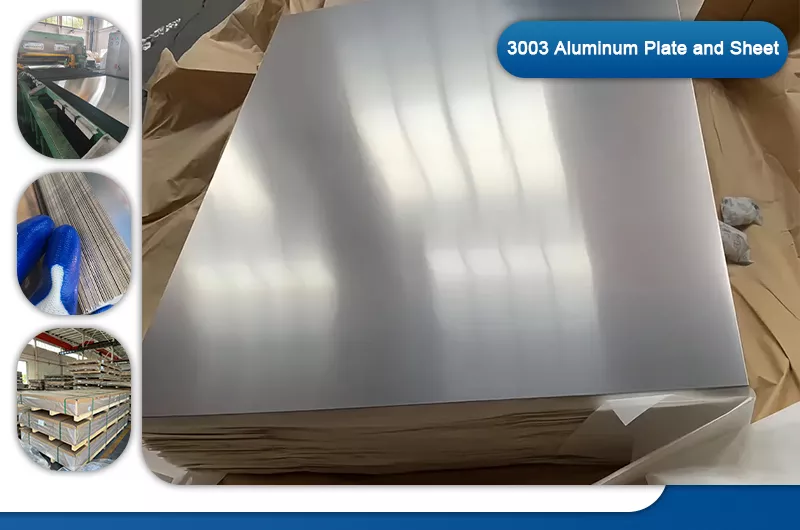
3003 aluminum alloy cannot be strengthened through heat treatment and mainly relies on cold working tempers (such as H14 and H24) to obtain the required strength. Among them, 3003-H14 aluminum sheet is the most common supply condition on the market, offering moderate hardness, good flatness, and excellent formability. It is particularly suitable for conventional sheet metal processing operations such as stamping, bending, and drawing. At the same time, this alloy provides outstanding corrosion resistance and weldability, allowing it to maintain long-term stable performance even in humid environments or mildly corrosive conditions.
For applications that require higher strength than 1xxx series pure aluminum but do not justify the higher cost of 5xxx or 6xxx series alloys, 3003 aluminum alloy sheet—especially 3003-H14—is undoubtedly a mature, reliable, and highly cost-effective solution.
3003 Aluminum Sheet | Cut to Size
Haomei Aluminum supplies 3003 aluminum sheet cut to size to help customers reduce trimming work, material waste, and processing time. Standard sheets are available in 4 x 8 ft, 4 x 10 ft, 1000 x 2000 mm, 1220 x 2440 mm, 1250 x 2500 mm, and customized dimensions.
| Item | Specification Description |
| Alloy | 3003 (Al-Mn Series) |
| Thickness Range | 0.032″ – 0.125″ |
| Temper | O, H14, H18, H22, H24 |
| Applicable Standards | ASTM B209; AMS QQ-A-250/2 |
| Surface Finish | Smooth and bright surface; optional PVC protective coating available |
For deep drawing, spinning, bending, or complex forming, 3003-O aluminum sheet is usually preferred. For general fabrication, truck bodies, roofing, signage, and HVAC parts, 3003 H14 aluminum sheet is the most commonly requested temper.
3003 Aluminum Sheet Plate Temper Options
3003 aluminum plate is available in several temper conditions to satisfy different fabrication requirements. The mechanical properties of each temper are achieved through controlled cold rolling and annealing processes, allowing manufacturers to balance strength, ductility and forming performance for specific applications.
The most commonly supplied tempers include O, H14, H16, H18, H22 and H24. Choosing the right temper depends on whether the project requires deep drawing, bending, stamping, structural rigidity or improved surface stability.
3003 O Temper (Annealed)
The O temper is fully annealed and offers the highest ductility among all 3003 tempers. Its excellent formability makes it the preferred choice for deep drawing, spinning, bending and other complex fabrication processes.
- Condition: Fully annealed (soft)
- Strength: Lowest
- Formability: Excellent
- Typical Uses: Cookware, battery cases, lighting components, pressure vessels, signage and deep-drawn parts.
3003 H14 Temper
H14 is the most widely used temper for 3003 aluminum plate. It provides an excellent balance between mechanical strength and forming capability, making it suitable for general fabrication and architectural applications.
- Condition: Half-hard, strain hardened
- Strength: Medium
- Formability: Good
- Typical Uses: Roofing panels, wall cladding, storage tanks, HVAC equipment and general sheet metal fabrication.
3003 H18 Temper
H18 is the full-hard condition achieved through maximum cold working. It offers the highest strength of the common tempers but reduced ductility, making it suitable for components requiring excellent rigidity with minimal forming.
- Condition: Full-hard
- Strength: Highest
- Formability: Limited
- Typical Uses: Flat panels, appliance parts, industrial covers and products requiring improved stiffness.
3003 H22 / H24 Temper
H22 and H24 tempers are produced by strain hardening followed by partial annealing. They provide a practical balance of strength, flexibility and dimensional stability, making them suitable for products requiring both forming and service performance.
- Condition: Strain hardened and partially annealed
- Strength: Medium to high
- Formability: Better than H18
- Typical Uses: Packaging materials, rainwater systems, architectural panels, roofing sheets and decorative products.
Quick Comparison of 3003 Aluminum Plate Tempers
| Temper | Processing Condition | Strength | Recommended Applications |
| O | Fully Annealed | Low | Deep drawing, cookware, lighting, battery housings |
| H14 | Half-Hard | Medium | Roofing, tanks, architectural panels, HVAC |
| H16 | Three-Quarter Hard | Medium-High | Industrial fabrication, transportation equipment |
| H18 | Full-Hard | High | Flat components, appliance panels, industrial products |
| H22 / H24 | Partially Annealed | Medium | Packaging, roofing, drainage systems, decorative panels |
Haomei Aluminum supplies 3003 aluminum plate and sheet in multiple tempers, thicknesses and custom sizes. If you are unsure which temper best matches your manufacturing process, our engineers can recommend the most suitable material based on your forming method, strength requirement and end-use application.
Haomei 3003 Aluminum Sheet Popular Thicknesses
-
0.025" 3003 Aluminum Sheet
-
0.032" 3003 Aluminum Sheet
-
0.04" 3003 Aluminum Sheet
-
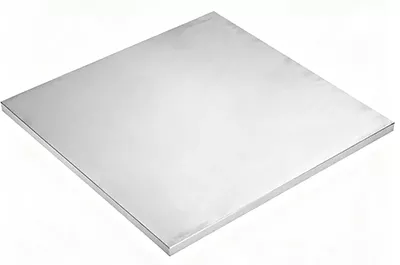
0.05" 3003 Aluminum Sheet
-
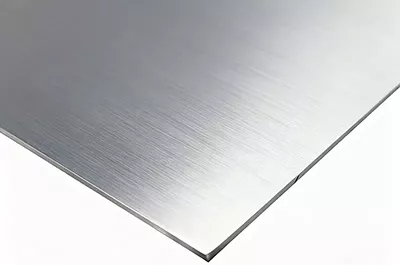
0.063" 3003 Aluminum Sheet
-
0.08" 3003 Aluminum Sheet
-
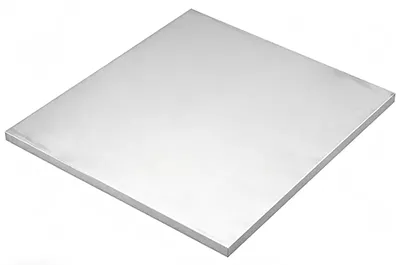
0.1" 3003 Aluminum Sheet
-
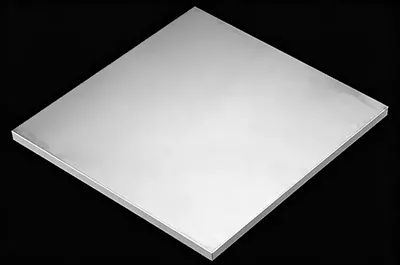
0.125" 3003 Aluminum Sheet
-
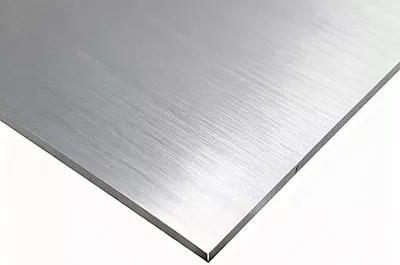
0.1875" 3003 Aluminum Sheet
-
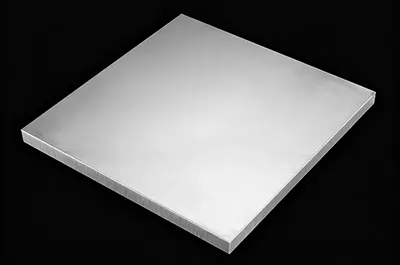
0.25" 3003 Aluminum Sheet
Haomei 3003 Aluminum Sheet Popular Sizes
-
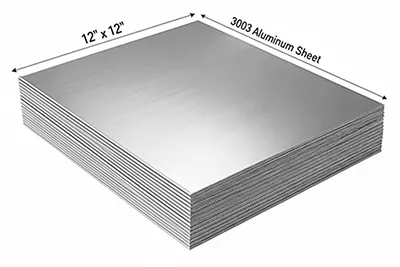
12" x 12" (1 x 1 ft.) 3003 Aluminum Sheet
-
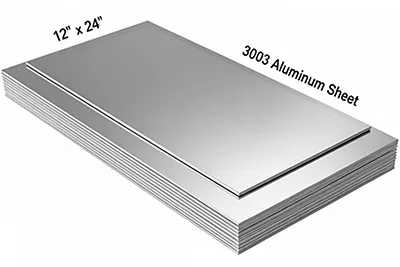
12" x 24" (1 x 2 ft.) 3003 Aluminum Sheet
-
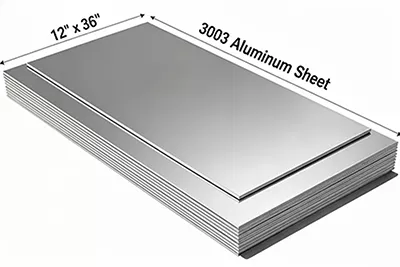
12" x 36" (1 x 3 ft.) 3003 Aluminum Sheet
-
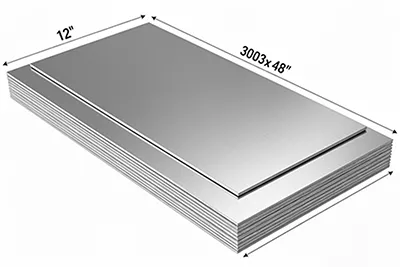
12" x 48" (1 x 4 ft.) 3003 Aluminum Sheet
-
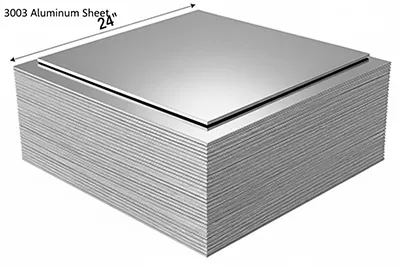
24" x 24" (2 x 2 ft.) 3003 Aluminum Sheet
-
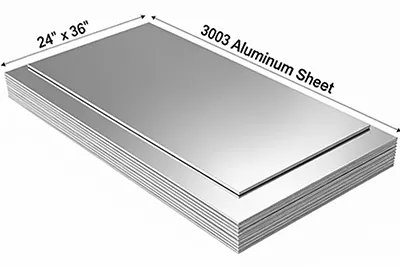
24" x 36" (2 x 3 ft.) 3003 Aluminum Sheet
-
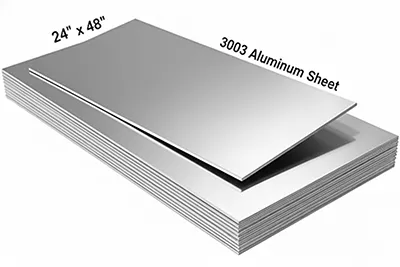
24" x 48" (2 x 4 ft.) 3003 Aluminum Sheet
-
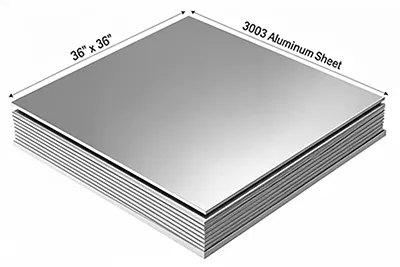
36" x 36" (3 x 3 ft.) 3003 Aluminum Sheet
-
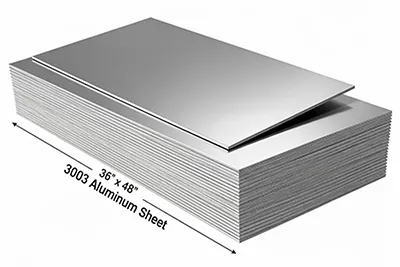
36" x 48" (3 x 4 ft.) 3003 Aluminum Sheet
-
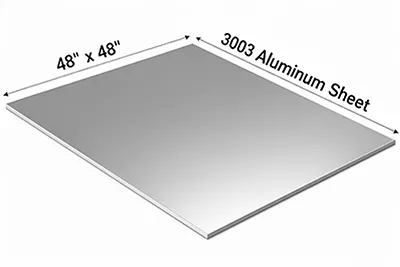
48" x 48" (4 x 4 ft.) 3003 Aluminum Sheet
-
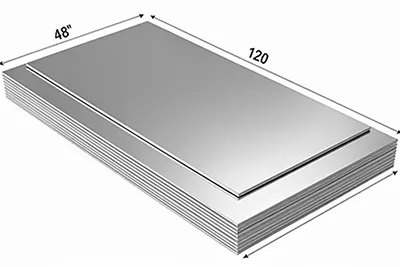
48" x 120" (4 x 10 ft.) 3003 Aluminum Sheet
-
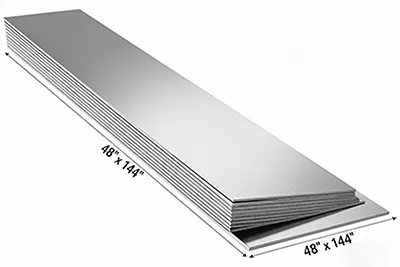
48" x 144" (4 x 12 ft.) 3003 Aluminum Sheet
3003 Aluminum Sheet: Available Surface Treatments
3003 Color-Coated Aluminum Sheet
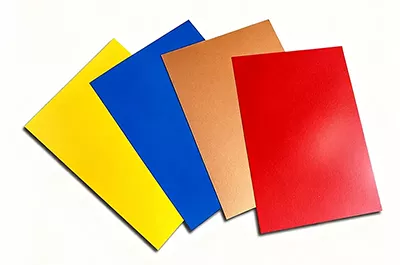
3003 color-coated aluminum sheet features a durable painted surface that enhances appearance and corrosion resistance, making it ideal for exterior cladding, roofing, and signage.
3003 Embossed Stucco Sheet
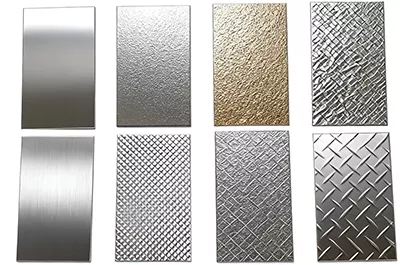
3003 embossed stucco aluminum sheet has a textured surface that improves slip resistance and durability while adding visual depth for roofing and decorative applications.
3003 Aluminum Corrugated Sheet
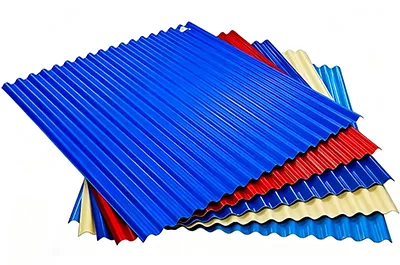
3003 corrugated aluminum sheet offers a lightweight yet rigid structure with excellent load-bearing performance, widely used for roofing, wall panels, and industrial buildings.
3003 Mirror Aluminum Sheet
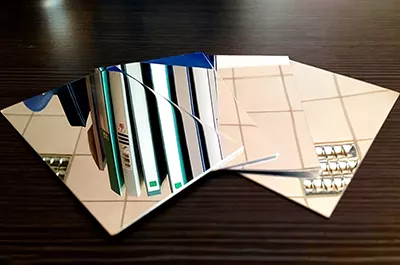
3003 mirror aluminum sheet is finely polished to achieve a high-reflectivity surface, suitable for decorative panels, signage, and interior design elements.
3003 Anodized Aluminum Sheet
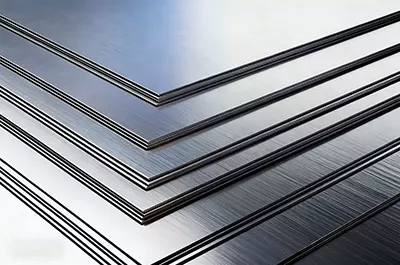
3003 anodized aluminum sheet is treated to form a hard, corrosion-resistant oxide layer, providing long-lasting performance and a stable metallic finish for architectural and industrial uses.
3003 Brushed Aluminum Sheet
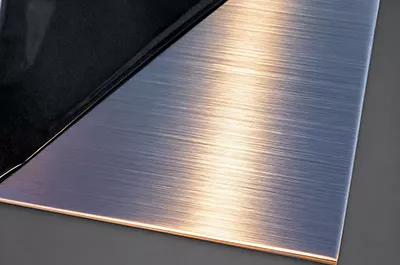
3003 brushed aluminum sheet features a uniform matte texture that delivers a modern metallic look while reducing glare and visible fingerprints.
3003 Polished Aluminum Sheet
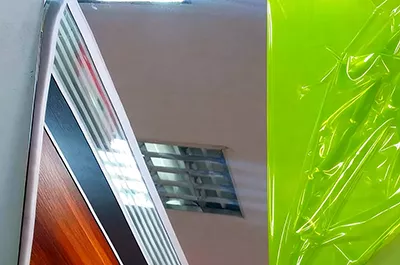
3003 polished aluminum sheet has a smooth, bright surface that enhances visual appeal, making it well suited for decorative and reflective applications.
3003 Film-Coated Aluminum Sheet
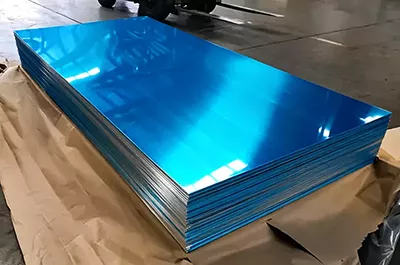
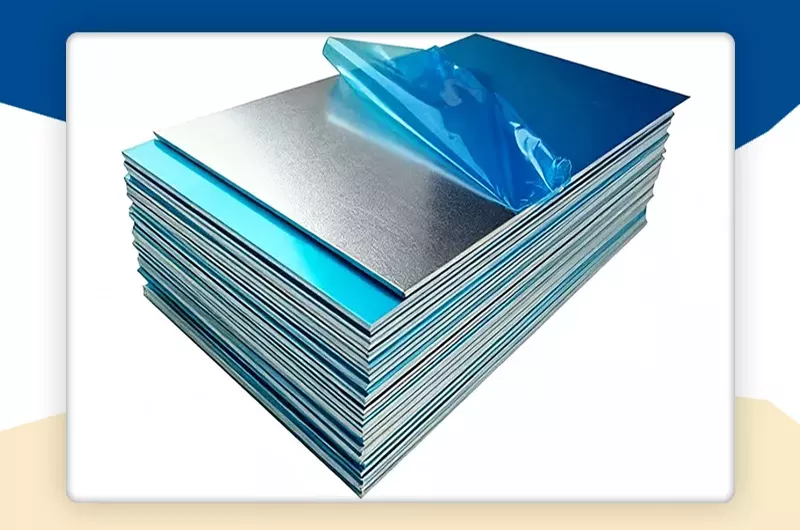
3003 film-coated aluminum sheet is protected with a surface film to prevent scratches and contamination during handling, transport, and fabrication.
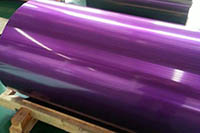
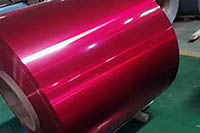
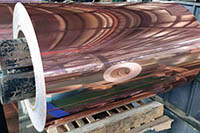
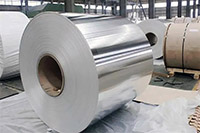
3003 Aluminum Plate Sheet Color Options

3003 Aluminum Sheet Weight Calculator
The weight of aluminum sheet is calculated using the following formula:
Weight (kg) = Length (m) × Width (m) × Thickness (mm) × 2.73 The factor 2.73 represents the approximate density of aluminum in g/cm³.
Common 3003 Aluminum Sheet Weight Reference
| Product Size | Thickness | Approx. Weight per Sheet |
| 4 x 8 ft | .040 in / 1.016 mm | 8.24 kg |
| 4 x 10 ft | .040 in / 1.016 mm | 10.30 kg |
| 4 x 8 ft | .063 in / 1.60 mm | 12.98 kg |
| 4 x 8 ft | 1.00 mm | 8.11 kg |
| 4 x 8 ft | 2.00 mm | 16.23 kg |
| 1220 x 2440 mm | 1.00 mm | 8.12 kg |
| 1220 x 2440 mm | 2.00 mm | 16.24 kg |
Actual weight may vary slightly because of thickness tolerances, sheet dimensions, surface treatment, and packaging configuration.
3003 Aluminum Sheet Properties
| Characteristic Category | Description |
| Anti-Rust Performance | 3003 aluminum sheet has extremely outstanding anti-rust performance, especially suitable for humid or corrosive environments. Its aluminum-manganese alloy composition provides good oxidation resistance, enabling the material to maintain a rust-free surface for a long time even in air or liquids containing weak acids or alkaline media. It is therefore often used in kitchen equipment, roofing materials, and curtain wall decoration fields. |
| Corrosion Resistance | 3003 aluminum sheet exhibits excellent corrosion resistance, particularly prominent under outdoor exposure and marine climate conditions. It can withstand moisture, salt spray, and other corrosive media without the need for additional protective coatings, making it an ideal choice for manufacturing refrigeration equipment, transport containers, and coastal building materials. |
| Formability | Due to its relatively low strength, 3003 aluminum sheet has excellent formability and is suitable for forming processes such as drawing, bending, spinning, and deep drawing. It has very good ductility, and cold processing at low or room temperatures does not lead to cracking or brittleness. In addition, its good weldability and ductility make it easy to connect with other materials or fabricate into various complex structures. |
| Strength | The tensile strength of 3003 aluminum sheet generally ranges from 110 to 150 MPa, classifying it as a medium-strength aluminum alloy. While it is not suitable for high-load-bearing or critical structural applications, its strength is sufficient for uses such as roofing cladding, automotive interiors, billboards, and some medium-to-light structural supports, especially in scenarios requiring weight reduction. |
| Machinability | 3003 aluminum sheet has excellent machinability, allowing precise processing with various standard cutting tools without tool sticking or work hardening problems. Its machining characteristics are suitable for stamping, sawing, milling, and other conventional processes. Combined with its good weldability, it performs ideally in mechanical manufacturing, mold making, and sheet metal processing industries. |
| Weight | 3003 aluminum sheet shares the lightweight properties typical of most aluminum alloys, with a density of about 2.73 g/cm³. This makes it an ideal lightweight material, significantly reducing the overall weight of equipment or components without sacrificing structural integrity. It is widely used in transport vehicles, aviation equipment, and mobile structures. |
| Surface Treatment | The surface of 3003 aluminum sheet is naturally smooth and can be further treated to achieve better aesthetic effects. Its surface is easy to polish and adaptable to anodizing, electrophoresis coating, painting, and other surface treatments. These processes not only enhance its decorative appearance but also improve corrosion resistance, making it highly favored in applications with high visual requirements such as interior and exterior decorative panels, ceilings, and signage. |
| Processing Performance and Coating | 3003 aluminum sheet performs excellently in both hot and cold processing, adapting to various industrial processing conditions. It is compatible with multiple surface coatings, including organic coatings, protective films, and functional coatings, further enhancing the material's appearance, aesthetics, and functionality. This makes it an important material for packaging containers, decorative panels, and industrial components. |
| Weldability | 3003 aluminum sheet has good weldability and can be welded using common methods such as gas welding, resistance welding, and MIG or TIG welding. The welding process is stable, and the welds are of high quality. It is suitable for manufacturing piping systems, food processing equipment, and containers requiring airtightness and liquid-tightness. |
| Anodizing Properties | Although 3003 aluminum sheet may exhibit slight discoloration during the anodizing process, it still maintains good decorative effects overall. It adapts well to organic coatings and mechanical polishing treatments, making it widely used in applications requiring both corrosion protection and aesthetics, such as decorative panels and electronic device housings. Despite the availability of various welding methods, torch welding is still recommended for some fine welding applications. |
In-Stock Haomei 3003 Aluminum Plates and Sheets
3003 Aluminum Plate Chemical Composition
| Element | Composition % | |
| Al | Remainder | |
| Cu | 0.05-0.20 | |
| Si | 0.60 max | |
| Fe | 0.70 max | |
| Mn | 1.0-1.5 | |
| Zn | 0.10 max | |
| Others | 0.05 each | 0.15 total |
3003 Aluminum Plate Physical Properties
| Infomations | 3003-O | 3003-H14 | 3003-H22 |
| Shear Strength | 75MPa | 96MPa | 81MPa |
| Tensile Strength | 40-110MPa | 130-160MPa | 94-140MPa |
| Elastic Modulus | 70GPa | 70GPa | 70GPa |
| Hardness Brinell | 28HB | 42HB | 37HB |
| Elongation | 28% | 8% | 8% |
More Information about 3003 Aluminum Plates
- Hardness Brinell: 40
- Poissons Ratio: 0.33
- Modulus of Elasticity: 10, 000 ksi
- Shear Modulus: 3, 630 ksi
- Shear Strength: 14, 000 psi
- Melting Point: 1, 190-1, 210 F
- Density: 0.1 lb/in3
- Ultimate Tensile Strength: 22, 000 psi
- Yield Tensile Strength: 21, 000 psi
- Fatigue Strength: 9, 000 psi
3003 Aluminum Plate Applications
For applications requiring deep drawing, bending, welding, brazing or decorative surface treatment, 3003 aluminum plate is commonly supplied in O, H14 and H24 tempers. The most suitable temper, thickness and surface finish should be selected according to the final forming method, service environment and strength requirements.
Transportation and Automotive Applications
Automotive Fuel Tanks and Formed Parts
- Recommended tempers: 3003 O, H14
- Typical thickness: 0.8–2.5 mm
- Key advantages: Good deep-drawing performance, corrosion resistance and welding properties.
3003 O temper is suitable for deep-drawn components with complex shapes, while H14 provides a practical balance between forming performance and mechanical strength.
New Energy Vehicle Battery Systems
Suitable for battery enclosures, internal partitions and liquid-cooling plate substrates.
- Recommended tempers: 3003 H14, H24
- Battery enclosure thickness: 0.8–2.0 mm
- Cooling plate thickness: 0.5–1.2 mm
- Available surfaces: Mill finish, cleaned/degreased surface, or brazing-clad material.
For brazed cooling systems, 3003 aluminum brazing sheet with 4343 or 4045 cladding can be selected to support reliable brazing performance and efficient heat transfer.
Radiators and Heat Exchangers
- Recommended tempers: 3003 H14, O
- Typical thickness: 0.2–1.0 mm
- Key advantages: Good thermal conductivity, bendability, weldability and brazing compatibility.
3003 alloy is frequently used as a core alloy in automotive and industrial heat-exchanger structures. See our aluminum heat exchanger materials for clad and non-clad options.
Building and Architectural Decoration
Roofing, Wall Panels and Curtain Walls
- Recommended tempers: 3003 H14, H24
- Typical thickness: 0.6–3.0 mm
- Surface options: Mill finish, PE coating, PVDF coating, brushed or embossed finish.
3003 H24 aluminum plate offers good rigidity and weather resistance for exterior cladding applications. Wide sheets up to 2650 mm can be supplied for selected architectural projects.
Gutters and Downspouts
- Recommended temper: 3003 H14
- Typical thickness: 0.6–1.2 mm
- Surface options: Coated, painted or anodized.
The alloy is easy to bend and roll-form, while its corrosion resistance makes it suitable for long-term outdoor exposure.
Ceilings and Interior Decorative Panels
- Recommended temper: 3003 H24
- Typical thickness: 0.4–1.0 mm
- Surface options: Powder coating, film lamination, brushing and embossing.
H24 temper offers improved stiffness and deformation resistance, making it suitable for suspended ceilings, decorative wall panels and interior finishing systems.
Household and Industrial Applications
Cookware and Kitchen Utensils
- Recommended temper: 3003 O
- Typical thickness: 1.0–4.0 mm
- Key advantages: Excellent deep drawing, spinning and forming performance.
3003 aluminum plate is widely used for cookware bodies, pots, pans and food-contact utensils. For cookware-specific material requirements, visit aluminum circles for cookware.
Home Appliance Panels
Commonly used for refrigerator panels, washing machine panels, appliance housings and decorative covers.
- Recommended tempers: 3003 H14, H24
- Typical thickness: 0.6–1.2 mm
- Surface options: Brushed, coated, painted or film-laminated.
The material combines stable processing properties with a clean surface appearance for coated and decorative applications.
Industrial Piping and Chemical Equipment
- Recommended temper: 3003 H14
- Typical thickness: 1.0–6.0 mm
- Key advantages: Good atmospheric corrosion resistance and stable welding performance.
3003 plate can be used for non-pressure-bearing tanks, ducting, storage equipment and fabricated chemical-processing components. For pressure vessels, material selection and fabrication must comply with applicable engineering codes and project specifications.
Packaging, Containers and Storage Equipment
Food Containers and Packaging Trays
- Recommended tempers: 3003 O, H14
- Typical thickness: 0.2–0.8 mm
- Key advantages: Easy forming, corrosion resistance and good resistance to cracking during processing.
3003 aluminum can be processed into food trays, lids and formed packaging components where drawing and stamping performance are required.
Storage Tanks and Medium-/Low-Pressure Equipment
- Recommended tempers: 3003 H14, H24
- Typical thickness: 2.0–8.0 mm
- Key advantages: Better strength than annealed material while maintaining good fabrication and welding properties.
Suitable for selected storage and process equipment applications. Final alloy, temper and thickness should be confirmed by the equipment designer based on pressure, medium, welding process and relevant standards.
Electronics, Signage and Functional Panels
Electronic Heat Sinks and Equipment Housings
- Recommended temper: 3003 H14
- Typical thickness: 0.5–2.0 mm
- Key advantages: Good heat-transfer performance and easy fabrication into stamped, bent or welded structures.
For applications requiring higher thermal conductivity, please review our thermal conductive aluminum sheet options.
Signboards, Nameplates and Decorative Panels
- Recommended temper: 3003 H24
- Typical thickness: 0.5–3.0 mm
- Surface options: Anodized, painted, screen-printed, brushed or coated.
3003 H24 provides good flatness and rigidity for signage, display panels and decorative sheet-metal products.
Typical 3003 Aluminum Plate Products
| Product Type | Main Features | Typical Applications |
| 3003 Checker Aluminum Plate | Raised anti-slip pattern, good corrosion resistance and practical strength. | Stairs, walkways, platforms, vehicle floors and workshop flooring. |
| 3003 Hot-Rolled Aluminum Plate | Good plasticity, stable processing performance and suitability for fabrication. | General fabricated parts, welded components, tanks and construction products. |
| 3003 Aluminum Honeycomb Panel | Lightweight panel structure with good stiffness and flatness. | Transportation interiors, partitions, architectural cladding and decorative panels. |
| 3003 Anti-Rust Aluminum Plate | Manganese-containing alloy with good resistance to atmospheric corrosion. | Storage equipment, building products, transport components and humid environments. |
| 3003 + 4343 Battery Cooling Plate | 3003 core alloy with brazing cladding for thermal-management systems. | EV battery liquid-cooling plates and automotive thermal-management components. |
| 3003 + 4045 Aluminum Brazing Sheet | Clad brazing material designed for controlled brazing processes. | Heat exchangers, radiators and cooling-system components. |
| 3003 Aluminum Plate for Cookware | Good spinning, deep drawing and heat distribution properties. | Non-stick pans, pots, kitchen utensils and cookware bodies. |
| 3003 Aluminum Plate for Battery Enclosures | Good formability, corrosion resistance and compatibility with fabrication processes. | New energy vehicle battery covers, housings and internal structural parts. |
| 3003 Aluminum Plate for Building Decoration | Weather-resistant, formable and available with painted or decorative surfaces. | Roofing, wall cladding, ceilings, curtain walls and interior decoration. |
| 3003 Ultra-Wide Aluminum Plate | Wide-format sheet for reducing joints in panel fabrication. | Large curtain-wall panels, transportation panels and architectural cladding. |
Need help selecting the right 3003 aluminum plate temper and specification? Please refer to our 3003 aluminum plate product page or contact our technical sales team with your application, required thickness, temper, dimensions and surface-treatment requirements.
3003 Aluminum Sheet Price: What Affects the Cost?
The 3003 aluminum sheet price changes with aluminum ingot prices, exchange rates, alloy processing cost, thickness, temper, sheet dimensions, surface treatment, order quantity, and export freight.
Key pricing factors include:
- Sheet thickness — thinner gauges often require additional rolling and processing
- Temper — 3003-O and 3003-H14 may have different processing costs
- Sheet size — standard sizes generally reduce cutting loss
- Surface finish — brushed, embossed, coated, and film-laminated sheets cost more than mill finish
- Order quantity — container-scale orders usually offer better unit pricing
- Packing and destination port — export packaging and ocean freight affect landed cost
To receive an accurate quotation for 3003 aluminum sheet for sale, please send the following information:
- Alloy and temper: such as 3003-H14
- Thickness, width, and length
- Required quantity
- Surface finish and protective film requirement
- Destination port or delivery address
- Application and quality standard
Request a quote through our aluminum sheet inquiry page.
3003 Aluminum Sheet Processing and Treatment
- Formability: Excellent cold working properties (bending, stamping, spinning).
- Weldability: Suitable for gas welding, arc welding, and resistance welding.
- Machinability: Fair, but due to the softness in O temper, sharp tools are required.
3003 Aluminum Sheet Core Advantages
- Corrosion Resistance: Comparable to commercially pure aluminum, suitable for humid and chemical environments.
- Good balance of strength and weight.
- Relatively low cost compared to high-strength alloys.
Workability:
- Excellent formability, suitable for deep drawing and stamping processes.
- Good welding performance, but poor cutting performance.
- Not heat-treatable: Strength is enhanced through cold working (e.g., rolling, stretching).
3003 Aluminum Sheet Standards and Equivalent Standards
- Primary Standards: ASTM B209, ASME SB209, AMS 4008.
- Equivalent Alloys: EN AW-3003, UNS A93003, DIN 3.0517.
- Thickness Differences: Thin sheet thickness ≤ 6 mm, while thick sheet thickness exceeds 6 mm.
- Cost-effectiveness: Initial cost is relatively high, but due to durability, lifetime cost is low.
- Comparison: Higher strength than 1100 series, but lower than 5052 or 6061 alloys. Better formability than 5052, better corrosion resistance than 6061.
Why Source 3003 Aluminum Sheet from Haomei Aluminum?
Our service scope includes:
- 3003 aluminum sheet, coil, strip, and plate supply
- Standard and custom cut-to-size sheets
- 3003-O, H12, H14, H16, and H18 tempers
- Mill finish, embossed, brushed, coated, and protective-film surfaces
- Material test certificates and export documentation
- Seaworthy export packing for container and LCL shipments
- Technical support for alloy, temper, thickness, and sheet-size selection
Request a 3003 Aluminum Sheet Quote
If you need 3003 aluminum sheet metal, 3003 H14 aluminum sheet, .040 aluminum sheet 4 x 8, .040 aluminum sheet 4x10, 3003 aluminum sheet .063, or 18 gauge aluminum sheet, contact Haomei Aluminum with your required specification and destination port.
Contact Haomei Aluminum5052 vs 3003 Aluminum Sheet
Choose 3003 aluminum sheet when your project needs cost efficiency, easy forming, general corrosion resistance, and moderate strength.
Choose 5052 aluminum sheet when higher strength, superior marine corrosion resistance, or better performance in demanding environments is required.
| Comparison Item | 3003 Aluminum Sheet | 5052 Aluminum Sheet |
| Main alloying element | Manganese | Magnesium |
| Strength | Moderate | Higher than 3003 |
| Formability | Excellent | Good to excellent |
| Corrosion resistance | Excellent in general environments | Excellent, especially in marine environments |
| Weldability | Good | Excellent |
| Cost | Usually more economical | Usually higher |
| Typical uses | HVAC, roofing, cookware, trailers, tanks | Marine parts, fuel tanks, truck bodies, pressure-related fabricated parts |
Welding and Joining of 3003 Aluminum Sheet
Methods:
Tungsten Inert Gas (TIG) welding and Metal Inert Gas (MIG) welding are preferred. Proper welding techniques can minimize porosity.
Laser welding: Suitable for high-speed and precision applications (such as battery modules). Proper parameter settings are required, such as 1500 W power and -1 mm defocus.
Filler materials:
- 1100 aluminum is used for welding 3003 alloy to itself.
- 4043 (Al-Si) alloy is used for joining with other alloys (such as 5052 and 6061).
Notes: In strain-hardened tempers (such as H14), the strength of the heat-affected zone (HAZ) may decrease slightly.
FAQ – 3003 Aluminum Sheet
Is 3003 aluminum sheet stronger than 1100 aluminum?
Yes. The manganese content in 3003 aluminum makes it stronger than 1100 aluminum while maintaining very good formability and corrosion resistance.
Can 3003 aluminum sheet be welded?
Yes. 3003 aluminum sheet has good weldability and is widely used in fabricated sheet metal parts, tanks, ducts, and general industrial products.
What is the most common temper of 3003 aluminum sheet?
3003-H14 is the most common temper for general fabrication because it provides a practical balance of strength, corrosion resistance, and workability.
Can Haomei Aluminum provide .040 aluminum sheet 4x8 and 4x10?
Yes. Haomei Aluminum can supply .040 aluminum sheet 4 × 8, .040 aluminum sheet 4 × 10, as well as customized widths and lengths according to customer requirements.
What is 3003 aluminum used for?
3003 aluminum is widely used for applications requiring good formability, corrosion resistance, and moderate strength, such as cookware, storage tanks, roofing, wall panels, HVAC ducts, chemical equipment, and architectural components.
What is 3003 H14 aluminum used for?
3003-H14 aluminum is commonly used for applications requiring a balance of formability and moderate strength, including kitchen equipment, chemical processing equipment, roofing panels, signage, and general sheet metal fabrication.
What is the difference between 3003 and 6061 aluminum?
3003 aluminum offers better formability and corrosion resistance, making it ideal for bending and deep drawing. In contrast, 6061 aluminum provides much higher strength and machinability, making it better suited for structural and load-bearing applications.
What is the difference between 5052 and 3003 aluminum sheet?
5052 aluminum sheet has higher strength and superior corrosion resistance, especially in marine environments, making it suitable for demanding applications. 3003 aluminum sheet is easier to form and more economical, making it a popular choice for general-purpose fabrication and architectural uses.
Products you may be interested in
Further reading
- 3003 Aluminum Coil
- 3003 Aluminum Disc Circle
- 3003 Aluminum Foil
- 3003 H14 Aluminum Coil
- 3003 Aluminum Strip
Users viewing this material also viewed the following
- Aluminum Tread Plate 3003
- 3003 Embossed Aluminum Sheet
- 3003 Aluminum Diamond Plate
- 3003 Hot-rolled Aluminum Plate
- 3003 Honeycomb Aluminum
- 3003 Aluminum Plate for New Energy Automobile Lithium Battery Power Battery Shell
- 3003+4343 Power Battery Cooling Plate
- 3003 Aluminum Plate for Brazing Water Cooling Plate
- Aluminum Brazing Composite Material 3003+4045 Aluminum Plate
- 3003 Aluminum Disc for Non-stick Pan
- 3003 Aluminum Plate for Mobile Phone Battery Shell
- 3003 Corrugated Aluminum Sheet
- 3003 Aluminum Plate for Automobile Fender
- 3003 Checker Aluminum Plate for Stair Anti-slip
- 3003 Tread Aluminum Plate for Cold Storage Floor Anti-slip
- 3003 Ultra-wide Curtain Wall Aluminum Plate
- 3003 Aluminum Plate for Building Decoration
- 3003 Roof Aluminum Plate for Decoration
- 3003 Aluminum Sheet Coil for Thermal Insulation Material
- 3003 Pre-painted Aluminum Coil
Recommended Content
- What Is the Difference Between 1100 and 3003 Aluminum?
- Aluminium 3003 H14 Data Sheet
- What is 3003 aluminum used for?
- 3003 Aluminum Tubing
- 3003 Aluminum vs. 3005 Aluminum
- 3003-H18 Aluminum vs. 3005-H18 Aluminum
- What is the difference between 3003 H14 and 3105 H14?
- 3003 Aluminum vs. 3104 Aluminum
- 3003-H18 Aluminum vs. 3004-H18 Aluminum
- 3003-O Aluminum vs. 3004-O Aluminum
- What is the difference between 3003 and 3004 aluminum?
- 3003-H22 Aluminum vs. 3003-H24 Aluminum
- What is the difference between 3003 O and 3003 H14?
- What is the difference between 3003 H14 and H24?