
Electronic aluminum foil is used in components where conductivity, surface condition and consistent material quality matter. Applications include electrolytic capacitor electrodes, lithium-ion battery current collectors and shielding laminates. Each application calls for a different balance of purity, thickness, temper and surface requirements.
Haomei Aluminum supplies electronic aluminum foil in selected 1xxx-series alloys and other project-specific grades, with customized thickness, width, temper, coil dimensions and slitting.
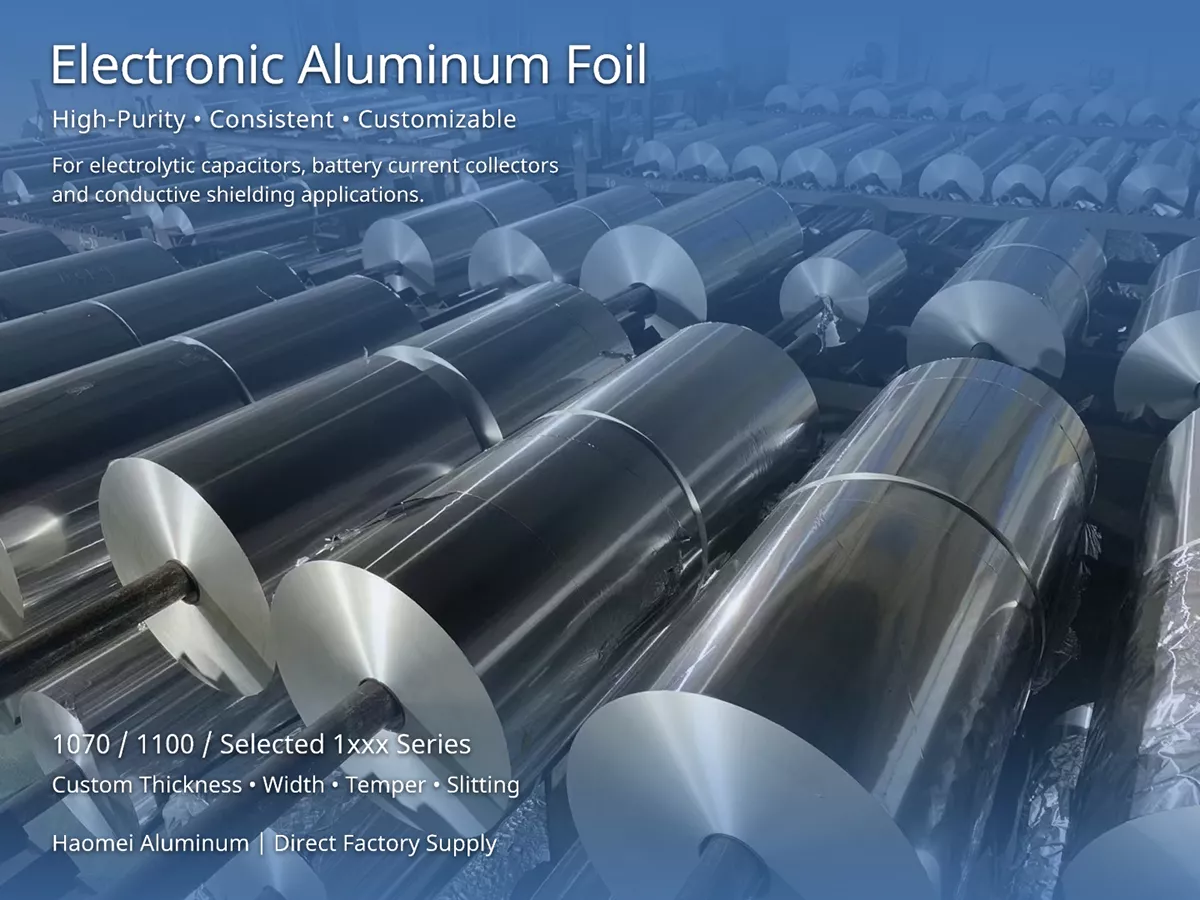
- Alloy
- 1070 / 1100 / Selected 1xxx Series
- Foil Thickness
- Approx. 0.012–0.050 mm
- Coil Form
- Jumbo Coil / Slit Coil
- Surface Condition
- Mill Finish / Cleaned
What Is Electronic Aluminum Foil?
Electronic aluminum foil is a thin, high-purity aluminum material processed for electronic and electrochemical applications where electrical conductivity, surface condition, thickness consistency, and controlled processing performance are important.
Compared with general-purpose aluminum foil, electronic aluminum foil requires tighter control of alloy composition, thickness, surface quality, and mechanical properties.
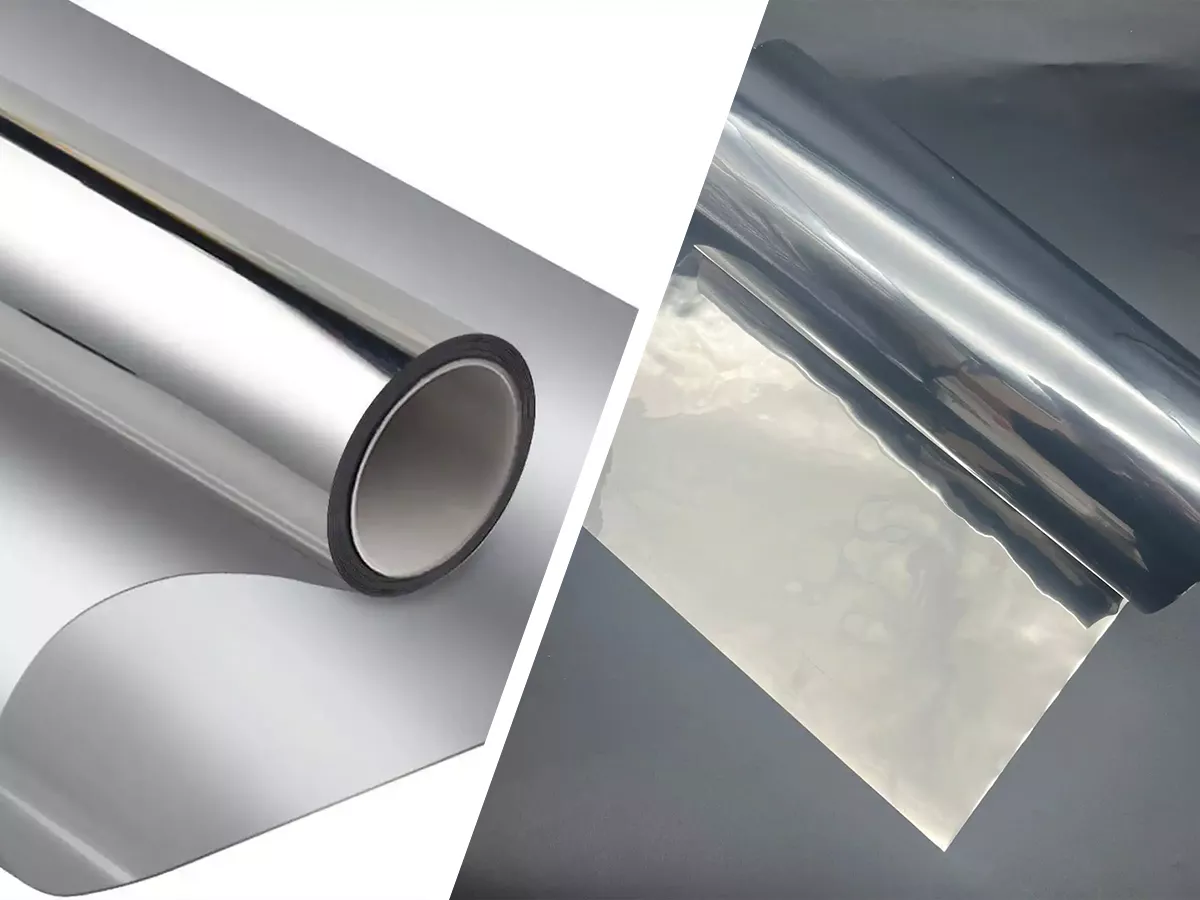
Electronic Aluminum Foil Specifications
| Parameter | Typical Specification |
| Alloy | 1070, 1100 and selected 1xxx series |
| Thickness | Approx. 0.012–0.050 mm |
| Temper | O, H18 and application-specific tempers |
| Width | Custom jumbo or slit widths |
| Surface | Mill finish, cleaned or application-specific surface |
| Form | Jumbo coil / slit coil |
| Coil ID | Custom according to processing equipment |
| Coil OD | Custom according to coil weight, width and handling requirements |
| Slit Width | Custom slit widths available |
| Packaging | Export / seaworthy packaging |
Electronic Aluminum Foil Alloys
| Aluminum Alloy | Material Characteristics | Typical Selection |
| 1070 | High aluminum content, high electrical conductivity and good ductility. The alloy can be processed into thin foil when the required rolling and surface conditions are properly controlled. | Used for selected electronic and electrical foil applications where conductivity, purity and consistent foil processing are important. |
| 1100 | Commercially pure aluminum with good electrical conductivity, corrosion resistance and formability. It offers a practical combination of processing performance and material availability. | Suitable for electronic foil applications requiring good formability and conductivity, subject to the customer's specification and downstream process. |
| 1xxx Series | High-aluminum grades are generally considered when electrical conductivity, ductility and clean foil surfaces are key material requirements. | The specific grade is selected according to foil thickness, temper, chemical composition, surface requirements and the intended electronic component. |
| Selected 3xxx Series | Manganese-containing aluminum alloys can provide higher mechanical strength than typical 1xxx-series grades while maintaining useful formability and processing characteristics. | Considered for project-specific electronic or electrical foil requirements where mechanical performance needs to be balanced with rolling and forming requirements. |
For applications that require high aluminum content and good electrical conductivity, 1070 aluminum foil can be considered when its chemical composition, foil thickness and processing requirements match the application. For applications where formability and general-purpose aluminum foil performance are also important, 1100 aluminum foil is another option. Haomei Aluminum can recommend the appropriate grade after reviewing the required thickness, temper, surface condition and downstream processing route.
Electronic Aluminum Foil Applications
Electrolytic Capacitors
Aluminum foil is used in electrolytic capacitor construction, where the electrical and surface characteristics of the material influence subsequent etching, forming and component processing.
Depending on the capacitor design, the required material may differ in alloy, thickness, surface condition and other production parameters.
Capacitor aluminum foilLithium-Ion Batteries
Aluminum foil can serve as the cathode current collector in lithium-ion battery construction. Its low weight, electrical conductivity and compatibility with coating processes make surface condition and dimensional control important.
Battery foil should be specified according to the coating process, nominal gauge, width, edge condition and downstream production requirements.
Battery aluminum foilEMI / RFI Shielding
Aluminum foil may also be incorporated into conductive or laminated structures used for electromagnetic and radio-frequency shielding. In these applications, foil gauge, surface condition, bonding compatibility and final construction all need to be considered.
The suitable foil configuration depends on whether the material will be laminated, coated, adhesive-backed or integrated into a larger shielding assembly.
Quality Control for Electronic Aluminum Foil
At Haomei Aluminum, electronic aluminum foil is inspected throughout production rather than only at the final packing stage. We control the material grade, foil dimensions, surface condition and coil quality according to the confirmed order specification and required application.
Chemical Composition
We verify the aluminum alloy composition against the specified grade before the material is released for production. Mill test and inspection records can be provided when required.
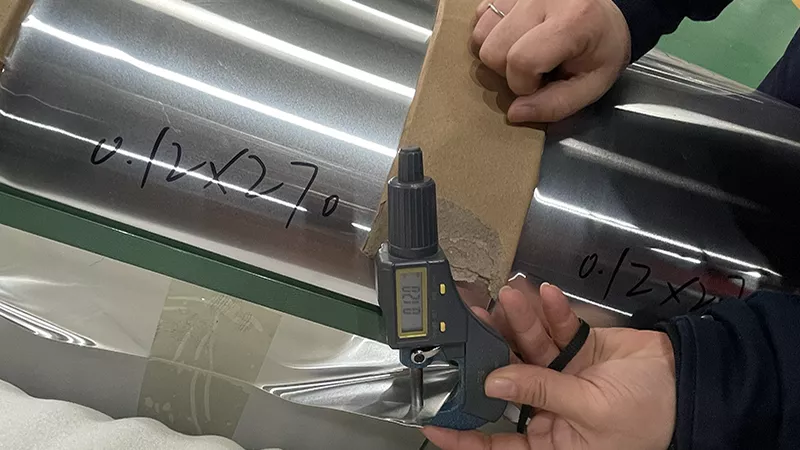
Thickness & Width
Foil thickness and width are measured during production and checked against the agreed dimensional tolerances. For thin electronic foil, stable gauge control is especially important for downstream processing.
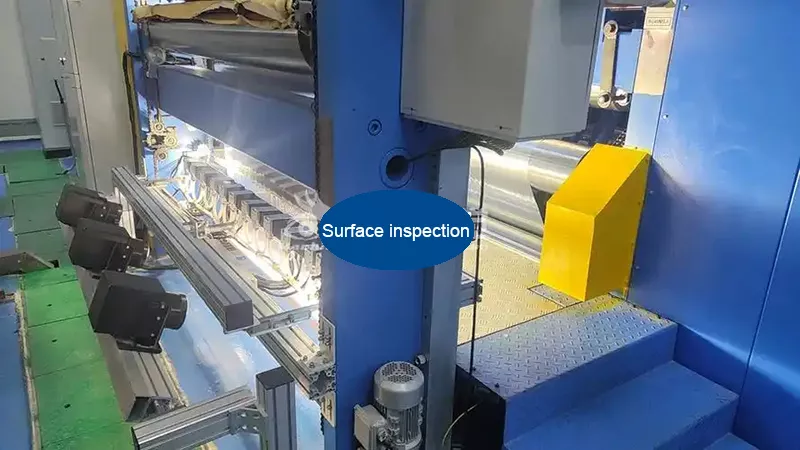
Surface Quality
Our inspection team checks the foil surface for visible marks, contamination, scratches and other conditions that may affect subsequent coating, laminating or converting processes.
Edge & Coil Quality
Before packing, we inspect slit edges, winding condition, coil alignment and handling marks. Finished rolls are prepared according to the agreed packing and shipment requirements.
Electronic Aluminum Foil Manufacturing Process
- Raw Material Preparation We select aluminum material according to the confirmed alloy, temper, thickness range and application requirements.
- Alloy Verification Before rolling, the material grade and production route are checked against the order specification and applicable material requirements.
- Rolling Aluminum coil is rolled through controlled passes to gradually reach the required foil thickness, width and surface condition.
- Annealing Where required by the specified temper, controlled annealing is used to achieve the required material condition and processing characteristics.
- Final Rolling The final rolling stage brings the foil to the specified gauge while maintaining consistent surface and dimensional quality.
- Cleaning & Surface Preparation The foil surface is prepared according to the intended downstream application, with attention to cleanliness and surface condition.
- Slitting Jumbo coils are slit into the required finished widths, with edge condition and winding quality controlled during the process.
- Inspection & Export Packing Finished coils undergo dimensional and surface checks before being prepared for protective packing and shipment.
Electronic Aluminum Foil Packaging
- Moisture Protection: Protective packing helps keep the foil dry during ocean or inland transportation.
- Coil Protection: Suitable wrapping and outer protection reduce the risk of scratches, dents and handling damage.
- Core Support: Core and coil support are selected according to the finished roll dimensions and handling requirements.
- Export Marking: Package labels can include alloy, temper, dimensions, coil number, quantity and other agreed information.
- Shipping Preparation: Package size and weight are checked before loading to support safe handling at the destination.
For shipments, Haomei Aluminum can coordinate the packing details with the confirmed loading plan and destination requirements. If you have specific requirements for pallets, wooden cases, roll orientation, labels or moisture protection, we confirm them before production and packing.
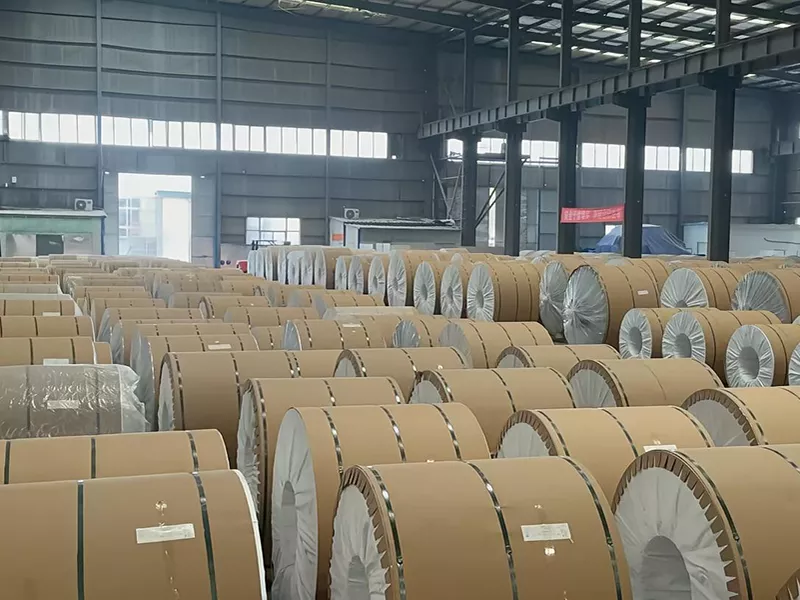
Why Choose Haomei Aluminum for Electronic Aluminum Foil?
Specification Confirmation
Before production, we confirm the alloy, temper, thickness, width, coil dimensions and intended application so the production specification is clear from the start.
Jumbo & Slit Coils
We supply electronic aluminum foil in jumbo coils or slit widths. Slitting and finished coil dimensions can be arranged according to the confirmed downstream processing requirements.
Inspection Documents
Material and inspection records can be provided with the order, including mill test certificates and other agreed quality documents where required.
Export-Ready Packing
Finished coils are packed for international shipment with protection selected according to coil size, transport conditions and the agreed loading requirements.
FAQ – Electronic Aluminum Foil
What is electronic aluminum foil used for?
Electronic aluminum foil is used where thin, conductive aluminum with controlled thickness and surface condition is required. Common applications include electrolytic capacitors, battery current collectors and conductive shielding materials.
Which aluminum alloys are used for electronic foil?
1xxx-series alloys such as 1070 and 1100 are commonly used when high aluminum content, electrical conductivity and formability are important. The suitable alloy depends on the application and downstream process.
Can electronic aluminum foil be supplied in 10–20 μm thickness?
Yes, thin gauges can be produced for selected applications. The available thickness depends on the alloy, required tolerance, surface requirements and production capability. Haomei Aluminum can review the target gauge before confirming the order.
Can Haomei Aluminum supply slit aluminum foil coils?
Yes. Electronic aluminum foil can be supplied in jumbo coils or slit coils according to the confirmed specification. Slit width, coil ID, winding condition and packing requirements should be provided with the inquiry.
What is the difference between capacitor foil and battery aluminum foil?
The two materials serve different production processes. Capacitor foil may require properties suited to etching and forming, while battery current collector foil places strong emphasis on surface cleanliness, dimensional consistency and compatibility with electrode coating.
Can electronic aluminum foil width and coil dimensions be customized?
Custom widths and coil configurations can be discussed based on production capability. For a quotation, provide the required width, coil ID, outer diameter, coil weight and slit configuration.
Is electronic aluminum foil the same as battery aluminum foil?
No. Electronic aluminum foil is a broader material category. Battery aluminum foil is used specifically as a current collector and has its own requirements for thickness, mechanical properties, surface condition and coating performance.
What thickness should I choose for electronic aluminum foil?
Thickness should be selected according to the component design and downstream process rather than a single standard range. Battery current collector foil may commonly use thin gauges around 10–20 μm, while capacitor and shielding applications can require different specifications.
What information does Haomei Aluminum need for a quotation?
Please provide the application, alloy or purity requirement, temper, thickness, width, roll configuration and order quantity. Tolerances, surface requirements and destination are also useful when confirming the production and packing specification.