
1070 Aluminum Foil
1070 aluminum foil is a high-purity 1xxx series aluminum foil with a minimum aluminum content of 99.7%. Its combination of electrical conductivity, thermal conductivity, corrosion resistance and high ductility makes it suitable for applications where material purity and consistent foil processing are important.
At Haomei Aluminum, we supply 1070 foil in application-specific thicknesses, widths and tempers. Depending on the project, we can provide mill-finish foil, coil or slit-roll formats with customized dimensions and export packaging.
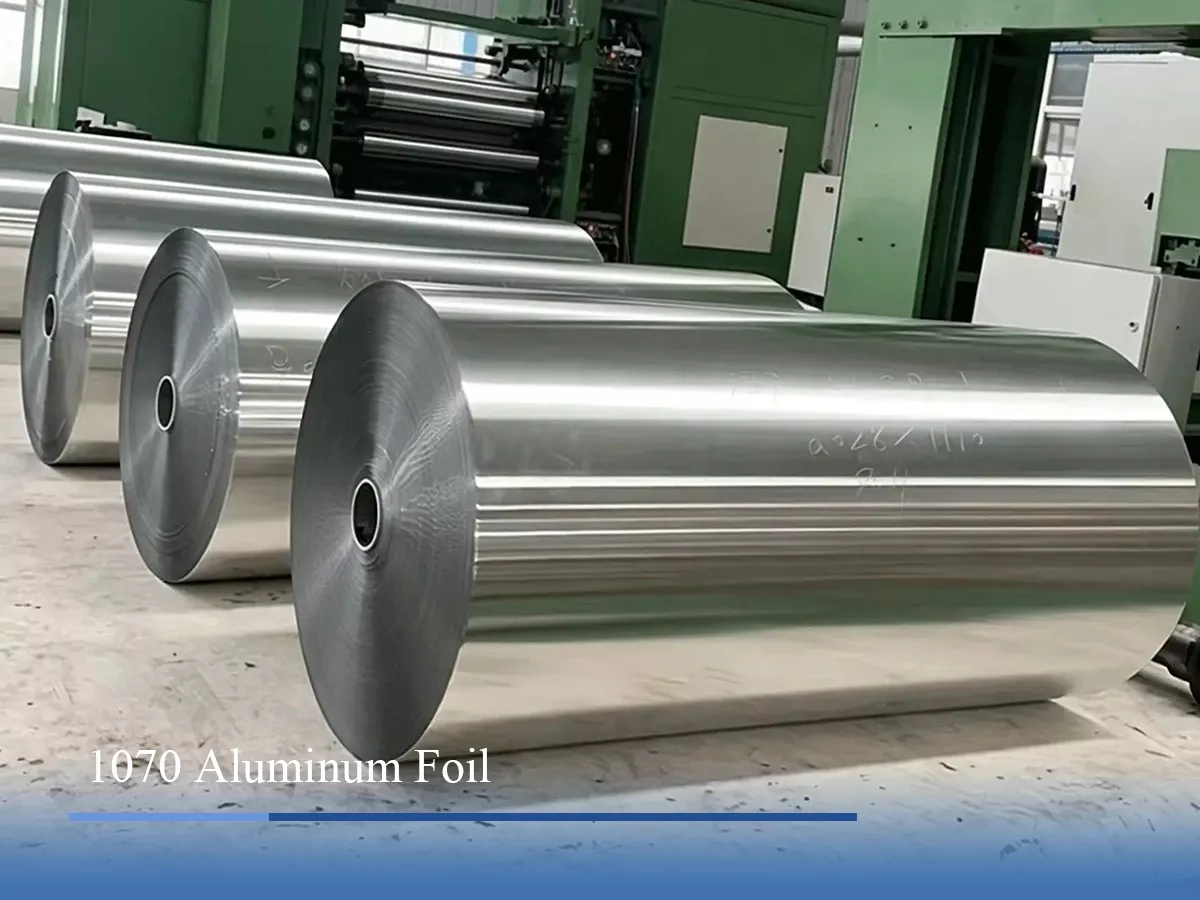
- Alloy
- 1070 / Al 99.7
- Series
- 1xxx Series
- Temper
- O / H-Series
- Form
- Jumbo Roll / Coil / Slit Strip
- Surface Options
- Mill Finish / Cleaned / Custom
- Custom Options
- Thickness / Width / Slitting
What Is 1070 Aluminum Foil?
1070 aluminum foil belongs to the commercially pure 1xxx aluminum series and contains at least 99.7% aluminum. The alloy is selected when electrical conductivity, thermal performance, corrosion resistance and formability are more important than high mechanical strength.
The high aluminum content is also one reason 1070 is considered for conductive and electronic applications. EN AW-1070 is commonly identified as Al 99.7, while equivalent designations may vary by standard or market.
1070 Aluminum Foil Specifications
| Item | Typical Supply Range |
| Alloy | 1070 |
| Aluminum Content | ≥ 99.7% |
| Temper | O / H-Series |
| Thickness | Customized |
| Width | Customized |
| Supply Form | Coil / Roll / Slit Strip |
| Surface | Mill Finish |
| MOQ | 2 Tons |
| Packaging | Export / Seaworthy Packing |
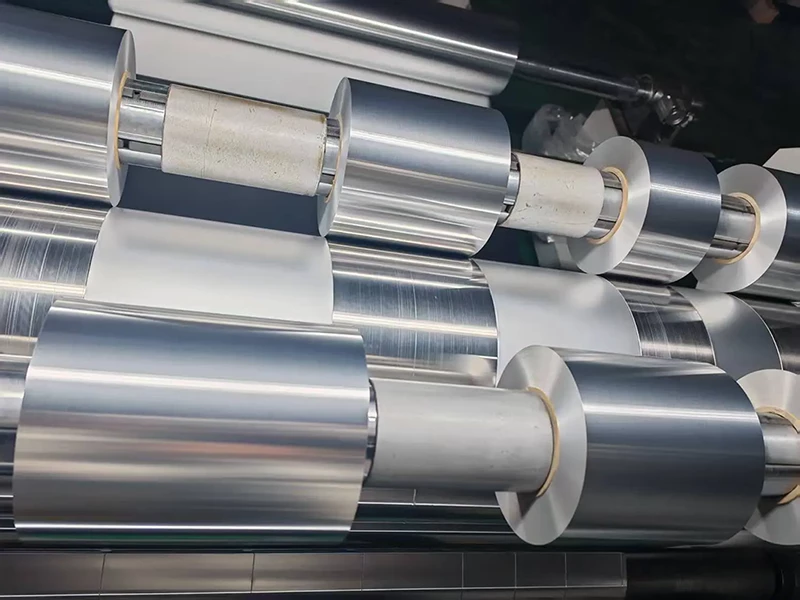
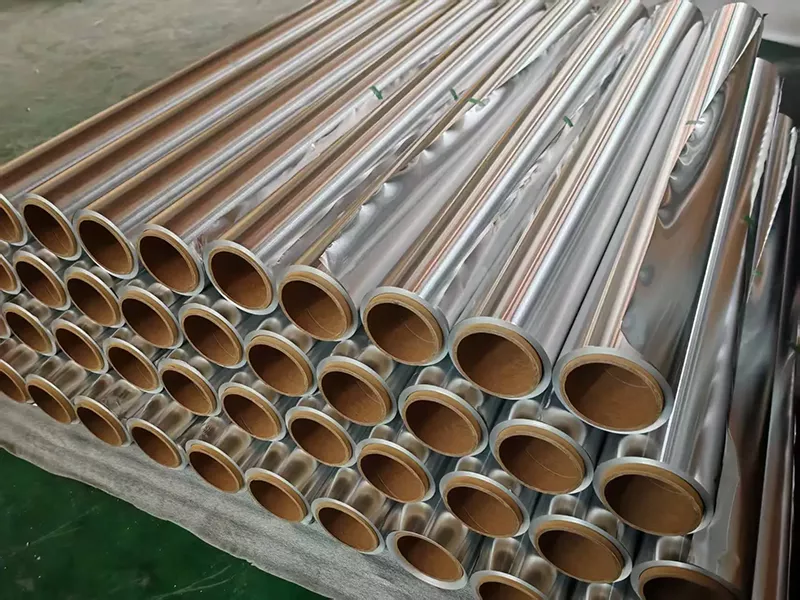
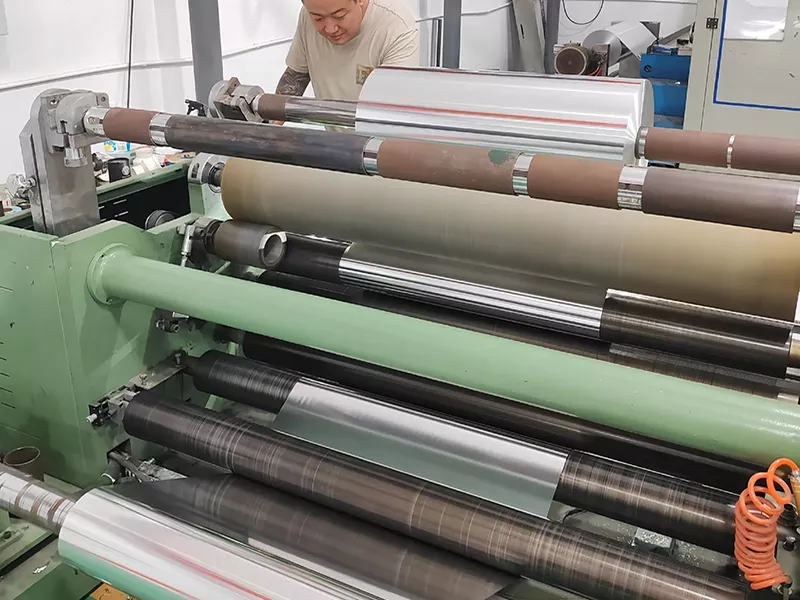
1070 Aluminum Foil Jumbo Rolls and Finished Rolls
Why Choose 1070 Aluminum Foil?
1070 is considered when a project requires a high-purity aluminum foil with good conductivity, ductility and controlled conversion characteristics.
High Aluminum Purity
An aluminum content of at least 99.7% makes 1070 suitable for applications where material purity and conductivity are important.
Good Electrical Conductivity
The alloy is commonly considered for conductive components, electrical winding materials and related foil applications where low electrical resistance is important.
Excellent Formability
1070 offers high ductility in the annealed condition, supporting winding, forming, bending and other downstream conversion processes.
Flexible Processing
Haomei can discuss customized thicknesses, widths, coil dimensions and slit-strip formats according to the application and production requirements.
Chemical Composition (%) of 1070 Aluminium Foil
| Alloy | Si | Fe | Cu | Mn | Mg | Cr | Ni | Zn | V | Ti | Zr | Others | Al |
| 1070 | 0.20 | 0.25 | 0.04 | 0.03 | 0.03 | 5 | 0.04 | 0.05 | 0.03 | 0.03 | Remain |
Mechanical Properties of 1070 Aluminum
| Temper | Tensile Strength (MPa) | Yield Strength (MPa) | Elongation (%) | Hardness (HB) | Notes |
| O (Annealed) | 55–70 | 20–35 | ≥35 | 20–25 | Highest ductility, but lowest strength |
| H12 (Light Cold Work) | 80–95 | 35–45 | 20–25 | 25–30 | Strength increases, ductility decreases |
| H14 (Medium Cold Work) | 95–105 | 40–50 | 15–20 | 30–35 | Higher strength, further reduced ductility |
| H18 (Full Hard Cold Work) | 105–110 | 45–50 | 10–15 | 35–40 | Highest strength, lowest ductility |
Applications of 1070 Aluminum Foil
Electrical and Conductive Components
1070 foil is considered for electrical applications where high aluminum purity and electrical conductivity are important. Depending on the design, it may be processed into winding, conductive or laminated components. For broader material selection, see our electronic aluminum foil solutions.
Capacitor Components
High-purity aluminum foil is used in selected capacitor-related applications where material composition, surface condition, thickness consistency and downstream processing behavior need to be controlled. Alloy and foil condition should be matched to the capacitor manufacturing process.
Transformer and Winding Materials
For transformer-related winding and conductive applications, thin aluminum foil can provide a lightweight conductive material while allowing controlled winding and conversion. Related requirements can also be reviewed as part of our transformer aluminum materials range.
EMI Shielding and Cable Wrapping
1070 foil can be used in shielding structures and cable wrapping where continuous conductive metallic coverage is required. Final thickness, temper and surface condition should be selected according to the shielding structure and converting process.
Thermal Management
Because aluminum has high thermal conductivity, 1070 foil can be incorporated into thermal-management laminates and other heat-spreading structures. For applications requiring a different balance of strength and conductivity, related 1100 aluminum foil can also be evaluated.
Battery and Electronics
For battery or electronic applications, alloy selection should be based on the cell or component design, required conductivity, forming behavior, surface condition and downstream process. Haomei Aluminum can review thickness, width, temper and slitting requirements for project-specific supply.
1070 Aluminum Foil Quality Inspection at Haomei Aluminum
Every 1070 aluminum foil order is checked against its agreed specifications before shipment. Depending on the application, our inspection covers alloy composition, foil thickness, width, surface condition and finished coil requirements.
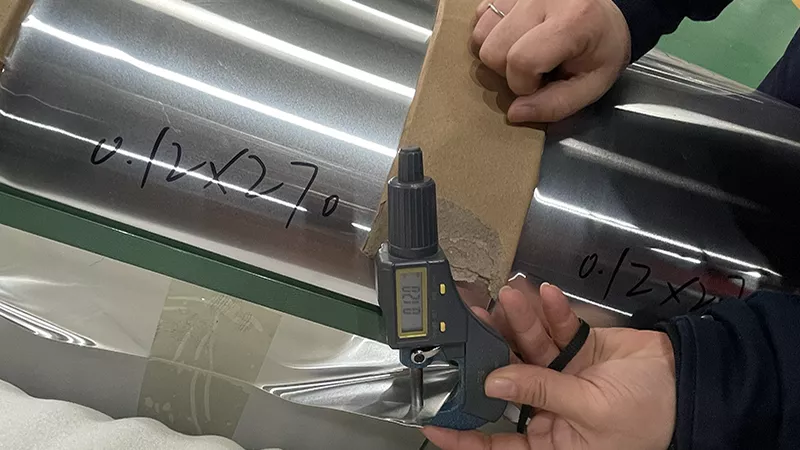
Foil Thickness Inspection
Thickness is measured against the ordered gauge and agreed tolerance. This check helps confirm that the foil is suitable for the customer's winding, laminating or other processing requirements.
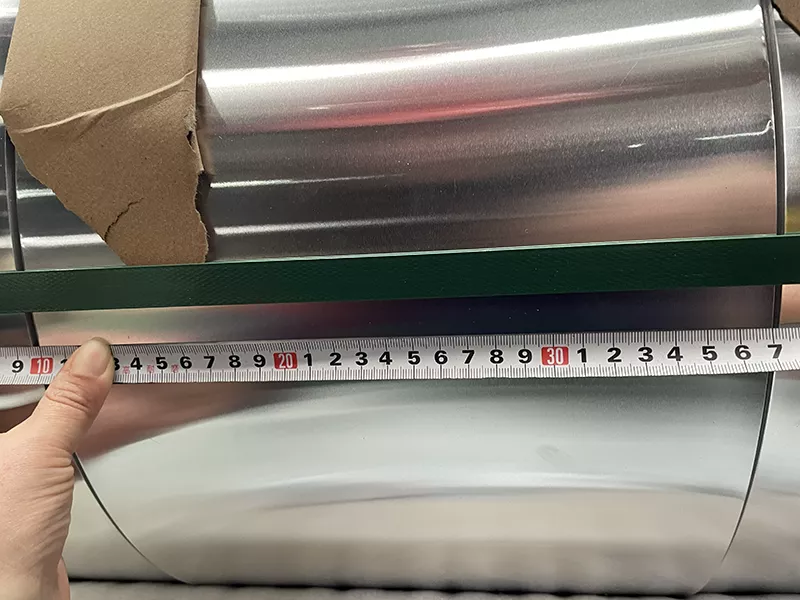
Width and Slitting Accuracy
For jumbo rolls and slit foil, we check the finished width, strip dimensions and cutting quality against the order details. The aim is to deliver coils that fit the customer's equipment and production process.
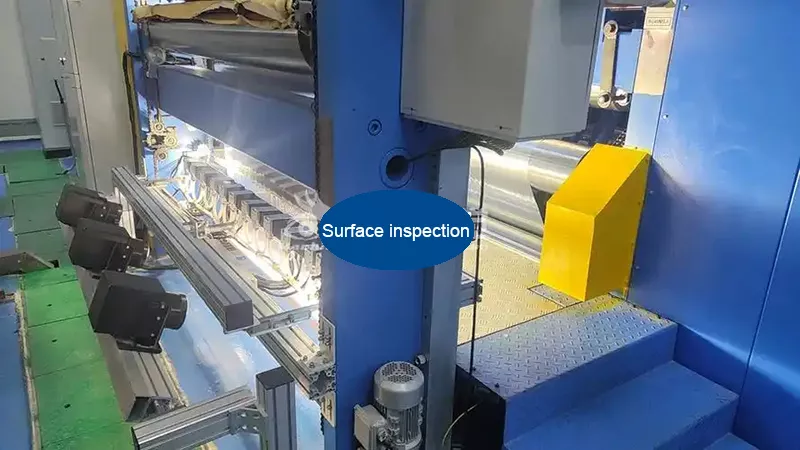
Surface and Appearance Check
The foil surface is checked for visible marks, stains, scratches and other defects that may interfere with the intended use. Surface requirements are confirmed according to the application and agreed finish.
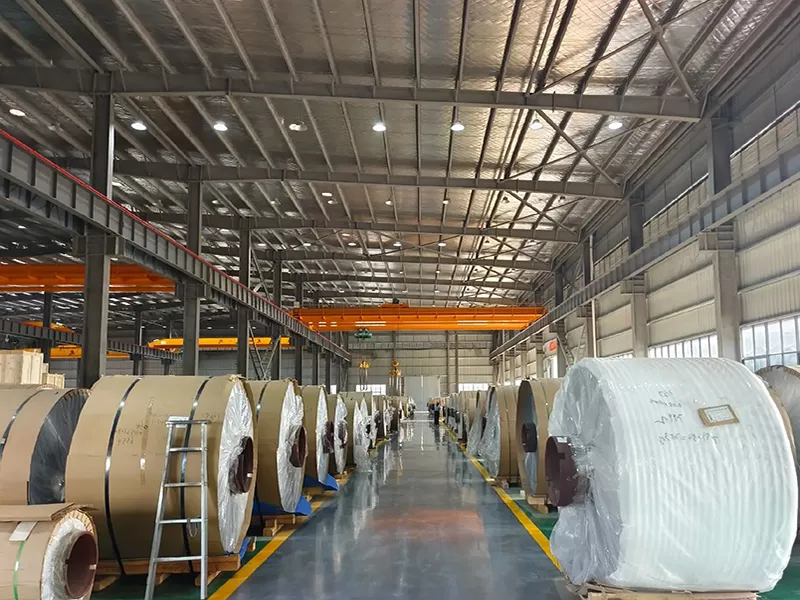
Coil Inspection and Export Packing
Before loading, we check coil identification, outside diameter, core size and packing details against the confirmed order. Export packing is arranged to protect the foil during handling and overseas transportation.
1070 Aluminum Foil vs. Other 1xxx Series Foils
1050, 1070 and 1100 are commonly selected when a high aluminum content, good conductivity and easy forming are required. The main difference is the aluminum content and the way each grade fits the processing and performance requirements of the finished product.
| Alloy | Minimum Al Content | Typical Positioning |
| 1050 | 99.5% | High-purity foil for general electrical, thermal and forming applications |
| 1070 | 99.7% | Higher-purity foil for conductive and more demanding electronic applications |
| 1100 | 99.0% | General-purpose foil where balanced performance and easy processing are required |
1070 is often chosen when aluminum purity and conductivity are more important than the additional strength provided by alloying elements. Compared with 1100 aluminum foil , 1070 contains more aluminum and is better suited to applications where a higher-purity foil is specified.
1050 remains a practical choice for many general high-purity foil applications, while 1100 offers a broader range of commercial uses.
Related 1xxx-Series Products
Haomei supplies several aluminum foil grades for electrical, electronic, thermal and general industrial applications.
1100 Aluminum Foil Electronic Aluminum Foil Aluminum Foil Products
Request a 1070 Aluminum Foil Quote
To prepare a practical quotation, Haomei recommends providing the basic dimensions and application requirements below. This helps us review the appropriate production route instead of quoting a generic material specification.
- Required alloy and temper
- Foil thickness and tolerance
- Finished width or slitting dimensions
- Coil ID / OD and estimated coil weight
- Surface and packaging requirements
- Quantity and destination port
- Required inspection or material documentation
Looking for 1070 Aluminum Foil for a Specific Application?
Send us your required alloy, thickness, width, temper, slit size, quantity and application. Haomei Aluminum can review the specification from a production perspective and provide a suitable quotation, processing arrangement and export packing solution.
Request a QuoteFAQ – 1070 Aluminum Foil
Is 1070 aluminum foil pure aluminum?
1070 is classified as commercially pure aluminum and has a minimum aluminum content of 99.7%. The remaining content consists of controlled minor elements within the applicable material standard.
What is 1070 aluminum foil used for?
Typical applications include electrical and conductive components, capacitor-related materials, transformer and winding applications, shielding structures and selected thermal-management laminates.
Can Haomei supply custom-width 1070 foil?
Yes. Haomei can discuss customized foil widths and slit-strip dimensions according to the production requirements and the downstream application.
What temper is available for 1070 aluminum foil?
Available temper depends on the required formability, stiffness and downstream processing. Annealed O temper is commonly considered where high ductility is required, while harder tempers can be evaluated for applications requiring greater handling strength.
How do I request a quotation?
Send the required alloy, temper, thickness, width, quantity, coil dimensions and application to Haomei Aluminum. We can then review the specification and confirm a suitable production route and quotation.
What is the electrical conductivity of 1070 foil?
1070 is a high-conductivity aluminum grade, but the value for supplied foil depends on composition, temper and test temperature. For an electrical design, request a specified conductivity or resistivity limit supported by an agreed test method.
Is 1070 always better than 1050 for shielding?
No. The difference in purity is only one factor. Shield continuity, thickness, joints and grounding may have a greater influence on assembly performance.
Which temper should I choose for winding?
O temper is commonly considered where softness and formability are important. The final choice should account for winding tension, bend radius, handling and required mechanical strength.
Further reading
Users viewing this material also viewed the following