
Haomei Aluminum supplies aluminum foil used as the foil substrate in induction seal liner production. Our packaging-grade aluminum foil is available in commonly used alloys such as 8011-O, with 1235-O and 8079-O available for structures requiring different forming or barrier characteristics.
Aluminum foil is the barrier and induction-heating component in a multilayer sealing structure. During electromagnetic induction sealing, the foil heats rapidly and transfers heat to the compatible sealing layer, allowing the liner to bond to the rim.
For converters and packaging material manufacturers, Haomei can provide aluminum foil in customized thicknesses, widths and roll formats for applications involving food, beverages, pharmaceuticals, cosmetics, chemicals, agrochemicals and other packaged products.
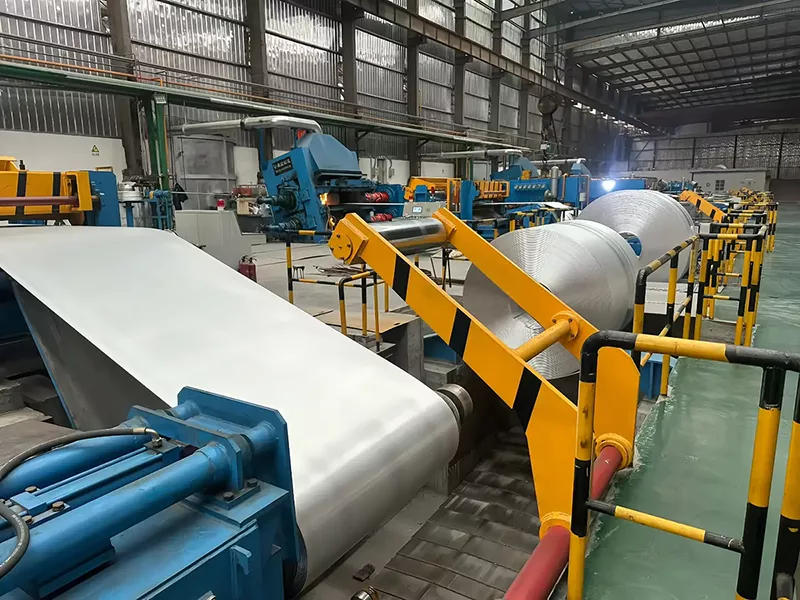
- Common Alloy
- 8011-O
- Foil Thickness
- 10–30 μm
- Typical Widths
- 360 / 370 / 390 mm
- Supply Format
- Jumbo & Slit Rolls
Aluminum Foil Induction Seal Liner Specifications
| Item | Typical Specification |
| Product | Aluminum foil for induction seal liner production |
| Common alloys | 8011-O, 1235-O, 8079-O |
| Aluminum foil thickness | 10–30 μm |
| Typical roll widths | 360 mm, 370 mm, 390 mm or customized |
| Supply format | Jumbo roll, slit roll, sheet stock where required |
| Liner diameter reference | Common finished liner diameters may range from 15–120 mm |
| Typical finished liner total thickness | 0.2–1.0 mm, depending on the complete multilayer structure |
| Surface | Plain or customized according to converting requirements |
| Container materials | PE, HDPE, PP, PET, PVC, PS and glass, subject to compatible sealing-layer selection |
| Sealing process | Electromagnetic induction sealing |
| Applications | Food, beverage, pharmaceutical, cosmetic, chemical, agrochemical and lubricant packaging |
The 0.2–1.0 mm value refers to the typical total thickness of a finished multilayer liner, while the aluminum foil supplied by Haomei is commonly specified separately at 10–30 μm.
Aluminum Foil Alloys for Induction Sealing
The aluminum foil used in induction sealing liners must match the requirements of the complete laminate structure. Haomei Aluminum supplies foil stock for coating, lamination and liner converting, with alloy selection based on the specified thickness, surface condition, mechanical properties and subsequent processing requirements.
8011-O Aluminum Foil
8011-O is a common option for induction sealing foil laminates. When specifying this grade, converters should consider foil thickness, pinhole requirements, surface cleanliness and compatibility with the bonding layers. These factors need to be assessed alongside the requirements of the finished liner structure.
For composition, temper and available specifications, see 8011 aluminum foil.
1235-O Aluminum Foil
1235-O can be considered when the project specification calls for this packaging foil grade. Its suitability depends on the required gauge, surface quality and performance during coating and lamination. Material samples or trial rolls can help verify compatibility with the intended liner construction before regular production.
For more details on this material, visit our 1235 aluminum foil page.
8079-O Aluminum Foil
8079-O is another grade to evaluate when selecting aluminum foil for flexible laminate structures. Before replacing a specified alloy, check thickness consistency, foil handling, surface condition and bonding performance under the intended converting conditions. Any change should be validated against the material specification and production trials.
See our 8079 aluminum foil page for related alloy information.
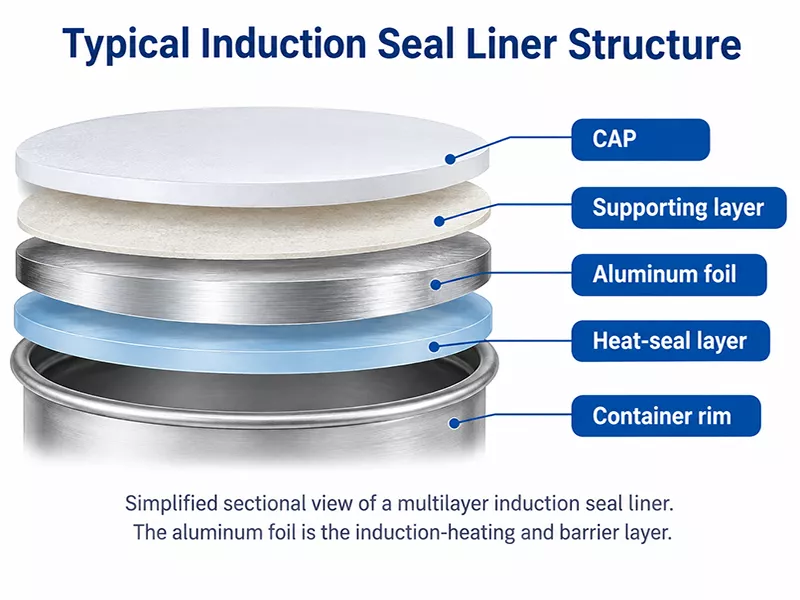
Typical Induction Seal Liner Structure
An induction seal liner is typically built from several layers, each serving a different purpose during sealing. The aluminum foil acts as the induction-heating and barrier layer, while the other materials provide support and form a seal against the container opening.
Depending on the liner design, the structure may include paperboard or foam backing, an aluminum foil layer, and a heat-seal coating matched to the container material. The exact combination depends on the cap design, bottle or jar material, and required sealing conditions.
Haomei supplies aluminum foil for induction sealing in customized thicknesses and roll widths. Foil specifications can be selected according to the intended laminate structure and subsequent converting requirements.
Selecting 10–30 μm Aluminum Foil for Induction Sealing
For induction sealing applications, aluminum foil thickness affects material handling, laminate design and the requirements of the converting process. Haomei supplies 10–30 μm aluminum foil for use as the foil layer in multilayer induction seal liner constructions.
The choice depends on how the foil will be laminated, coated, slit and converted into the required liner format. A lighter gauge may suit a material design focused on reducing foil usage, while a heavier gauge may be preferred when the converting process requires different handling characteristics. Neither option guarantees a better seal on its own.
Before specifying induction sealing foil, consider the following factors:
Liner Construction
Determine whether the foil will be laminated with paperboard, foam, PET or other supporting materials. The complete layer structure affects the liner's handling and performance.
Heat-Seal Layer
Match the sealing coating to the container material and the intended sealing process. Foil thickness alone does not determine bonding strength.
Container Material
Identify the bottle or container resin, such as PE or PP, and confirm that the liner's heat-seal layer is compatible with the contact surface.
Induction Sealing Equipment
Check the induction sealer configuration, sealing head and operating settings against the selected liner construction and container format.
Power and Line Speed
Sealing power, exposure time and production speed need to be evaluated together. The operating window should be established through sealing trials.
Slitting and Die-Cutting
Specify foil thickness tolerance, roll width and other relevant delivery requirements according to the converter's slitting, laminating and die-cutting process.
Choosing a thicker aluminum foil does not automatically produce a stronger or more reliable induction seal. Seal integrity depends on the foil, supporting layers, heat-seal coating, container surface and sealing conditions working together. When requesting a quotation from Haomei, provide the target thickness, required roll dimensions and intended liner construction so the foil specification can be assessed against your processing requirements.
Container Compatibility: Match the Sealing Layer to the Container
The aluminum foil itself is only one part of the finished liner. The heat-seal layer must be formulated for the material of the surface. Different containers may require different sealing layers or constructions.
| Container Material | Sealing Consideration |
| PE / HDPE | Select a compatible polyethylene-based sealing structure |
| PP | Use a sealing layer designed to bond with polypropylene |
| PET | Confirm PET-compatible sealing performance |
| PVC | Select a structure compatible with the PVC surface |
| PS | Confirm bonding requirements before production |
| Glass | Use a sealing construction specifically developed for glass surfaces |
This is why bottle cap induction seal liners cannot be standardized only by diameter. Two liners with the same outside diameter may require different material structures when used with different materials.
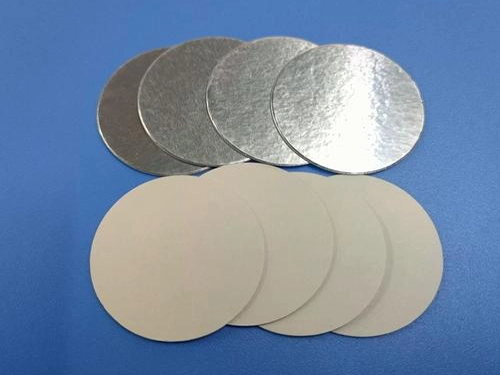
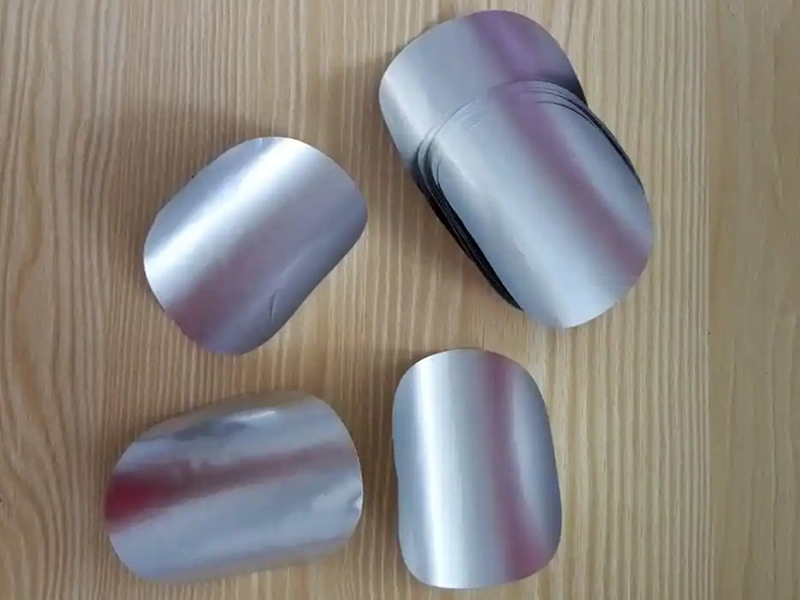
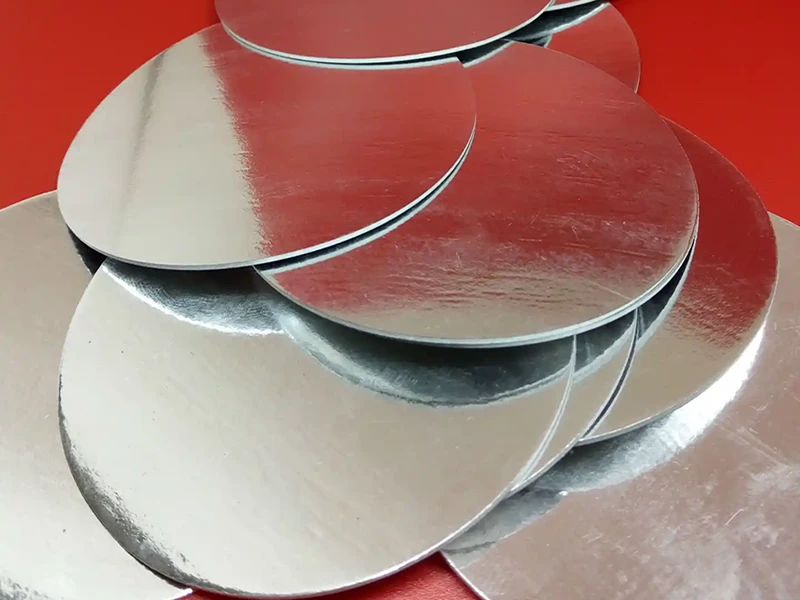
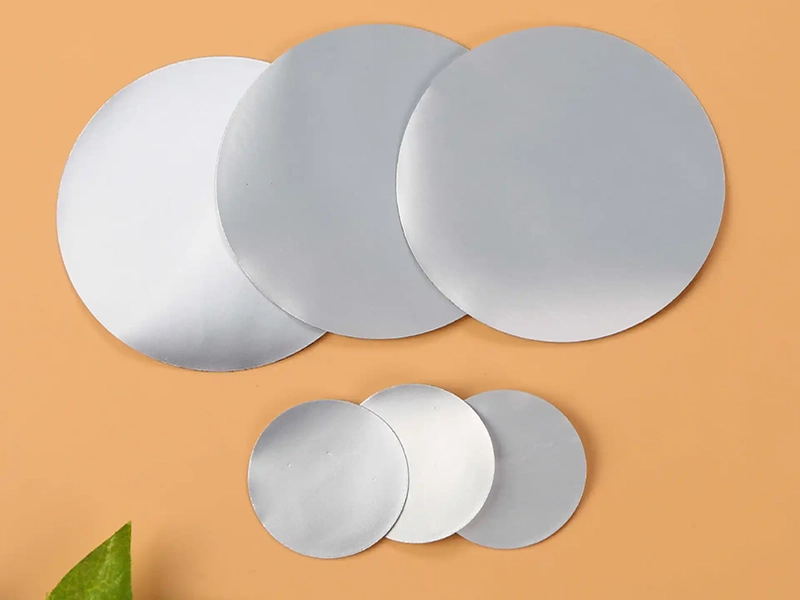
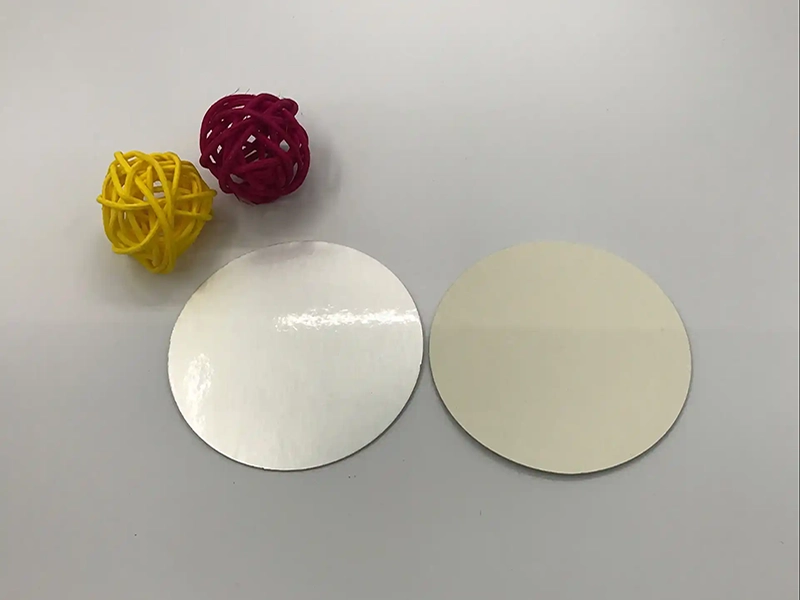
Haomei Aluminum Foil Induction Seal Liner Material Gallery
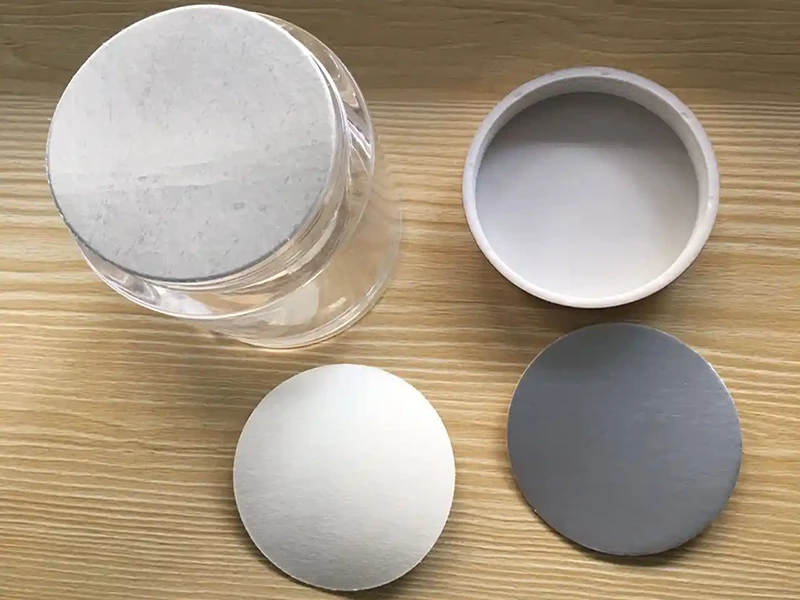
Applications in Bottle Cap Induction Seal Liners
Aluminum foil is used in bottle cap induction seal liners for food, beverages, dietary supplements, pharmaceuticals, cosmetics, lubricants and chemical packaging.
Each application places different demands on the finished structure:
Food and Supplements
Barrier performance, opening behavior and applicable food-contact requirements.
Pharmaceuticals
Packaging compatibility, seal integrity and documentation appropriate to the application.
Agrochemicals and Chemicals
Resistance of the sealant and laminate to the packaged formulation.
Lubricants and Cosmetics
Leak resistance, compatibility with oily contents and reliable sealing under the intended distribution conditions.
The final liner construction should always be selected according to the product, and sealing process.
Aluminum Foil Supply Formats for Induction Seal Liners
Haomei supplies aluminum foil as a raw material for induction seal liner production. Available formats include jumbo rolls, slit rolls and, where required, sheet stock for specific processing needs. Roll dimensions and material specifications can be reviewed against your converting equipment and liner construction.
Jumbo Aluminum Foil Rolls
Jumbo rolls are suitable for foil converters running slitting, laminating or coating operations. Roll width, coil diameter, core ID and target weight can be specified according to line capacity and material-handling requirements.
Slit Aluminum Foil Rolls
Slit rolls are available for production lines that require narrower foil widths. Slitting dimensions can be discussed based on the converter's equipment, material thickness and planned production run.
Aluminum Foil Sheet Stock
Flat sheets may be considered for sampling, material evaluation or processes that use sheet-fed equipment. Availability and dimensions depend on the required foil specification and intended processing method.
What to include in an aluminum foil RFQ
Please specify the alloy, temper, foil thickness, width, roll length or weight, core ID, order quantity, intended application and required inspection documents.
For induction sealing applications, details of the intended laminate structure and any coating or bonding requirements are also useful.
Request Aluminum Foil for Induction Seal Liner Production
Send Haomei Aluminum your required alloy, temper, foil thickness, width, roll specification and quantity . If available, also provide the material and basic liner structure.
Our team can review the aluminum foil specification and prepare a quotation based on your production requirements.
Request a QuoteWhy Choose Haomei for Aluminum Foil Used in Induction Sealing?
Aluminum Foil Substrate Supply
Haomei supplies aluminum foil for induction sealing applications, with a focus on the metal substrate used in multilayer sealing structures. The material is intended for converters and laminators producing induction seal liners, rather than finished bottle-cap liners.
Alloy and Temper Selection
8011-O aluminum foil is a common option for induction sealing laminates. Depending on the required thickness, surface condition and laminate design, 1235-O and 8079-O can also be evaluated for the application.
Custom Slitting and Roll Dimensions
Aluminum foil can be supplied in jumbo or slit rolls to suit different laminating and converting lines. Required thickness, slit width, core size, roll diameter and roll weight can be reviewed against your equipment and production requirements.
Material Certificates and Inspection
Material certificates and inspection records can be arranged according to the agreed order requirements. Buyers can specify the applicable material standard, required test items and documentation before production.
Export Packing for Aluminum Foil Rolls
Packaging is selected to protect foil coils during storage, loading and international transport. Moisture protection, edge protection and roll stability are considered according to the coil dimensions and shipping requirements.
Specification Review Before Quotation
Before preparing a quotation, we review the alloy, temper, foil thickness, width and roll specifications, along with any relevant surface or lamination requirements. This gives both sides a clearer basis for confirming material suitability and order details.
Induction Seal Liner Related Aluminum Foil Materials
FAQ – Aluminum Foil for Induction Seal Liners
What aluminum alloy is commonly used for induction seal liner foil?
8011-O is a common choice for aluminum foil used in induction sealing structures. Depending on the converting process, foil thickness and application requirements, 1235-O or 8079-O may also be considered.
What thickness of aluminum foil is used for induction sealing?
Haomei commonly supplies 10–30 μm aluminum foil for induction seal liner applications. The final thickness depends on the multilayer liner construction, sealing requirements and converting process.
Can aluminum foil for induction seal liners be supplied in slit rolls?
Yes. Haomei can discuss jumbo rolls and slit rolls according to the customer's converting equipment, required width, roll dimensions and order quantity.
Is the same induction seal liner suitable for PE, PP, PET and glass bottles?
Not necessarily. The heat-seal layer must be compatible with the container's sealing surface. The same aluminum foil substrate may be incorporated into different liner structures, but the heat-seal layer and overall construction may vary depending on the container material and application.
What is induction sealing foil?
Induction sealing foil is aluminum foil used as the induction-heating and barrier layer in a multilayer sealing system. It is typically combined with compatible heat-seal and supporting materials during conversion into a finished liner.
Can Haomei supply aluminum foil for custom induction seal liner structures?
Yes. Haomei can review the required alloy, foil thickness, width, roll dimensions, order quantity and intended application to help determine a suitable aluminum foil specification for the customer's converting requirements.