
Haomei Aluminum supplies soft aluminum foil for retort pouch packaging as a high-barrier layer in multilayer flexible structures. Typical materials include 8011, 8079 and 1235, with foil thicknesses of 6–9 μm (0.006–0.009 mm). Width, core size and winding dimensions can be discussed according to the converter's lamination and pouch-making requirements.
Unlike the finished pouch, the aluminum foil supplied by Haomei is the metal barrier component that is laminated with polymer films such as PET, PA or retort-grade polypropylene.
- Alloys 8011 / 8079 / 1235
- Thickness 0.006–0.009 mm
- Width Up to 1850 mm
- Temper O / Soft
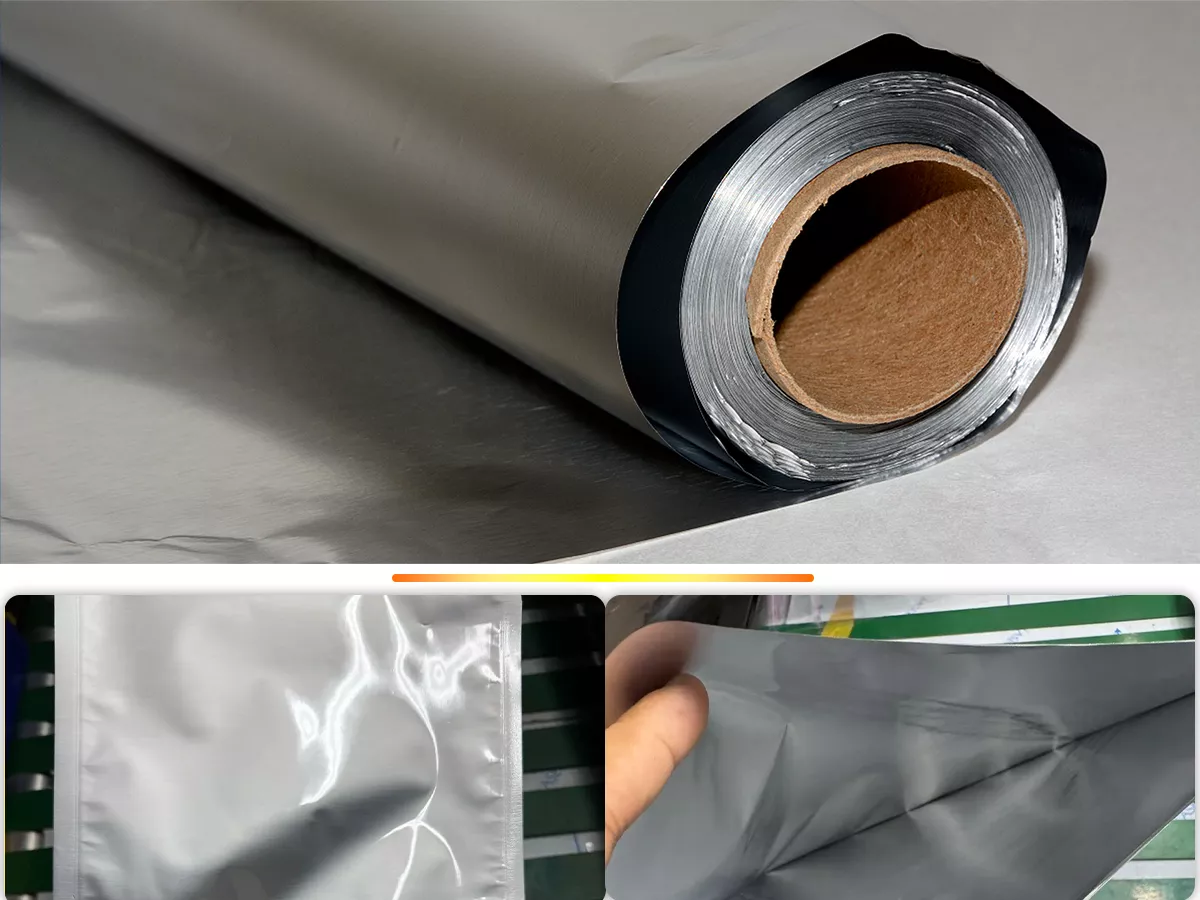
Retort Pouch Aluminum Foil Specifications
| Item | Specification |
| Product | Aluminum foil for retort pouch lamination |
| Alloy options | 8011, 8079, 1235 |
| Temper | O, soft annealed |
| Thickness | 0.006–0.009 mm / 6–9 μm |
| Width | Up to 1850 mm, subject to gauge and production confirmation |
| Core inner diameter | 3–6 inches / approximately 76–152 mm |
| Supply form | Jumbo rolls and customized slit rolls |
| Function in the pouch | Light, oxygen and moisture barrier layer |
| Application | Retort pouches and other high-barrier flexible packaging |
| MOQ | 2 tons (Subject to alloy, thickness, width, roll specification and production requirements) |
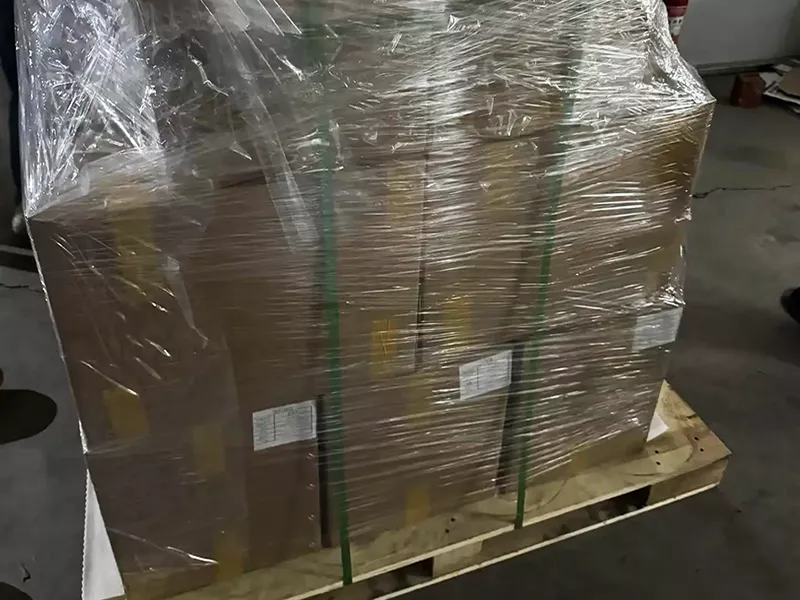
| Packaging | Export seaworthy packaging with moisture protection, edge protection and suitable wooden cases or pallets; customized packing available |
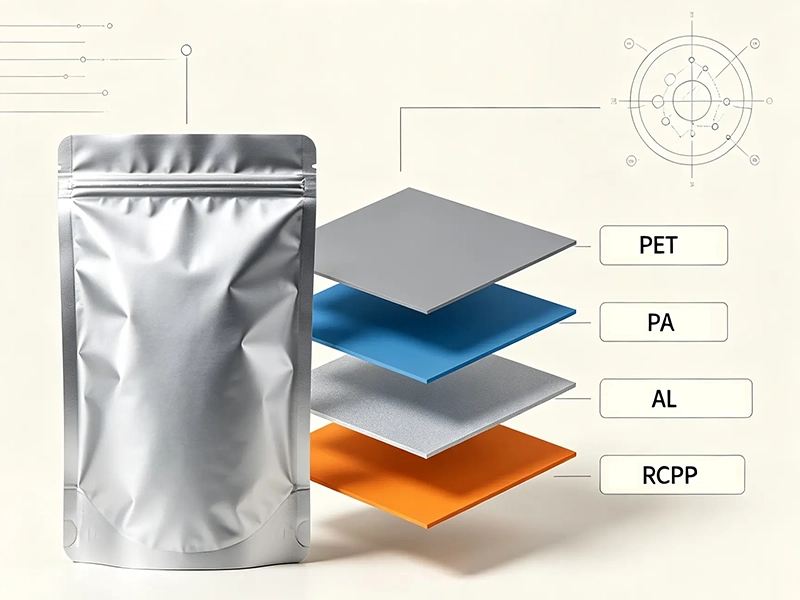
Retort Pouch Material Structures with Aluminum Foil
Common foil-based constructions include three-layer and four-layer laminates.
Three-Layer Structure
PET / Aluminum Foil / RCPP
PET provides the outer printing and mechanical layer, aluminum foil provides the main barrier, and retort-grade CPP forms the inner heat-seal and food-contact layer.
Four-Layer Structure
PET / PA / Aluminum Foil / RCPP
Adding a PA or nylon layer can improve puncture resistance and mechanical strength where the pouch will experience demanding filling, handling or distribution conditions.
PET
Outer layer for printability, dimensional stability and mechanical protection.
PA / Nylon
Optional reinforcement for puncture resistance and toughness.
Aluminum Foil
High-barrier metal layer that limits light, oxygen and moisture transmission.
RCPP
Retort-grade sealant layer for heat sealing and food-contact performance.
Aluminum Foil Alloy Options for Retort Pouches
8011, 8079 and 1235 aluminum foil can be considered for the barrier layer in laminated retort pouches. The right choice depends on foil thickness, converting conditions and the pouch’s sterilization cycle—not the alloy designation alone.
8011 Aluminum Foil
A common choice for flexible packaging, 8011 foil is typically supplied in soft (O) temper for lamination. It is a practical starting point for converters seeking a balance of formability and handling performance.
Review the available 8011 aluminum foil specifications against your required thickness, surface cleanliness and pinhole limits before arranging a lamination trial.
8079 Aluminum Foil
For thinner foil layers, 8079 in O temper is worth evaluating for its ductility and flexibility. These properties can help during converting, though resistance to cracking also depends on foil gauge, laminate design and handling.
Compare 8079 aluminum foil with your current grade at the same thickness, and check laminate integrity after pouch forming and retort testing.
1235 Aluminum Foil
1235 soft-temper foil is used in flexible packaging laminates and may suit retort pouch structures validated by the converter. Selection should account for the specified gauge, foil quality and stresses introduced during pouch production.
When considering 1235 aluminum foil for lamination, confirm thickness tolerance, wettability and pinhole requirements with the supplier.
What Role Does Aluminum Foil Play in a Retort Pouch?
Aluminum foil is the main barrier layer in a foil-based retort pouch. It limits the passage of oxygen, moisture and aroma compounds while blocking light, helping food retain its flavor and quality during storage. The foil works as part of a bonded multilayer structure—not as a standalone packaging material.
A Barrier That Helps Protect Food Quality
Foods such as ready meals, sauces and pet food can lose quality when exposed to oxygen or light. Aluminum foil for retort pouches provides strong protection against these exposures and helps reduce moisture transfer through the pouch walls. The finished package still depends on sound seals and an intact laminate: pinholes, flex cracks or seal defects can compromise its barrier performance.
Flexibility Within a Heat-Resistant Laminate
Soft-temper foil can bend and conform during lamination and pouch forming. The surrounding films provide mechanical support, while the inner sealant layer forms the heat seal. Choosing suitable foil alloys and tempers is part of developing the structure, but the films, adhesives and seals must also withstand the intended retort cycle. Foil alone does not make a pouch suitable for thermal processing.
Retort Pouch Aluminum Foil Product Images
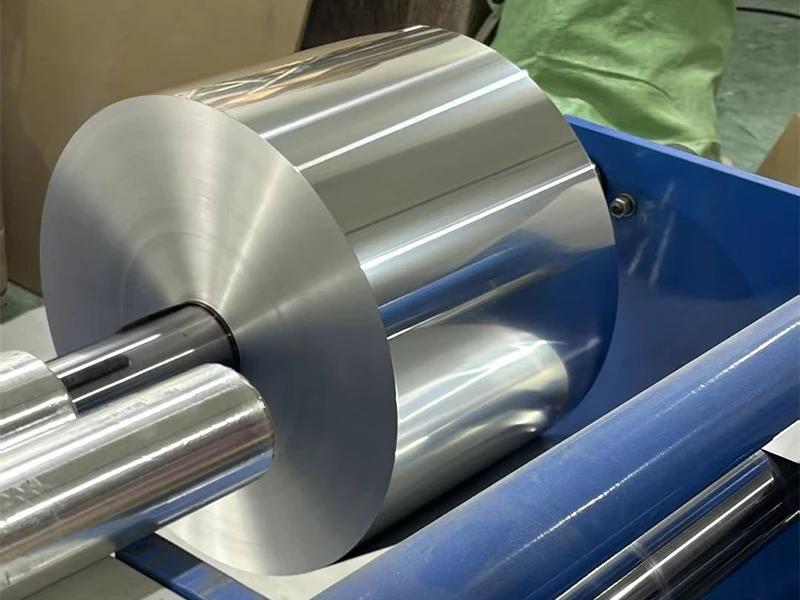
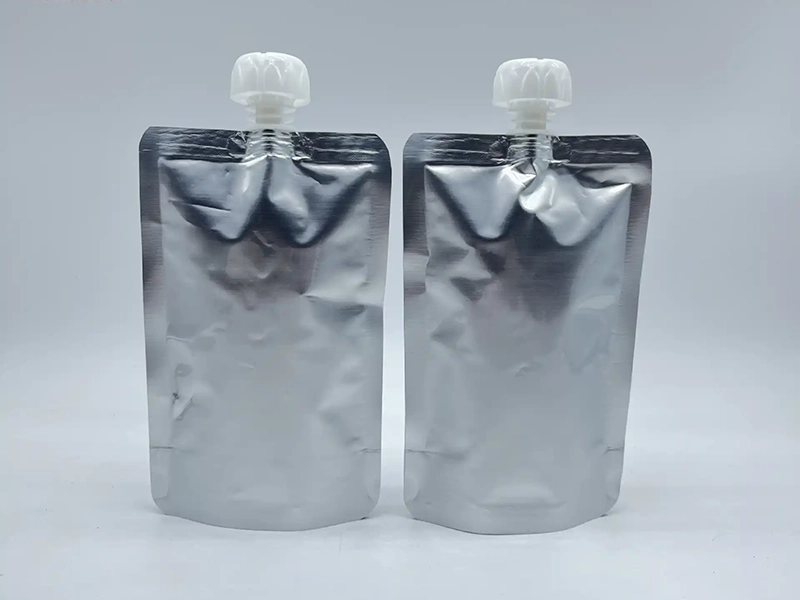
Customized Retort Packaging Foil Rolls
Foil Dimensions
Thickness, master width and slit width can be specified according to the converting line.
Roll Dimensions
Core inner diameter, outer diameter and winding requirements can be reviewed before production.
Supply Format
Jumbo rolls can be supplied for downstream converting, while slit rolls can be considered when narrower widths are required.
Request a Retort Pouch Foil Specification
Send your alloy, temper, foil thickness and width, core size, required roll weight or diameter, lamination structure and retort conditions. Haomei Aluminum can review the specifications and recommend a suitable foil configuration for your packaging line.
Request a QuoteApplications of Aluminum Foil for Retort Pouch Packaging
Foil-based retort structures are commonly used where packaged products require high barrier protection and room-temperature shelf stability after thermal processing.
Ready-to-Eat Meals Rice meals, prepared dishes, curries and other shelf-stable meal products.
Soups and Sauces Liquid and semi-liquid foods requiring protection from oxygen, moisture and light.
Seafood and Meat Retortable products where barrier performance and package durability are important.
Wet Pet Food Foil-based laminate structures can be selected for wet pet food formats requiring retort processing.
Long-Life Food Packaging Shelf-stable foods that benefit from a high-barrier flexible package.
Specialty Retort Products Other products can be evaluated according to the required retort schedule and packaging structure.
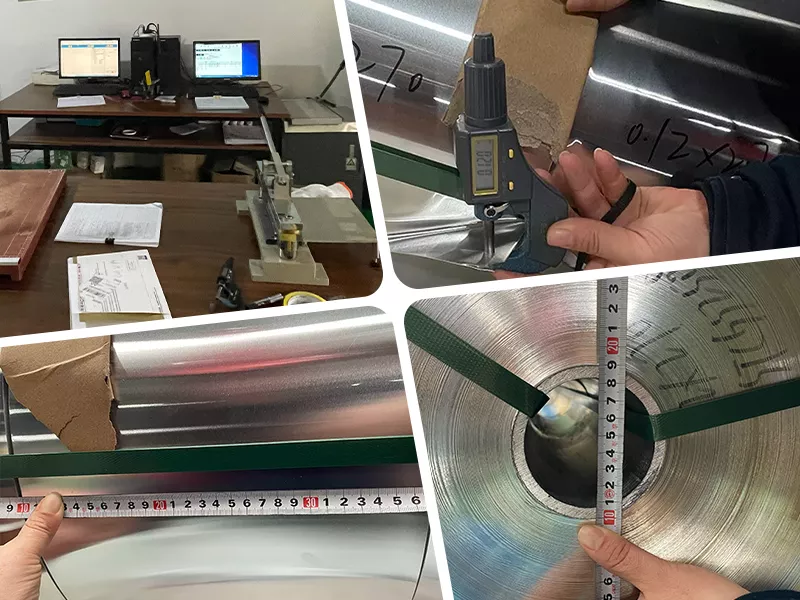
Aluminum Foil Quality Checks for Retort Pouch Production
At Haomei, the inspection scope is agreed against the order specification, including the foil grade, gauge, slit width and acceptance criteria.
- Alloy and temper: Check that the supplied alloy and temper match the order, including soft-annealed foil where specified.
- Foil thickness: Measure the gauge and check thickness variation against the agreed tolerance.
- Slit width: Verify finished roll width against the dimensions required for the customer's lamination and converting equipment.
- Surface condition: Inspect for visible scratches, wrinkles, contamination and other defects that may affect lamination or appearance.
- Pinholes: Check pinholes against the agreed inspection method and acceptance limits for the specified foil gauge and application.
- Roll condition and identification: Check winding quality, roll edges, core dimensions and labels against the order requirements.
Why Choose Haomei Aluminum for Retort Pouch Foil?
Direct Manufacturer Supply
Share your pouch structure, target foil gauge and processing requirements with Haomei Aluminum. Direct discussion helps clarify the material specification before you place an order.
Flexible Specifications
Specify the alloy, temper, thickness and slit width, along with core size and winding requirements. Confirming these details upfront helps avoid roll-handling and setup issues on your laminating line.
Packaging-Focused QC
Agree on thickness tolerances, surface condition, pinhole limits and winding quality before production. Defined acceptance criteria give your purchasing and quality teams a practical basis for incoming inspection.
FAQ – Retort Pouch Aluminum Foil
What aluminum foil is used for retort pouches?
Commonly specified grades include 8011, 8079 and 1235 in soft O temper. The final alloy depends on the required foil thickness, converting process and performance requirements of the complete laminate.
What thickness of aluminum foil is used in retort pouches?
A typical specification range for the material supplied for this application is 0.006–0.009 mm, or 6–9 μm. The final gauge should be selected according to the required barrier level and laminate design.
Is 6 μm foil suitable for every retort pouch?
No. Suitability depends on the full laminate, pouch format, handling conditions and required barrier performance. A 6 μm specification should be qualified through production and finished-package testing.
Can aluminum foil be used for 135°C retort packaging?
Aluminum foil can be incorporated into high-temperature retort laminate structures, but the foil should not be considered separately from the complete pouch. Polymer layers, adhesives, sealant and the validated retort cycle must all be suitable for the specified temperature.
Can retort pouch foil be supplied in jumbo rolls?
Yes. Jumbo rolls can be discussed for downstream lamination and slitting, while customized slit rolls can be considered for converters that require a specific finished width.
What information should be included when requesting a quotation?
Send the required alloy, temper, thickness, width, core diameter, roll size, quantity and intended laminate structure. Retort temperature and processing conditions are also useful when the material is being evaluated for a specific packaging application.