
1050 Aluminum Coil
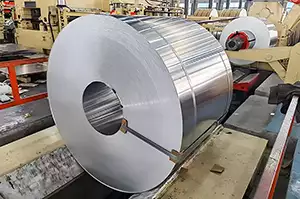
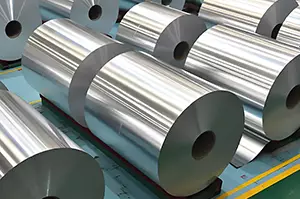
1050 aluminum coil is a commercially pure aluminum product with a minimum aluminum content of 99.5%. It provides good electrical and thermal conductivity, corrosion resistance, high ductility, and reliable formability for electrical, transformer, insulation, reflector, decorative, signage, and general fabrication applications.
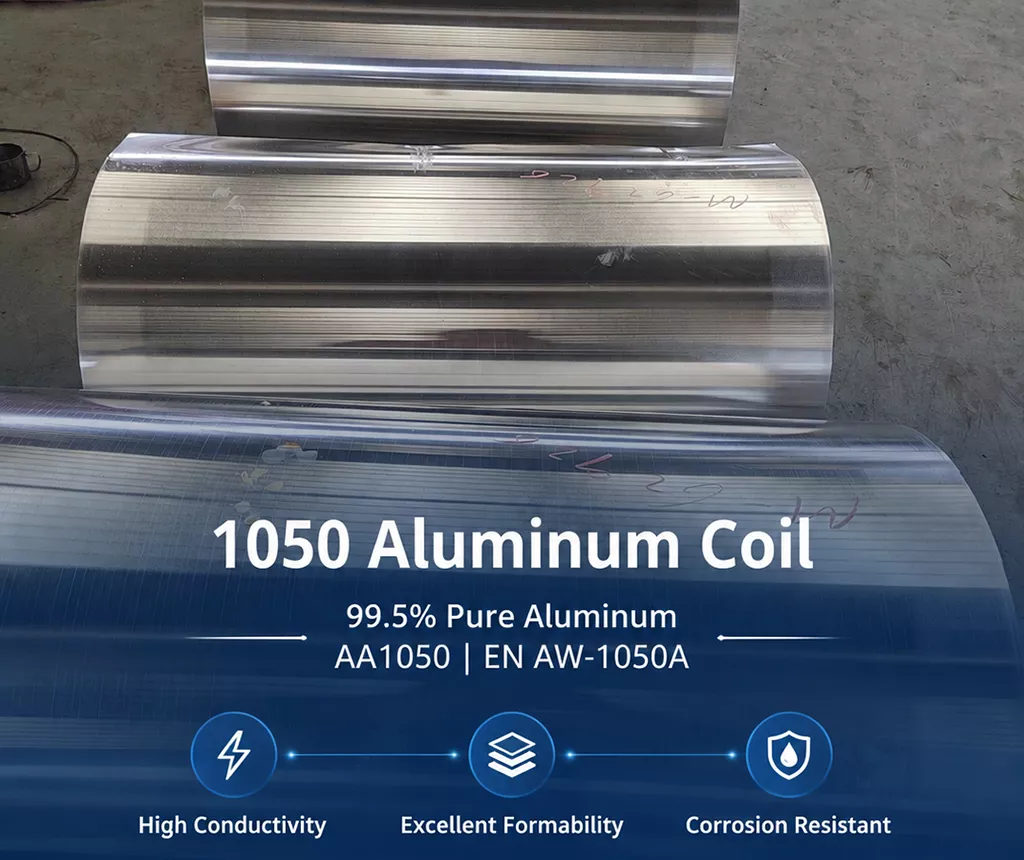
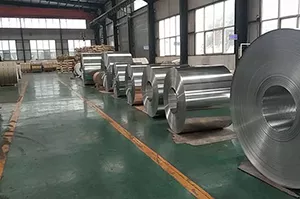
Haomei Aluminum is a professional manufacturer of 1050 aluminum coil, sheet, and strip, providing high-purity aluminum products with stable performance for global industrial applications. With sufficient stock and advanced processing capabilities, we offer customized solutions tailored to your project needs, including slitting, cutting, and surface treatment services.
- 20+ Years Manufacturing Experience
- Exported to 100+ Countries Worldwide
- Trusted by 5000+ Global Clients
- Factory Direct Price – Competitive and Stable Supply
- Delivery Time: 7–25 Days
- Get Quotation Within 12 Hours
What is 1050 Aluminum Coil?
1050 aluminum coil is a commercially pure aluminum alloy. It belongs to the 1000 series aluminum alloys and is widely known for its excellent corrosion resistance, high electrical conductivity, and outstanding formability.
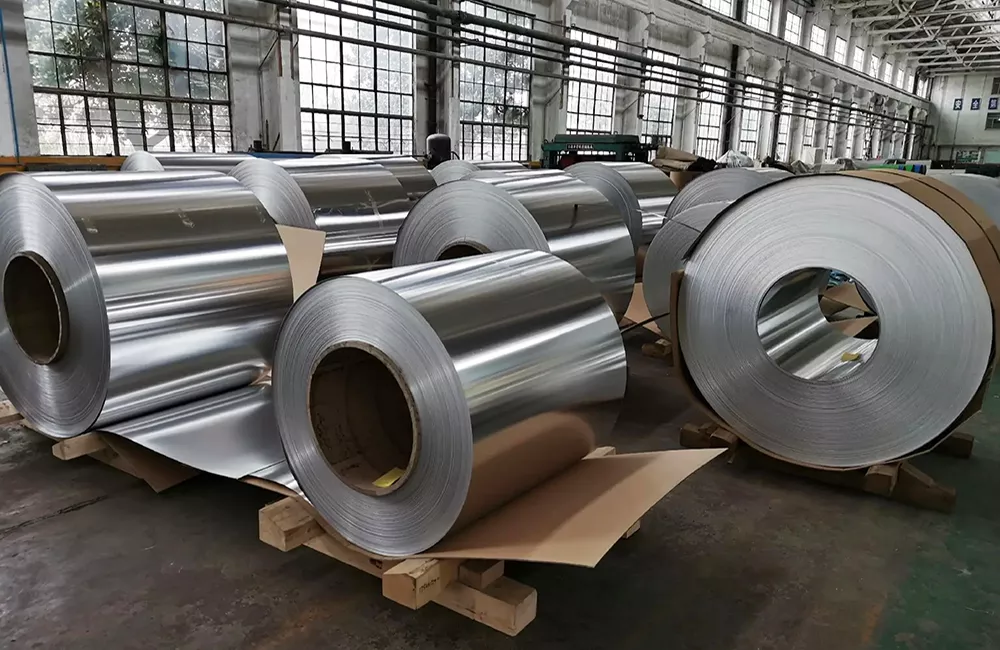
Due to its very high purity, 1050 aluminum coil is particularly suitable for applications that require high conductivity and corrosion resistance, while having relatively low strength requirements.
Although 1050 aluminum coil has relatively low mechanical strength, it remains an ideal choice for the electrical, chemical, and construction industries due to its good electrical conductivity, thermal conductivity, and high reflectivity. In addition, it also has advantages in the manufacturing of heat exchangers and industrial electrical components.
Haomei 1050 Aluminum Coil Product Specifications
| Item | Parameter |
| Thickness Range | 0.10–8.0mm (Common thickness: 0.2–8.0mm; Ultra-thin specification 0.10–0.5mm suitable for precision fields such as printing plate making) |
| Width Range | 20–2650mm |
| Temper Types | H18 (High strength hardened), H24 (Medium strength hardened), O (Annealed) etc. |
| Coil Weight | Customizable |
| Surface Treatment | Bright finish, PE film, or polished surface |
| Standard Compliance | ASTM B209, EN 573, EN 485 |
| Packaging | Wooden pallets, moisture-proof paper, customizable inner/outer diameter options (e.g., inner diameter 75–505 mm) |
| Global Export Support | O, H14, H18 states available, with EN 10204 3.1 certification and logistics support |
Why Choose 1050 Aluminum Coil?
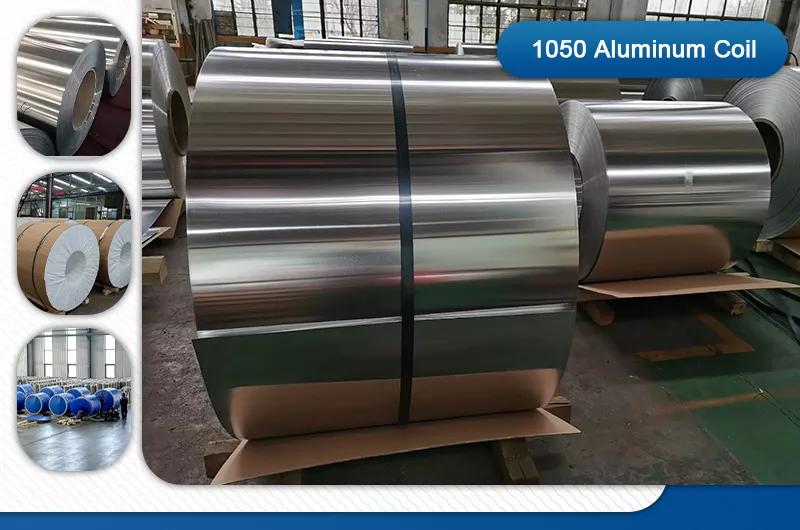
1050 aluminum coil is an economical solution for applications where high electrical or thermal conductivity, corrosion resistance, decorative surface quality, and forming performance are more important than high mechanical strength.
Good Electrical Conductivity
The high aluminum purity of 1050 makes it suitable for selected electrical components, cable-related products, transformer-related applications, conductive parts, and shielding systems where conductivity is important.
Thermal Conductivity
1050 aluminum coil can be used for reflectors, thermal insulation composite systems, heat-transfer components, lamp housings, and selected heat dissipation applications.
Corrosion Resistance
Aluminum naturally forms an oxide layer that provides protection in normal atmospheric environments. Additional anodizing, painting, or coating can be specified when enhanced surface protection is required.
Excellent Formability
O temper 1050 aluminum coil offers good ductility for bending, stamping, drawing, roll forming, and general sheet metal fabrication when proper tooling and processing parameters are used.
Surface Treatment Compatibility
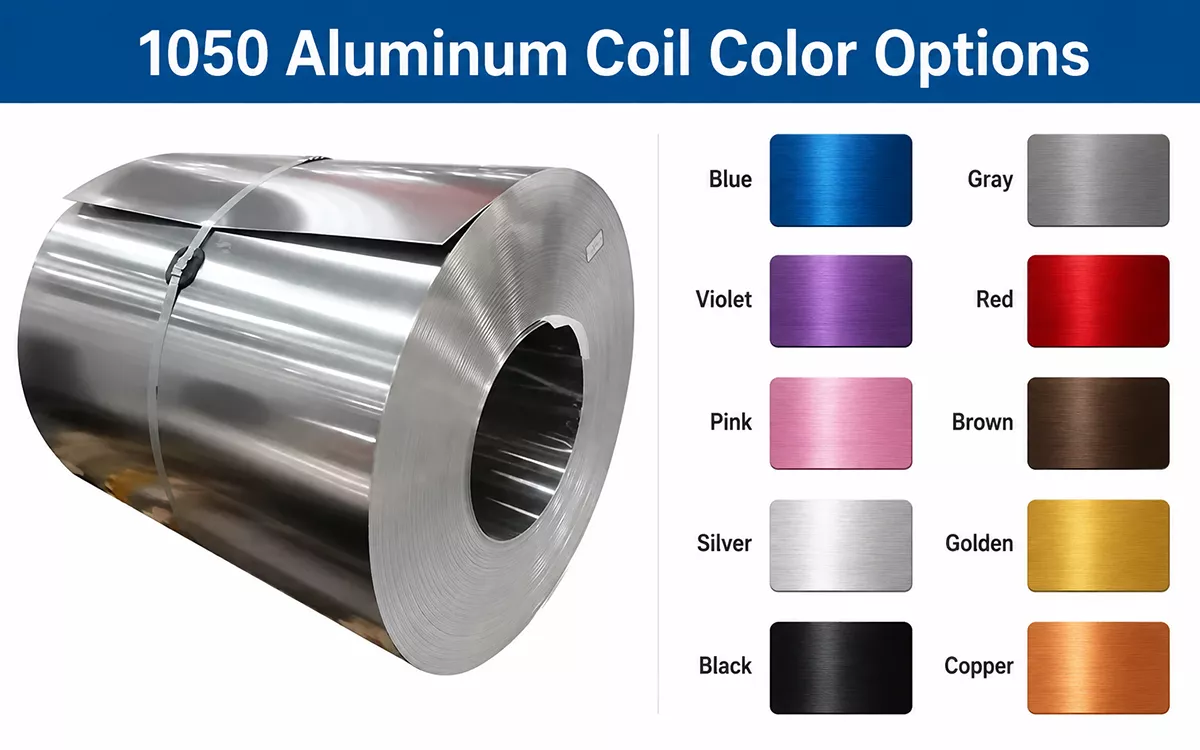
Available surface options include mill finish, PE protective film, painted, color-coated, embossed, brushed, and anodized finishes depending on product specification and application requirements.
Cost-Effective Material
For low-strength, high-formability and general industrial applications, 1050 aluminum coil can offer a practical material solution. Final cost depends on LME price, processing, dimensions, temper, surface, and order volume.
1050 Aluminum Coil Surface Treatment Options
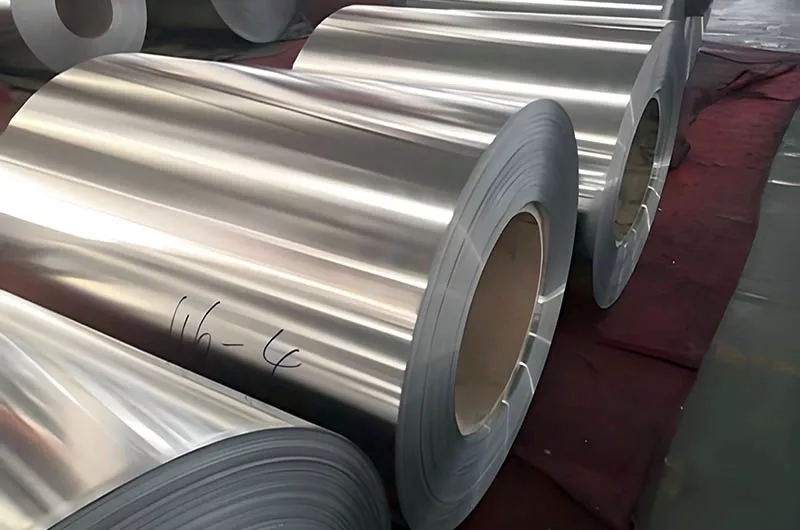
1050 Mill Finish Aluminum Coil
Natural aluminum surface without decorative coating. Suitable for general fabrication, subsequent painting, stamping, slitting, cutting, lamination, or customer-side processing.
View Mill Finish Coil1050 PolySurlyn Laminated Aluminum Coil
PolySurlyn laminated aluminum coil features a bonded polymer moisture barrier layer that provides enhanced corrosion protection, moisture resistance, and surface durability. It is widely used for insulated pipe jacketing, HVAC insulation systems, and applications requiring long-term protection against condensation and environmental exposure.
View PolySurlyn Laminated Coil1050 Color-Coated Aluminum Coil
Color-coated coil can be supplied with PE, HDP, SMP, or PVDF-based coating systems subject to application requirements. Common uses include roofing, wall panels, ceilings, signage, and decorative products.
View Color-Coated Coil1050 Embossed Aluminum Coil
Embossed coil provides a textured appearance and may improve rigidity, decorative appeal, grip, and glare reduction. Common patterns include stucco, orange peel, diamond, and customized embossing.
View Embossed Coil1050 Anodized Aluminum Coil
Anodizing improves surface hardness, decorative appearance, and corrosion resistance. It can be specified for architectural trim, lighting, appliance panels, and selected decorative industrial components.
View Anodized Coil1050 Brushed Aluminum Coil
Brushed aluminum coil provides a linear metallic texture suitable for interior decoration, appliance panels, elevator trim, furniture components, display systems, and selected consumer product surfaces.
View Brushed Coil1050 Aluminum Coil Color Options
1050 Aluminum Coil Chemical Composition
The main component is aluminum (above 99.5%), with trace amounts of iron (≤0.4%), silicon (≤0.25%), and copper (≤0.05%).
| Element | Composition |
| Aluminium | 99.5% min |
| Copper | 0.05% max |
| Iron | 0.4% max |
| Magnesium | 0.05% max |
| Manganese | 0.05% max |
| Silicon | 0.25% max |
| Titanium | 0.03% max |
| Vanadium | 0.05% max |
| Zinc | 0.05% max |
1050 Aluminum Coil Mechanical Properties
| Alloy-Temper | Tensile Strength (ksi) | Yield Strength (ksi) | Elongation (%) |
| 1050-O | 11 | 4 | 40 |
| 1050-H14 | 16 | 15 | 7 |
| 1050-H18 | 23 | 22 | 4 |
1050 Aluminum Coil Physical Properties
- Low density (~2.71 g/cm³), excellent electrical and thermal conductivity;
- High plasticity, good corrosion resistance (naturally forms an aluminum oxide protective layer on the surface);
- Low strength, cannot be strengthened by heat treatment, moderate machinability, but supports contact welding and gas welding.
- Thermal conductivity: 222 W/m·K
- Electrical conductivity: ~61% IACS (International Annealed Copper Standard).
Available Tempers for 1050 Aluminum Coil
Selecting the correct temper is important because it affects forming performance, hardness, strength, flatness, and suitability for subsequent fabrication.
1050-O Aluminum Coil
O temper is the annealed condition. It provides high ductility and is normally selected for deep drawing, bending, stamping, spinning, roll forming, and other applications requiring good deformation capability.
- Excellent formability
- Suitable for complex bending and drawing
- Lower mechanical strength than hard tempers
- Common for general fabrication and electrical uses
1050-H14 Aluminum Coil
H14 is a half-hard temper that provides a practical balance between formability and hardness. It is often used for general sheet metal fabrication, decorative panels, signs, and selected stamped components.
- Moderate strength
- Good general bending performance
- Suitable for many decorative applications
- Popular for panels and fabrication parts
1050-H18 Aluminum Coil
H18 is a full-hard cold-worked condition. It offers increased hardness and tensile strength but lower elongation. It is normally used where extensive forming is not required.
- Higher hardness and strength
- Suitable for flat panels and selected signs
- Reduced ductility compared with O and H14
- Confirm bend radius before fabrication
1050-H24 Aluminum Coil
H24 is a strain-hardened and partially annealed temper. It may be selected where a moderate balance of hardness and formability is needed. Availability and final properties should be confirmed by thickness and standard.
- Moderate work-hardened condition
- Suitable for selected formed components
- Can support decorative and industrial processing
- Confirm final mechanical property range
1050-H12 Aluminum Coil
H12 is a quarter-hard condition used where slightly improved hardness is needed while retaining better formability than H14 or H18. It can be considered for light fabrication and controlled forming operations.
- Light strain-hardened temper
- Better forming ability than H14/H18
- Suitable for selected light-gauge products
- Confirm availability by dimensions
1050-H16 Aluminum Coil
H16 is a three-quarter-hard temper with increased hardness compared with H14. It is suitable for applications requiring improved rigidity while still allowing limited forming depending on bend geometry.
- Higher hardness than H14
- Limited forming capability
- Suitable for selected flat or lightly formed parts
- Check forming test requirements before use
Typical Applications of 1050 Aluminum Coil
Lighting Reflectors and Reflective Parts
Suitable for lamp reflectors, lighting housings, reflector panels, and selected heat-dissipation parts, especially where reflectivity, light weight, and formability are important.
Signage, Nameplates and Display Panels
Commonly used for advertising boards, traffic-related signs, nameplates, decorative panels, display racks, labels, and identification plates after painting, printing, embossing, or anodizing.
Roofing, Cladding and Ceiling Panels
Color-coated or embossed 1050 aluminum coil may be used for selected roofing, wall cladding, ceilings, insulation systems, interior trim, and decorative building products where appropriate.
Insulation and Laminated Composite Materials
1050 aluminum coil can be laminated with insulation materials for thermal insulation, vapor barriers, HVAC duct-related products, and selected transportation insulation systems.
General Stamping and Fabrication
O and H14 tempers are suitable for many non-structural fabricated products, including housings, decorative components, covers, panels, appliance parts, and general sheet metal products.
Electrical and Transformer Components
Used for selected transformer winding-related components, electrical insulation composite systems, conductive parts, busbar-related applications, and cable shielding products where suitable conductivity is required.
Application Limitation:1050 aluminum coil has relatively low mechanical strength. It should not be selected for high-load structural parts, high-pressure vessels, safety-critical components, or severe marine service without a complete engineering assessment. For higher-strength applications, evaluate 3003, 5052, 5083, 6061, or another appropriate alloy.
1050 Aluminum Coil vs. 1060, 3003 and 5052
Different aluminum alloys serve different engineering and commercial requirements. The correct alloy should be selected based on conductivity, corrosion environment, strength, formability, weldability, surface requirements, and budget.
| Alloy | Main Advantage | Typical Consideration |
| 1050 | High purity, good conductivity, corrosion resistance, formability | Lower mechanical strength |
| 1060 | Slightly higher minimum aluminum purity than 1050 | Commercial difference may be small; confirm standard and property needs |
| 3003 | Higher strength than 1050 due to manganese addition | Lower conductivity than 1050 |
| 5052 | Higher strength and improved marine corrosion resistance | Higher material and processing cost than 1050 in many cases |
How to Select the Correct Alloy
- Choose 1050 when conductivity, purity, formability, and cost efficiency are key.
- Choose 1060 when the project specifically requires its purity level or relevant standard designation.
- Choose 3003 when moderate strength is needed while maintaining good corrosion resistance and workability.
- Choose 5052 when higher strength, fatigue resistance, or marine corrosion resistance is required.
- Always verify mechanical properties, thickness, temper, surface, fabrication method, and end-use environment.
Need help choosing between similar pure aluminum grades? Compare 1050 and 1060 Aluminum
Why Choose Our 1050 Aluminum Coil?
- Over 20 years of manufacturing experience
- Strict quality control (ISO certification)
- Support for customized sizes with fast delivery
- Highly competitive factory prices
- Products exported to more than 100 countries worldwide
1050 Aluminum Coil Quality Control and Certification
Quality requirements should be confirmed before production, especially for electrical, printing plate, coated, decorative, slit strip, and precision fabrication applications. Our inspection process can be aligned with the agreed order specification and applicable material standard.
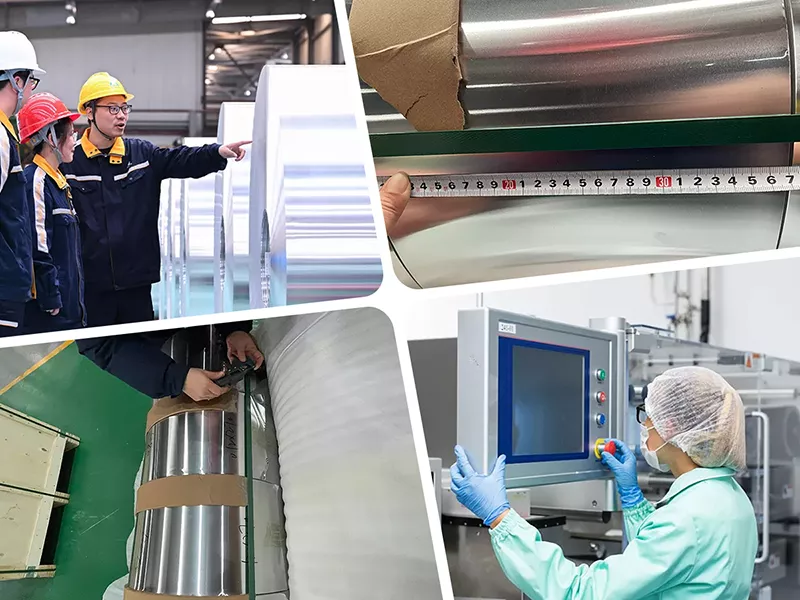
- Raw material and aluminum composition verification
- Thickness measurement and tolerance inspection
- Width, coil ID, coil weight and slitting-width verification
- Surface inspection for scratches, oil marks, dents, oxidation and coating defects
- Mechanical property testing where required by specification
- Burr-control inspection for aluminum coil
- Coating thickness, color, gloss and adhesion control for coated products
- Packaging inspection before container loading and export shipment
Important: ISO 9001 certification, third-party inspection, RoHS, REACH, food-contact declarations, coating certificates, and other compliance documents should only be stated or supplied when they are genuinely available for the specific product and order.
1050 Aluminum Coil Production Process
Raw Material Preparation
High-purity aluminum raw materials are prepared according to the chemical composition requirement for 1050 alloy.
Melting and Refining
Aluminum is melted and refined to control impurities and gases before casting into suitable slabs or billets.
Casting
Refined molten aluminum is cast into slabs or billets for subsequent hot rolling and cold rolling operations.
Hot Rolling
The cast material is processed through hot rolling to reduce thickness and prepare the material for further rolling.
Cold Rolling and Annealing
Cold rolling achieves the required gauge, while annealing is used where needed to obtain the requested temper and formability.
Slitting and Surface Finishing
Coils may be slit, cut, coated, embossed, brushed, film-laminated, or otherwise finished according to the agreed specification.
Final Inspection
Thickness, width, surface, temper, edge condition, coil dimensions, and packaging requirements are inspected before shipment.
Export Packaging and Delivery
Finished coils are protected with moisture-proof packaging and secured for sea, land, rail, or air transportation as required.
1050 Aluminum Coil Packaging and Shipping
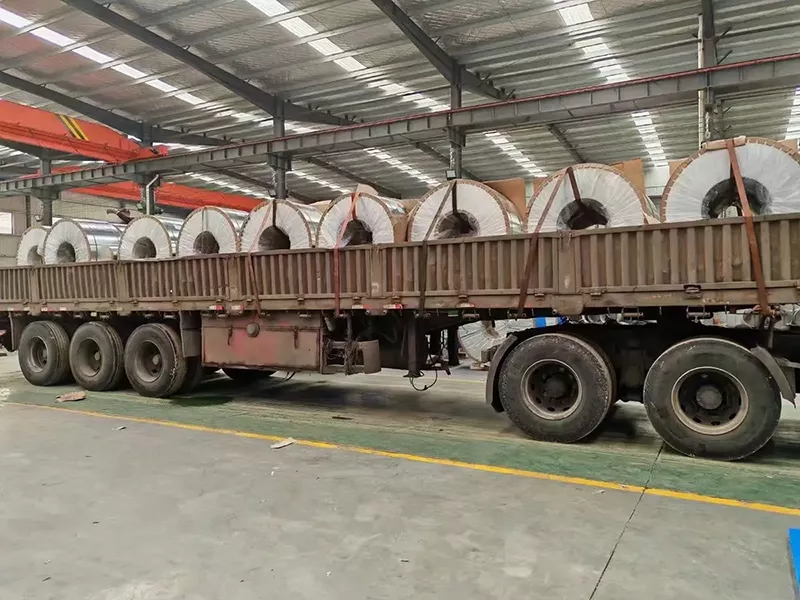
Proper packaging is essential to prevent moisture damage, corrosion, edge damage, deformation, and surface scratches during transportation. Packaging methods can be adjusted based on coil dimensions, container loading method, destination, and customer handling requirements.
Moisture Protection
Coils can be wrapped with moisture-proof paper and plastic film to help protect the material from humidity, condensation, and contamination during long-distance transport.
Edge and Surface Protection
Protective layers, edge protectors, coil wrapping, PE film, and suitable handling methods can reduce the risk of scratches, dents, and edge damage.
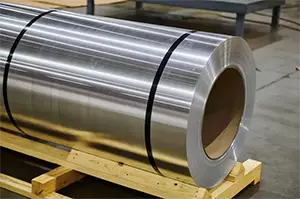
Wooden Pallet Support
Export coils can be fixed on suitable pallets or wooden supports to improve stability during warehouse handling, container loading, and unloading.
Eye-to-Wall or Eye-to-Sky
Coil orientation can be arranged as eye-to-wall or eye-to-sky according to coil size, loading safety, destination requirements, and customer unloading equipment.
Custom Marking
Coil labels may include alloy, temper, thickness, width, coil weight, order number, heat number, package number, and customer-required identification information.
Global Logistics Support
Delivery can be arranged according to FOB, CIF, CFR, EXW, or other agreed Incoterms. Shipping schedules depend on port, destination, cargo volume, and freight availability.
FAQ – 1050 Aluminum Coil
What is 1050 aluminum coil?
1050 aluminum coil is a commercially pure aluminum coil with a minimum aluminum content of 99.5%. It belongs to the 1000 series aluminum alloys and is known for excellent formability, corrosion resistance, thermal conductivity, electrical conductivity, and economical processing characteristics.
What is the difference between 1050 and 1060 aluminum coil?
Both 1050 and 1060 are 1xxx series commercially pure aluminum alloys. 1050 generally contains a minimum of 99.5% aluminum, while 1060 generally contains a minimum of 99.6% aluminum. Material selection depends on applicable standards, purity requirements, conductivity, surface quality, dimensions, temper, and project conditions.
What tempers are available for 1050 aluminum coil?
Common tempers include O, H12, H14, H16, H18, and H24. O temper provides the highest formability, H14 offers a balance of strength and formability, while H18 provides higher hardness with lower elongation. The suitable temper depends on the final application and processing requirements.
Can 1050 aluminum coil be slit into narrow aluminum strips?
Yes. 1050 aluminum coil can be slit into narrow strips according to required width, coil ID, coil weight, edge condition, burr requirements, and packaging method. For electrical or precision applications, customers should specify slit-edge quality and dimensional tolerances before ordering.
Is 1050 aluminum coil suitable for transformer winding?
1050 aluminum can be used for selected transformer and electrical applications due to its commercially pure composition and good conductivity. However, transformer winding requirements vary depending on equipment design, conductivity specifications, strip edge quality, insulation system, and applicable standards. Technical requirements should be confirmed before ordering.
Can 1050 aluminum coil be anodized?
Yes. 1050 aluminum coil can be anodized to improve decorative appearance, surface hardness, and corrosion resistance. Anodized 1050 aluminum coil is commonly used for architectural trim, decorative panels, appliance components, lighting products, and other industrial applications.
What is the minimum order quantity for 1050 aluminum coil?
The standard MOQ for 1050 aluminum coil can start from approximately 5 tons. The final MOQ depends on thickness, width, temper, surface treatment, color requirements, coil ID, processing requirements, and whether the material is available from stock or produced to order.
Can you provide MTC or EN 10204 3.1 certification?
Yes. Mill Test Certificates (MTC) and EN 10204 3.1 certification can be provided upon request according to the agreed order specification and production requirements. Please confirm certificate requirements before order placement.
What information is needed to quote 1050 aluminum coil?
Please provide alloy, temper, thickness, width, coil weight, coil ID, surface finish, quantity, required standard, dimensional tolerances, packaging requirements, destination, and final application. Drawings or technical specifications are recommended for customized orders.
Is 1050 aluminum coil suitable for high-strength structural applications?
Generally, no. 1050 aluminum coil has relatively low mechanical strength compared with alloys such as 3003, 5052, 5083, and 6xxx series aluminum. It is mainly selected for applications requiring high purity, conductivity, corrosion resistance, and formability rather than heavy-load structural performance.
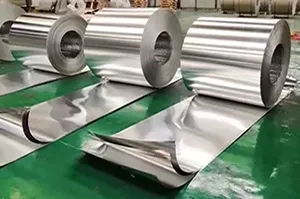
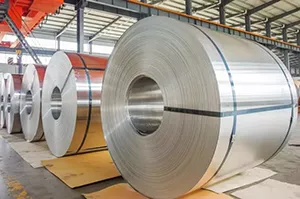
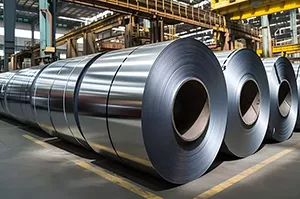
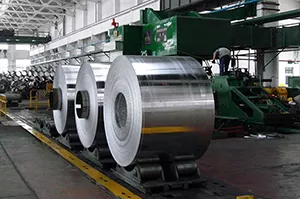
Explore Different Aluminum Coil Grades
Further reading
- 1050 Aluminum Plate Sheet
- 1050 Aluminum Strip
- 1050 h14 aluminium sheet plate
- Aluminium 1050 h24
- 1050 Aluminum Disc Circle
- 1050 H18 Aluminium
- 1050 O Aluminum
- 1050 H112 Aluminum
- 1050 H12 Aluminum
- 1050 H16 Aluminum
- 1050 H22 Aluminum
- 1050 H26 Aluminum
- 1050 Aluminum Foil
Users viewing this material also viewed the following
- 1050 H14 Aluminium Circle For Road Sign
- 1050 O Aluminium Strips for Transformers Winding
- 1050 Aluminum Mirror Sheet Coil
- 1050 Embossed Aluminum Sheet
- Hemispherical embossed aluminum sheet coil 1050 1060 1100 for automotive heat shield
- 1050 Color Coated Aluminum Sheet Coil
- 1050 Aluminum Tread Checkered Plate
- 1050 Sublimation Aluminum Sheet
Recommended Content