
Haomei Aluminum manufactures and supplies aluminum foil for lamination, serving flexible packaging, building insulation, HVAC systems and other industrial applications. As a foil material supplier, we tailor alloy, temper, thickness, width and roll dimensions to the requirements of each lamination process.
Aluminum foil provides a barrier against light, moisture and gases when properly incorporated into a laminate. Depending on the end-use requirements, it can be combined with paper, PE, PET and other substrates to produce structures such as aluminum-plastic laminated foil and aluminum foil laminated paper. The other layers contribute properties such as printability, stiffness, tear resistance and heat sealability.
The appropriate foil specification depends on the intended application, converting process and required performance of the finished material—not simply the number of layers.
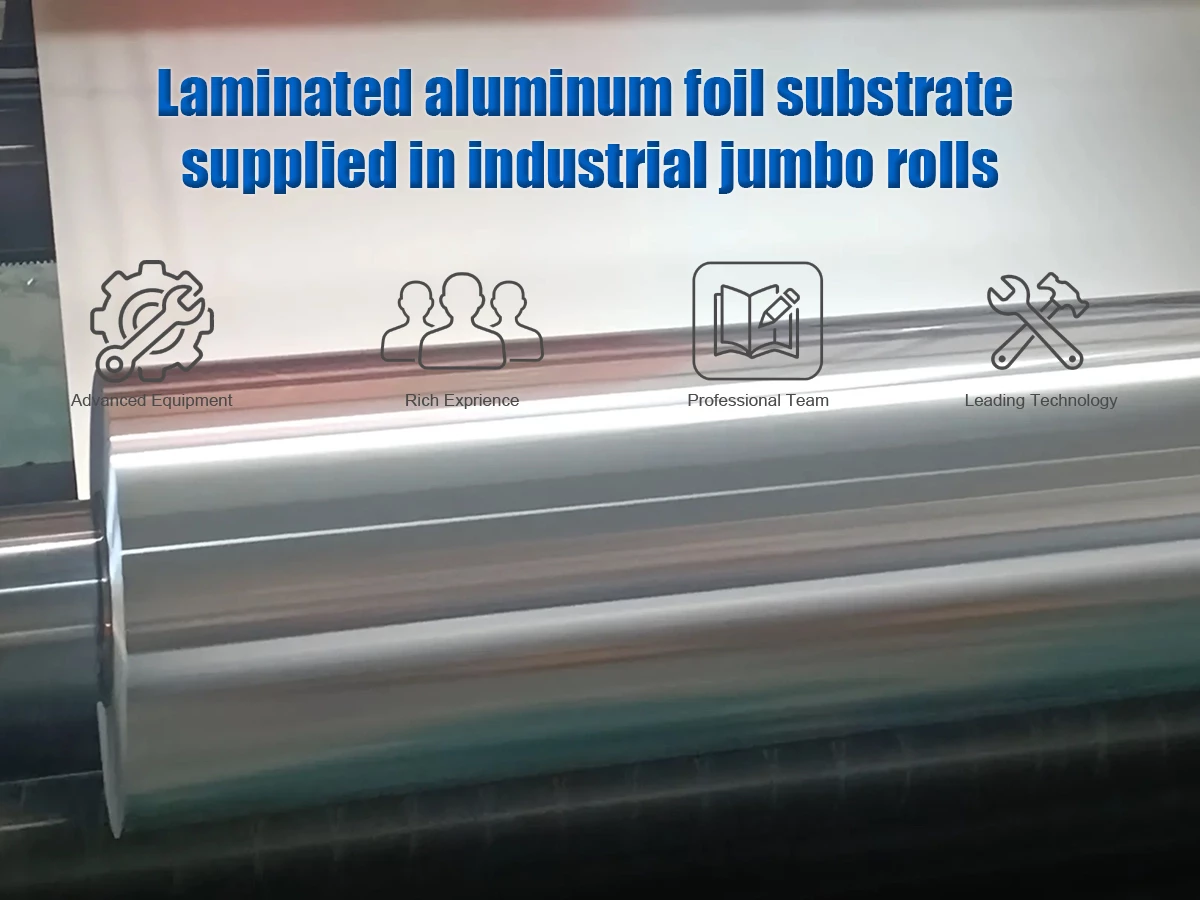
- Aluminum Alloys
- 1235 / 8011 / 8079
- Temper
- O / Selected H Tempers
- Typical Packaging Gauge
- 6–20 μm
- Supply Format
- Jumbo / Slit Rolls
- Core ID
- 76 / 152 mm or Custom
- Customization
- Thickness / Width / Finish
What Is Laminated Aluminum Foil?
Laminated aluminum foil is a composite material in which a thin aluminum foil layer is bonded to one or more other materials. Depending on the end use, the accompanying layers may include plastic films such as PET or PE, paper or kraft paper, foam, bubble material or woven fabric.
Lamination may use adhesive bonding, extrusion-based bonding or another compatible process. The selected method depends on the substrates, required bond strength, temperature conditions and intended use of the finished structure.
The aluminum layer provides a strong barrier against light and can substantially reduce the transmission of moisture, oxygen and other gases when the foil remains intact. The performance of the complete laminate also depends on foil integrity, pinholes, bonding quality, edge construction and package sealing.
- Aluminum foil: Provides the principal metallic barrier layer.
- Paper or kraft paper: Adds stiffness, a paper-based surface and handling support.
- Plastic film: Can improve flexibility, surface protection, printability or heat-sealing performance, depending on the polymer.
- Foam or woven reinforcement: Can improve cushioning or mechanical handling in application-specific structures.
- Adhesive or bonding layer: Joins the substrates and must be compatible with their materials and operating conditions.

Laminated Aluminum Foil Structures and Material Options
The structure of laminated aluminum foil depends on the properties required in the finished material. Paper can add stiffness and printability, plastic films can provide sealing or mechanical support, and aluminum foil serves as a barrier layer. For this reason, aluminum foil laminated paper, aluminum plastic laminated foil and other multilayer aluminum foil laminates may use different layer combinations even when they serve similar applications.
Aluminum Foil Laminated Paper
Bonding aluminum foil to kraft paper or other paper grades creates a reinforced material with more body than foil alone. Paper-based laminates are commonly considered for insulation facings, industrial protective layers and selected packaging materials.
Aluminum Plastic Laminated Foil
In an aluminum-plastic laminate, aluminum foil may be combined with PET, PE or other compatible polymer films. The foil provides a metallic barrier, while the polymer layer can contribute flexibility, surface protection, printability or sealing functionality.
For flexible packaging foil requirements, see Haomei's flexible packaging aluminum foil.
Multilayer Aluminum Foil Laminate
A multilayer aluminum foil laminate may combine metal foil, polymer films, paper and functional bonding layers. Structures such as PET/aluminum foil/PE are examples of common layer arrangements, rather than universal designs.
| Material Structure | Typical Layer Arrangement | Function of the Layers | Common Applications |
| Aluminum Foil Laminated Paper | Paper / Aluminum Foil Paper / Aluminum Foil / PE | Paper provides a printable, relatively stiff outer layer, while aluminum foil adds a barrier against light, moisture and gases. Where included, PE can provide additional moisture resistance or a heat-sealable surface. | Confectionery wrappers, food wrapping materials and folding packaging |
| Aluminum Plastic Laminated Foil | PET / Aluminum Foil / PE | PET can provide printability and mechanical support, the foil layer contributes barrier performance, and PE can serve as an inner sealing layer. The selected construction depends on the packaging and converting requirements. | Coffee and tea packs, dry-food packaging and flexible pouches |
| Multilayer Aluminum Foil Laminate | PET / Aluminum Foil / PA / PE, or other application-specific combinations | Multiple layers are selected to balance barrier requirements, mechanical strength, puncture resistance and heat sealing. The final performance depends on the materials, layer thicknesses and bonding process. | Flexible packaging requiring a combination of barrier and mechanical properties |
| Insulation-Facing Foil Laminate | Aluminum Foil combined with Kraft paper, scrim, foam, bubble layers or woven substrates | The foil provides a reflective surface and can act as a barrier layer. Supporting materials add reinforcement, separation or cushioning, depending on the insulation structure. | Roof and wall insulation assemblies, HVAC insulation systems and reflective insulation products |
Material selection: Haomei Aluminum supplies aluminum foil substrate for lamination, with alloys such as 1235, 8011 and 8079 available for suitable applications. Alloy, temper, foil thickness, width and roll dimensions can be selected according to the lamination process and end-use requirements. Paper, polymer films and reinforcement layers are incorporated separately to form the required composite structure.
Need Aluminum Foil for a Lamination Project?
Send Haomei Aluminum your foil specifications, roll dimensions and intended application. We will review the material requirements and confirm a suitable supply scope for your project.
Contact Haomei AluminumCharacteristics of Laminated Aluminum Foil
Barrier Against Light, Moisture and Oxygen
Aluminum foil serves as the barrier layer in a laminate, blocking light and helping reduce the transmission of moisture, oxygen and aroma compounds. Barrier performance depends on foil thickness, pinhole levels, bonding quality and the condition of the finished laminate during converting and use.
Added Strength from Paper and Film Layers
Laminating aluminum foil with paper, PET, PE or other suitable substrates changes its handling and mechanical properties. Depending on the combination, these layers can improve stiffness, tear resistance and dimensional stability during printing, slitting and further processing.
Surface Options for Printing and Heat Sealing
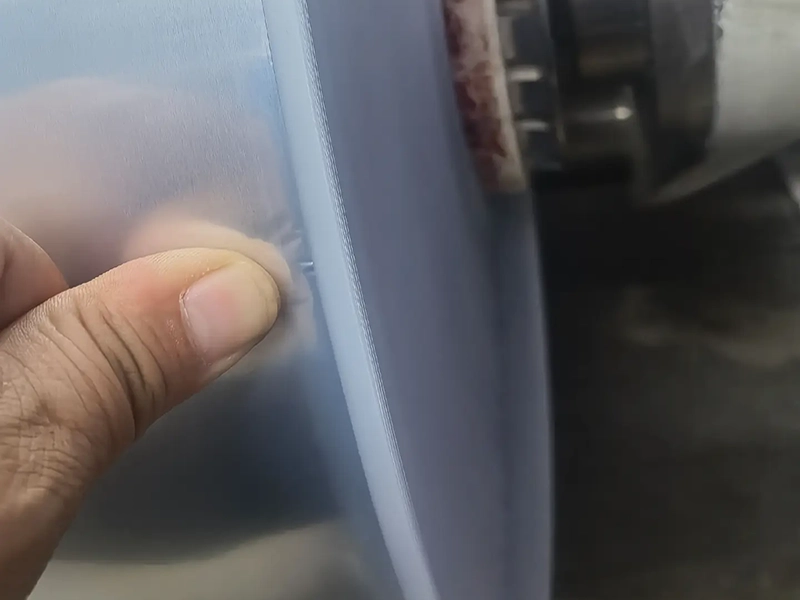
The surface of a laminated aluminum foil structure can be adapted for printing, adhesive bonding or heat sealing through suitable coatings, primers and polymer layers. The choice depends on the substrate, lamination process and end-use requirements. In conventional heat-sealable structures, the seal is generally formed by a compatible polymer layer rather than bare aluminum foil alone.
Fold Retention and Flexibility
Aluminum foil can retain a crease after bending, a property commonly known as dead fold. In a multilayer laminate, however, fold retention and flexibility also depend on foil thickness and temper, the stiffness of the paper or film, and the flexibility of the bonding layer. These factors influence how the material bends, springs back and withstands repeated handling.
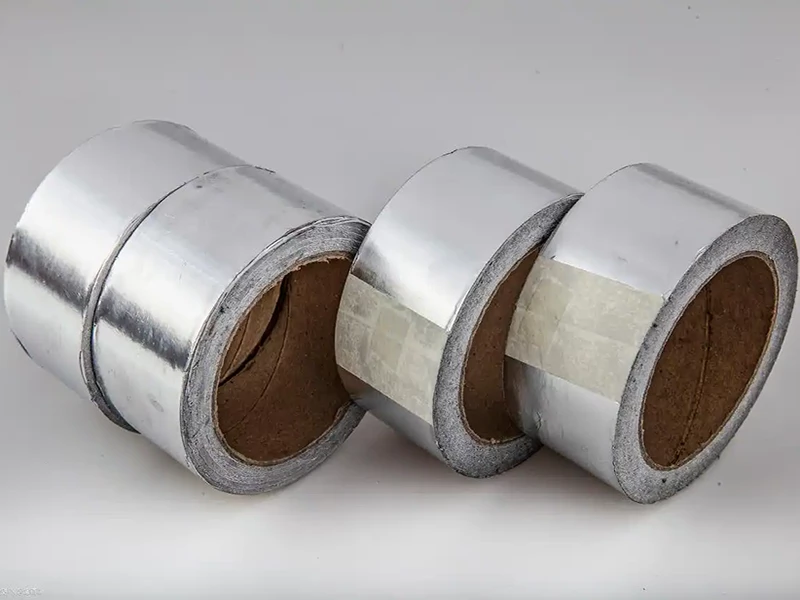
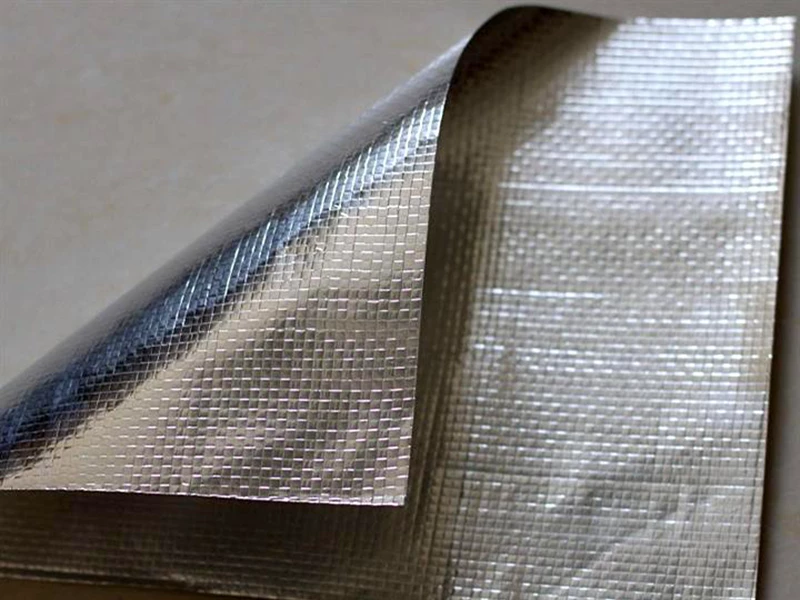
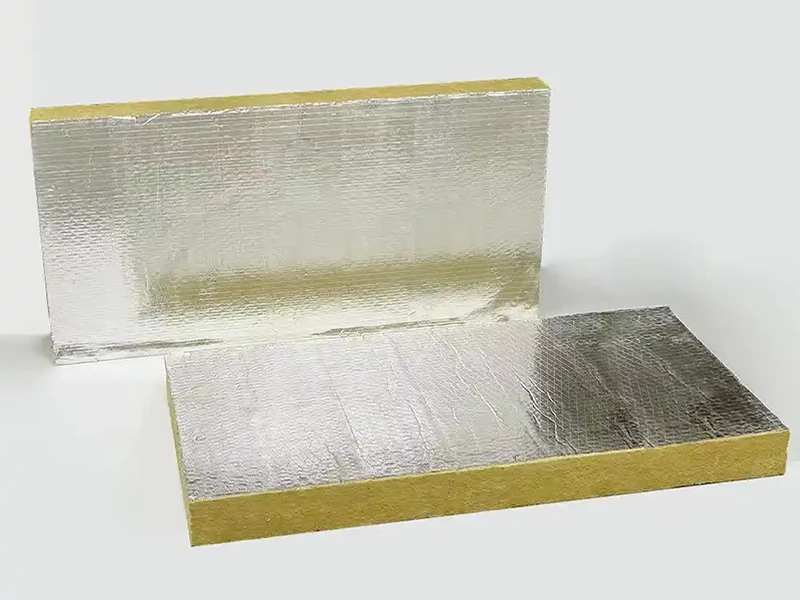
Where Is Laminated Aluminum Foil Used?
Aluminum foil is commonly selected as one functional layer within a larger material system. The right alloy, thickness and laminate construction depend on how the complete product will be processed and used.
Flexible Packaging Materials
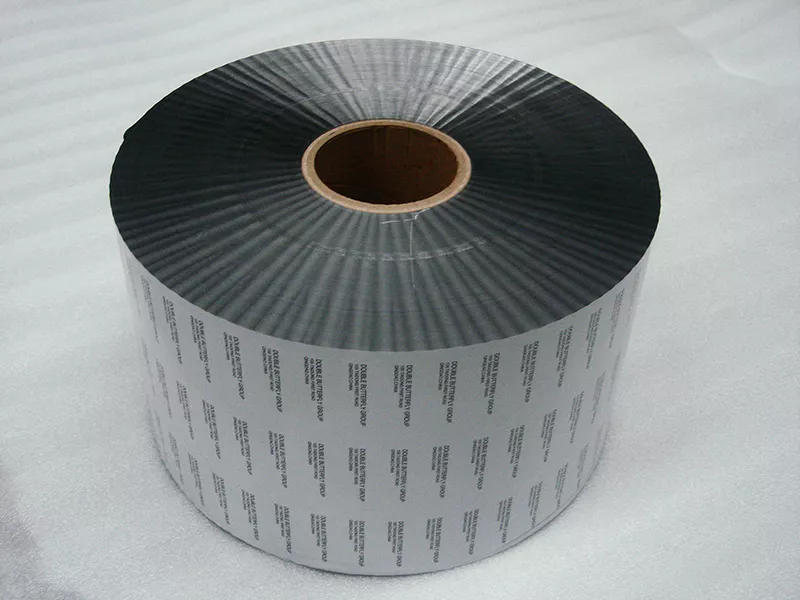
Foil-based laminates are used in material structures for coffee and tea packaging, confectionery wrappers, sachets, barrier pouches and pharmaceutical packaging. Packaging converters select the foil according to barrier needs, forming conditions and the compatibility of adjacent materials.
Explore flexible packaging aluminum foilBuilding and Thermal Insulation
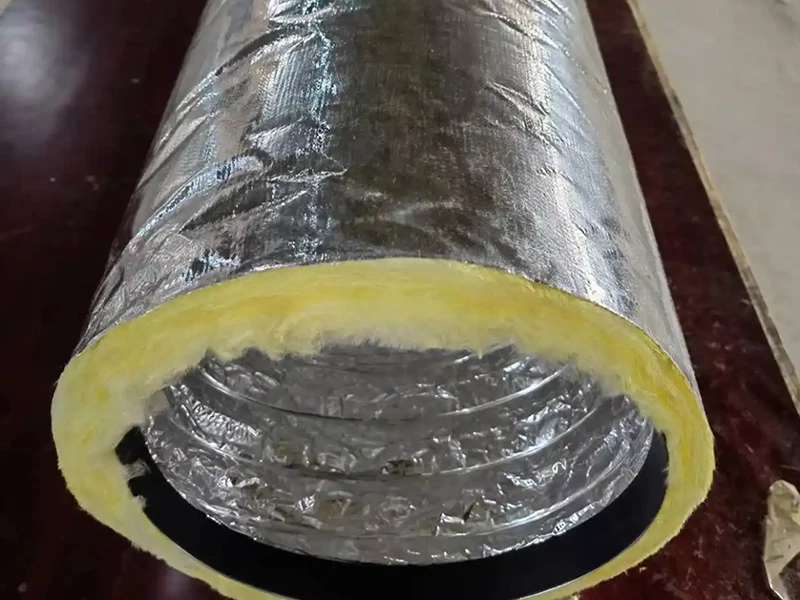
Aluminum foil can be laminated to paper, foam, bubble material or fabric for reflective insulation facings, roofing assemblies, wall systems and other building applications. It works as part of an appropriately designed insulation assembly rather than replacing all other insulation materials.
Explore aluminum foil for insulationHVAC and Equipment Covering
Foil-based composite materials can be used for duct insulation facings, pipe coverings and industrial equipment insulation. Selection depends on the operating temperature, exposure conditions, facing durability and requirements of the full insulation system.
View aluminum foil for roofing and reflective insulationIndustrial and Food-Service Converting
Foil and reinforced foil materials can serve as feedstock for industrial wrapping and food-service conversion into rolls or sheets. Finished-use suitability depends on the full material construction, applicable regulations and the customer's converting process.
Haomei's quoted supply form and processing scope should be confirmed according to the project requirements.
Haomei Aluminum Foil Substrate for Lamination Applications
The performance of a laminated material starts with the properties of its individual layers. Haomei Aluminum supplies aluminum foil for lamination projects, with specifications selected to suit the intended structure, converting process and finished material requirements.
Aluminum Foil Matched to Your Lamination Process
Haomei manufactures aluminum foil, coil, sheet and strip for packaging and industrial applications. For laminated materials, our focus is the aluminum foil layer rather than the complete paper-and-plastic composite. Alloy, temper, foil gauge and roll dimensions can be discussed according to the requirements of the project.
When requesting a quotation, please provide the intended application, laminate structure, target foil thickness and width, along with any specific requirements for surface quality or downstream processing. These details help us assess the suitable material specification and confirm what can be supplied.
For projects involving aluminum foil laminated paper, aluminum-plastic laminates or multilayer flexible packaging, the foil specification should be considered together with the other layers and the converting conditions.
Specifications to Confirm Before Ordering
- Alloy and temper: Selected according to application and processing requirements.
- Foil thickness: Target gauge and agreed thickness tolerance.
- Roll dimensions: Required width, core inner diameter and roll dimensions.
- Surface requirements: Applicable finish, cleanliness and agreed quality criteria.
- Supply format: Jumbo rolls or slit rolls, subject to specification and order confirmation.
- Quality and shipment: Inspection documentation and export packing requirements.
Please distinguish between aluminum foil substrate and ready-laminated material when preparing your inquiry. Paper or plastic film lamination, adhesive or lacquer coating, printing and finished die-cut formats require separate confirmation of the manufacturing scope.
Discuss Your Aluminum Foil Requirements with HaomeiOther Aluminum Foil Products from Haomei
Depending on the surface finish and performance requirements, another foil material may be more suitable for your project.
Flexible Packaging Aluminum Foil
Foil substrate for packaging converters producing multilayer packaging materials.
View flexible packaging foilColor Coated Aluminum Foil
Aluminum foil with a specified coating and surface finish for selected functional or decorative applications.
View color coated aluminum foilEmbossed Aluminum Foil
Textured foil for selected insulation, laminating, equipment-covering and industrial applications.
View embossed aluminum foilFAQ – Laminated Aluminum Foil
What is laminated aluminum foil?
Laminated aluminum foil is a composite material made by bonding aluminum foil to another substrate, such as plastic film, kraft paper, foam or woven fabric. The complete structure is selected according to the required barrier performance, handling properties and end use.
What materials can aluminum foil be laminated with?
Depending on the application and process compatibility, aluminum foil can be laminated with PET, PE, other polymer films, kraft paper, paperboard, foam, bubble material or woven fabric. The bonding method and layer sequence should be selected according to the intended use.
What aluminum alloy and thickness are suitable for lamination?
Aluminum alloys 1235, 8011 and 8079 are potential options for selected foil applications. For many flexible packaging structures, 6–20 μm is a useful starting range. The appropriate alloy, temper and thickness depend on the end use, lamination process and converting requirements.
Can aluminum foil laminated paper be used for insulation?
Yes. Aluminum foil laminated paper can be used as a facing material in selected reflective insulation and industrial covering systems. Its suitability depends on the paper grade, foil integrity, adhesive, installation conditions and the design of the complete assembly.
Is laminated aluminum foil heat-sealable?
Heat-seal performance depends on the compatible sealant, coating or polymer layer incorporated into the laminated structure. Bare aluminum foil alone is not normally sufficient for conventional polymer-to-polymer heat sealing. The selected structure must match the sealing conditions and the materials being joined.
What information is needed for a laminated aluminum foil quotation?
Please provide the intended application, specified alloy and temper, foil thickness, width, roll dimensions, estimated order quantity and required quality documents. For composite projects, also include the layer sequence, adjacent materials, bonding process and target performance requirements. Haomei Aluminum can use these details to evaluate the appropriate aluminum foil substrate specifications.
What is the difference between laminated foil and ordinary aluminum foil?
Ordinary aluminum foil consists of a single aluminum layer, while laminated aluminum foil combines aluminum with another material. This composite construction can combine the barrier properties of aluminum foil with features such as paper stiffness, film toughness, improved handling or heat-seal functionality, depending on the materials and structure selected.