
Haomei Aluminum supplies aluminum foil raw material for roofing, attic radiant barriers, reflective insulation systems and selected coated roofing applications. We manufacture foil in jumbo rolls and slit rolls so the material can be converted into roofing and insulation assemblies according to the required structure.
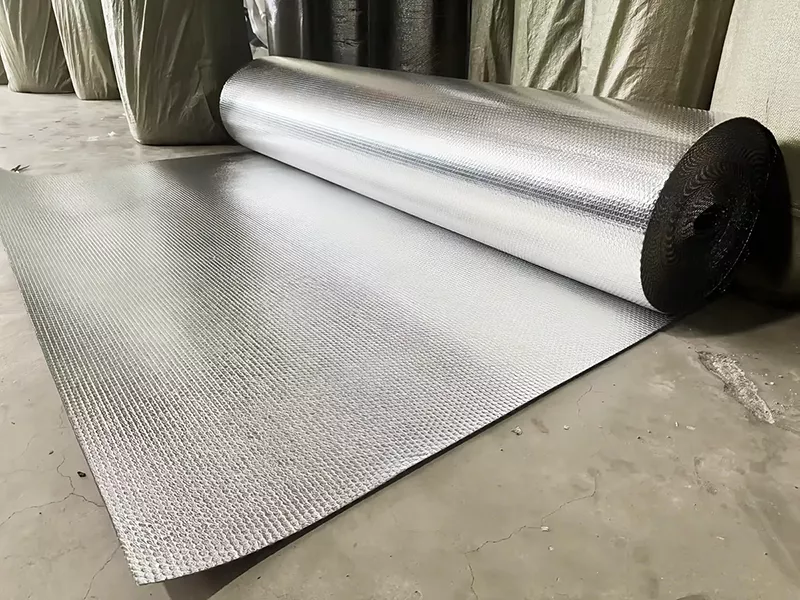
- Alloys
- 8079, 8011, 1200, 1050, 1100
- Supply Forms
- Jumbo Rolls and Slit Rolls
Aluminum foil is used in roof insulation to help limit radiant heat transfer. It works best as part of a complete insulation system, complementing materials such as mineral wool, fiberglass or rigid foam rather than replacing them.
Lightweight and flexible, aluminum foil for roof insulation can be laminated to insulation boards or incorporated into reinforced membranes. Backings and protective layers can improve handling and durability, but any coating on the exposed foil surface may affect its emissivity.
Roof Insulation Aluminum Foil Grades Available from Haomei
At Haomei Aluminum, we supply aluminum foil substrate for roofing, insulation and reflective laminate production. The suitable grade is selected according to the converting process, required temper and thickness, surface condition, coating or lamination method, and the mechanical performance needed during production.
8079 Coated Roofing Foil
8079 aluminum foil can be specified for roofing structures where the foil will be coated, laminated or otherwise converted into a multilayer reflective material.
For alloy characteristics and available supply options, see our 8079 aluminum foil page.
8011 Roof Insulation Foil
8011 aluminum foil is available for converters producing supported insulation facings and reflective roofing structures.
Detailed substrate information is available on our 8011 aluminum foil product page.
1200 Reflective Aluminum Foil
1200 aluminum foil can be considered for reflective facing applications where the foil surface becomes part of the finished insulation structure.
See our 1200 aluminum foil specifications for substrate details.
1050 Roof Insulation Foil
1050 aluminum foil may be selected for roofing and insulation structures where the converter requires a high-purity aluminum substrate with suitable surface and forming characteristics.
For further substrate information, visit our 1050 aluminum foil page.
1100 Roofing Foil
1100 aluminum foil can be supplied for roofing applications that require a balance between foil handling, formability and surface performance.
Learn more about the alloy and available foil products on our 1100 aluminum foil page.
Custom Roofing Aluminum Foil Specifications
Roofing converters may require a specification that does not fit a standard stock combination. Haomei can discuss the required alloy, temper, thickness, width, coil dimensions, surface condition and supply form before production, particularly for coating, laminating, slitting or other downstream processes.
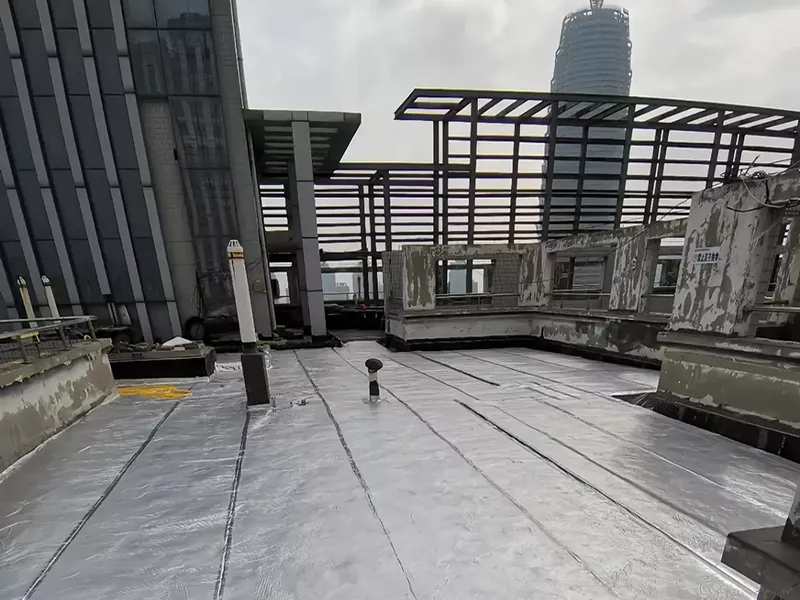
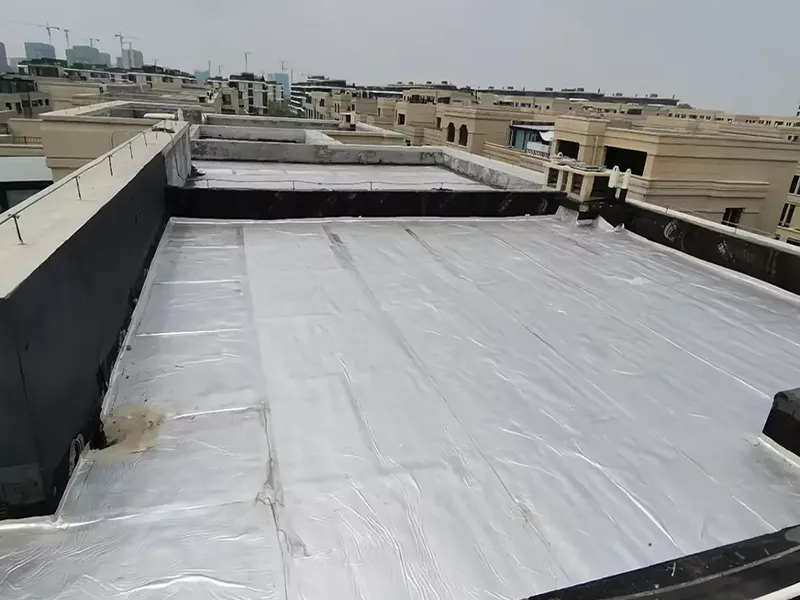
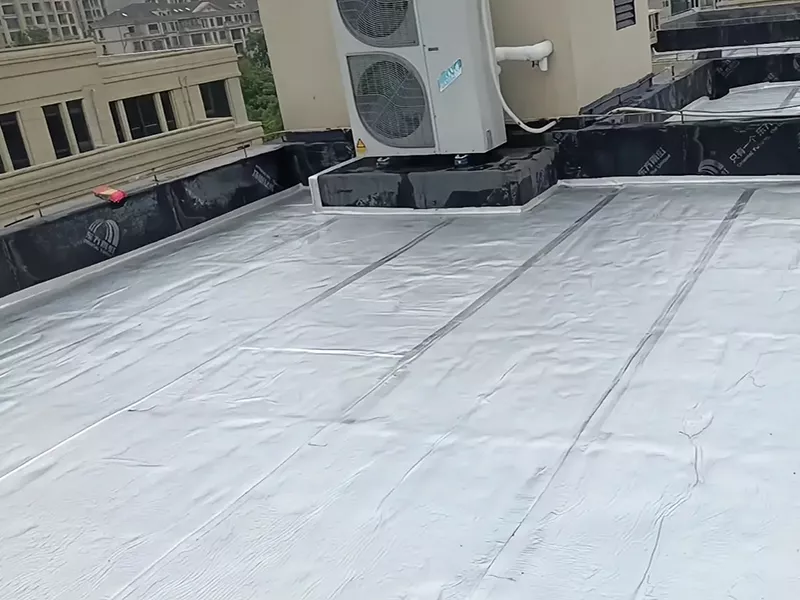
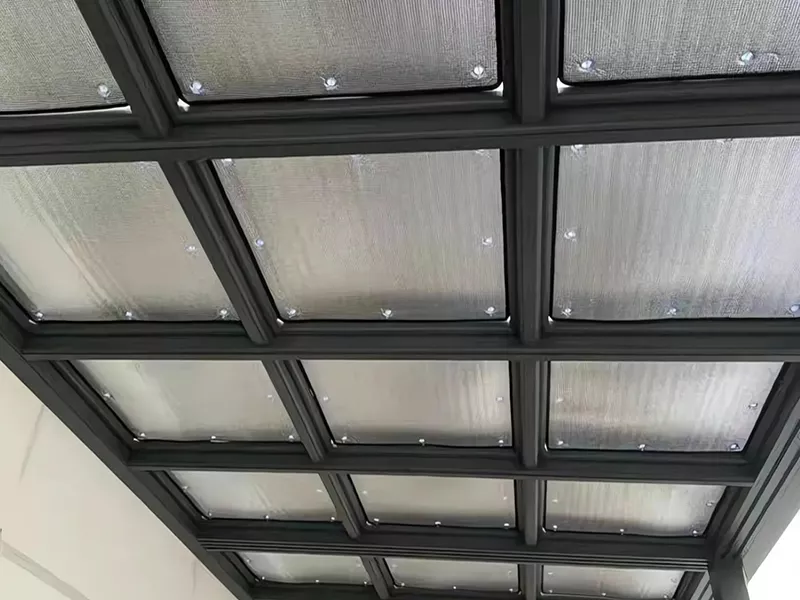
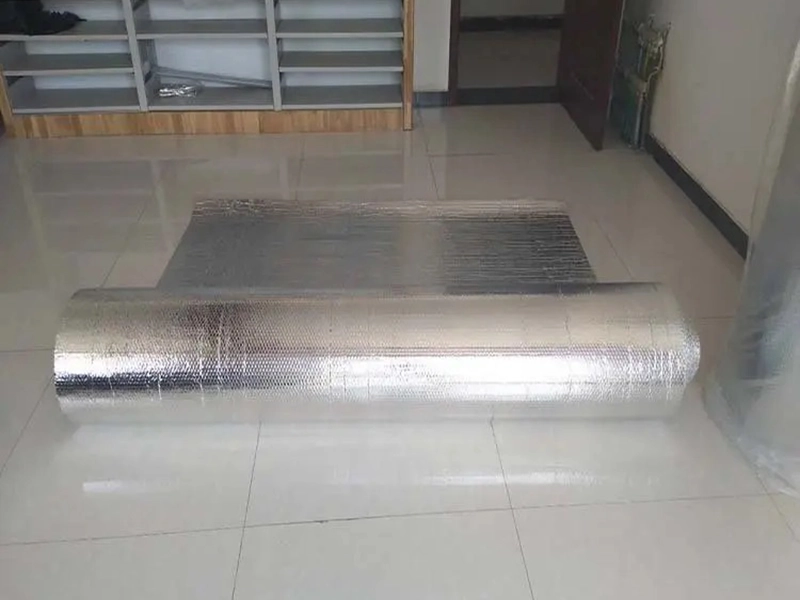
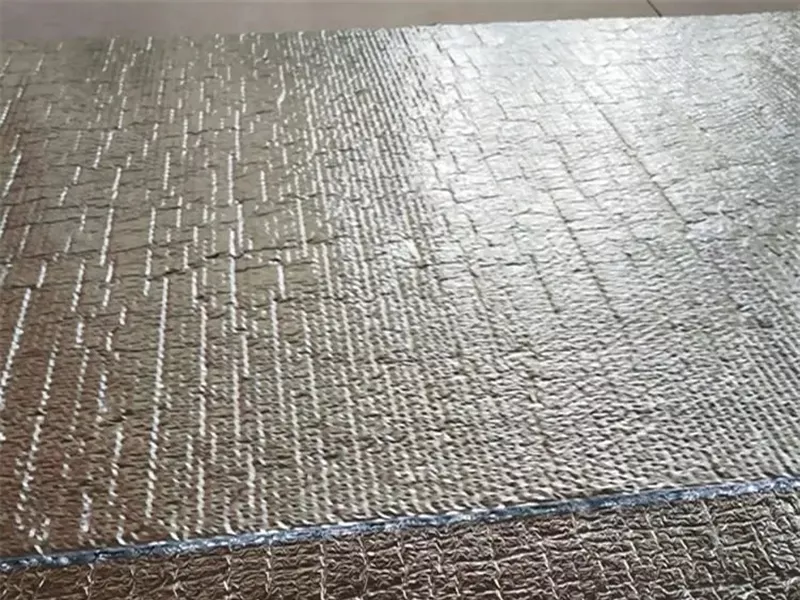
Aluminum Foil for Roof and Wall Insulation
Aluminum foil is widely used as a facing for PUR/PIR insulation boards. The rigid foam core provides most of the thermal resistance, while the foil facing helps control water vapor movement and, when it faces a suitable air space, reduces radiant heat transfer.
This combination is useful in roofs and walls where insulation performance must be balanced with available space. PUR/PIR boards can provide high thermal resistance in a relatively slim build-up, although the thickness required depends on the product’s declared thermal conductivity and the performance target for the complete assembly.
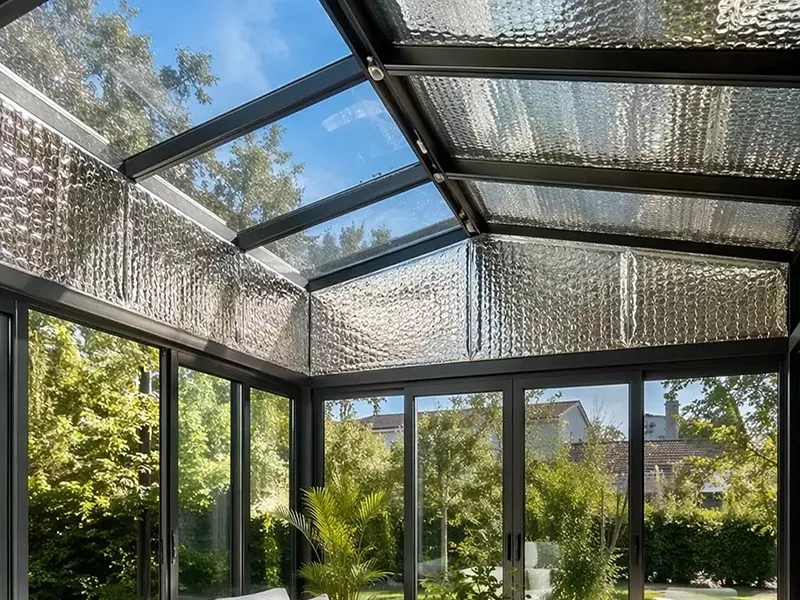
Aluminum foil facings are used on PUR/PIR insulation panels for roof and wall applications.
Reflective Performance Depends on the Installation
Aluminum has a low-emissivity surface, meaning it can limit heat transfer by radiation. To use this property effectively, the reflective surface needs to face an air gap. When foil is pressed directly against another material, it does not provide the same radiant-barrier benefit.
Foil is also used as a facing on bubble insulation and other lightweight insulation products. For these systems, check the tested thermal resistance and installation requirements rather than judging performance by the reflective appearance alone.
Managing Moisture in the Insulation Build-Up
An aluminum facing can serve as a vapor-control layer when it forms part of a continuous, correctly detailed system. Sealed joints, edges and service penetrations are essential: gaps can allow moist air to reach colder parts of the roof or wall, where condensation may occur.
The position of this layer should suit the climate and the construction. Foil alone cannot prevent mold; moisture control also depends on airtightness, ventilation and the ability of the assembly to dry.
Aluminum foil combined with bitumen is another option for vapor-control applications. The bitumen layer can help protect the foil during handling and installation, while the finished product’s suitability depends on its specification and intended use.
When comparing foil-faced panels, review the performance of the complete insulation product, including its thermal rating, moisture resistance and fire classification. Service life and recyclability depend on the full material build-up—not on the aluminum facing alone.
FAQ About Aluminum Foil for Roofing
Can aluminum foil be used as roof insulation?
Yes. Aluminum foil can be used as the reflective layer in a radiant barrier or reflective insulation assembly. It primarily addresses radiant heat transfer and should not automatically be treated as a replacement for bulk thermal insulation.
Is aluminum foil alone enough to insulate a roof?
No. Aluminum foil can provide a radiant-control surface when correctly positioned, but thin foil does not replace bulk insulation, waterproofing or condensation control.
Can roofing aluminum foil be installed directly as an exposed roof covering?
The raw foil supplied for converting should not be assumed suitable as a standalone roof covering. Exposed roofing products require a suitable supporting structure, fastening or bonding system, weather protection and application-specific validation.
Which alloy is best for roof insulation foil?
There is no single best grade for every product. The right choice depends on thickness, temper, laminate support, coating, line conditions and finished-product requirements. Haomei offers 8079, 8011, 1200, 1050 and 1100 for specification review.
Does a shiny surface guarantee better insulation?
No. Visible brightness is not a substitute for measured thermal emissivity. Coatings and surface changes can affect performance even when the foil still looks reflective.
Do you supply coated aluminum foil for roofing?
Yes. Haomei can discuss coated foil requirements, including 8079 coated roofing foil, based on the final roofing or insulation structure.
Can I order roofing foil in slit rolls?
Yes. Slit-roll supply can be arranged according to the required width, core dimensions, roll weight and other agreed specifications.