
3105 Aluminum Plate Sheet
3105 aluminum sheet is a non-heat-treatable Al-Mn-Mg alloy that provides a practical balance of corrosion resistance, formability, weldability and strength for architectural, transportation, signage, bottle-cap and general sheet-metal applications.
Available in O, H12, H14, H16, H18, H22, H24, H26 and H28 tempers, with mill finish, pre-painted, embossed and other surface options. Custom thickness, width, length and processing can be arranged according to the application and agreed specification.
- ASTM B209
- AA 3105 / UNS A93105
- Multiple Tempers
- Custom Sizes
- Mill & Coated Finishes
- MTC Available on Request
- Third-Party Inspection Available
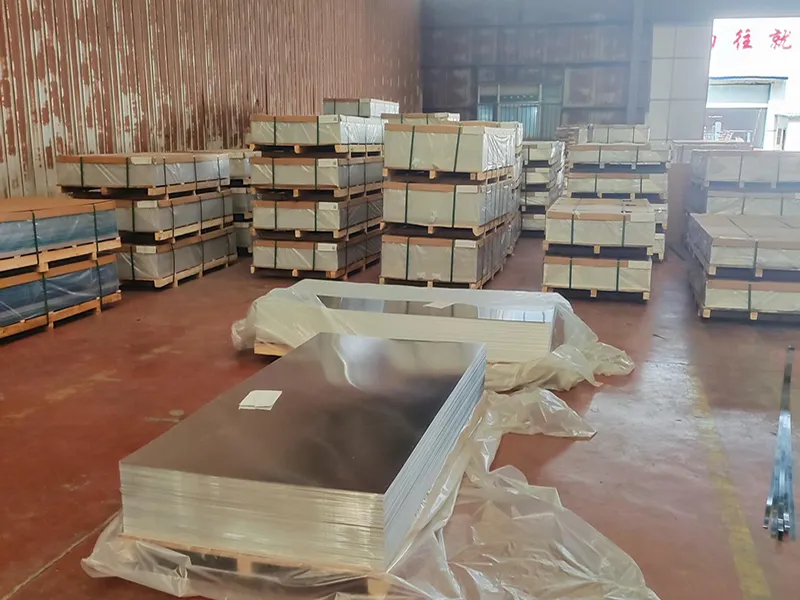
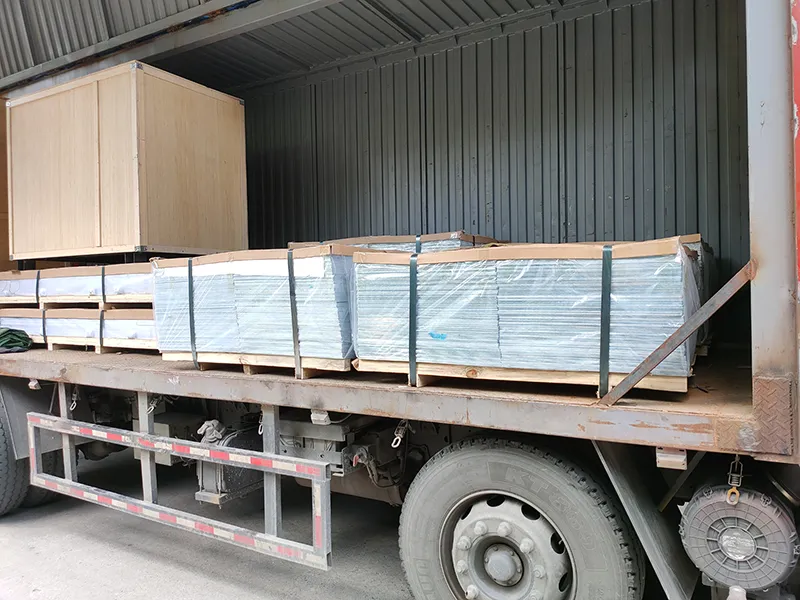
- Export Packing
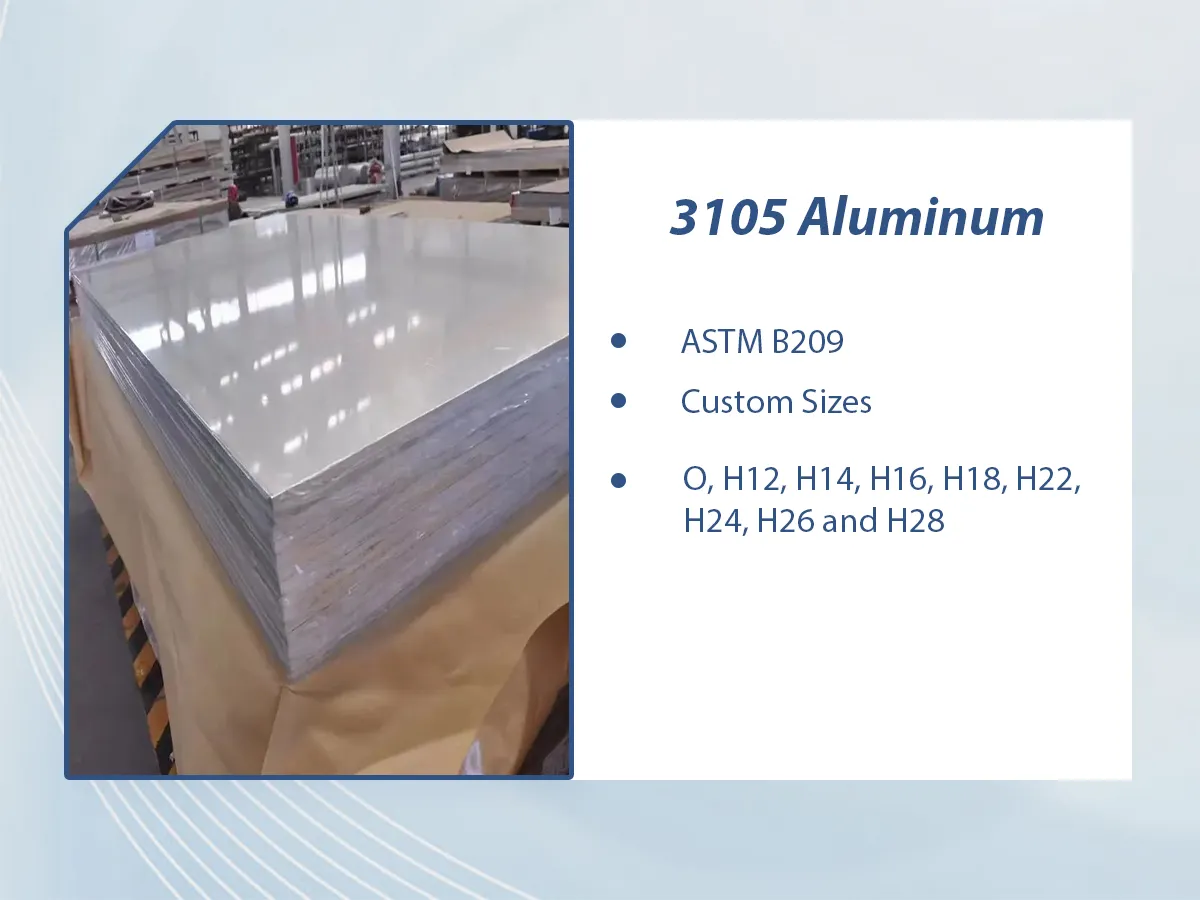
What Is 3105 Aluminum Sheet?
3105 aluminum sheet is a 3000 series aluminum-manganese alloy commonly selected when a product needs good corrosion resistance, good formability, weldability and moderate strength without requiring heat-treatment strengthening.
Compared with 1000 series alloys such as 1100, 3105 provides higher strength while retaining useful forming characteristics. It is widely used in building products, siding, roofing, rainwater systems, mobile homes, signage, transportation panels and other general sheet-metal applications.
The alloy is often described as a corrosion-resistant aluminum because it performs well in atmospheric environments and can maintain corrosion resistance after common bending and forming operations when the product is properly specified and finished.
- Non-heat-treatable 3000 series alloy.
- Good atmospheric corrosion resistance.
- Good formability and bending performance.
- Good stamping and drawing characteristics.
- Good weldability.
- Suitable for painted and coated products.
- Available in a broad range of tempers.
- Useful balance of strength and ductility.
3105 Aluminum Sheet Specifications
Specifications
- Alloy
- 3105 aluminum alloy
- Grade
- AA 3105
- UNS
- A93105
- Series
- 3000 series Al-Mn alloy
- Standard
- ASTM B209; EN product requirements may be available by agreement
- Temper
- O, H12, H14, H16, H18, H22, H24, H26, H28 and selected special tempers
- Thickness
- Typical 0.2–10 mm for sheet; larger plate dimensions may be available depending on production capability
- Width
- Typical up to 2, 650 mm
- Length
- Custom / cut-to-length
- Surface
- Mill finish, painted, embossed, brushed, anodized and other agreed finishes
- Documentation
- MTC and third-party inspection options available on request
Typical Product Forms
- Flat aluminum sheet
- Aluminum plate
- Aluminum coil
- Slit aluminum strip
- Pre-painted aluminum coil/sheet
- Embossed / stucco aluminum sheet
- Five-bar / tread products
- Deep-drawing sheet and strip for selected applications
Custom Processing
- Cut-to-length
- Slitting
- Leveling
- Edge trimming
- Roll forming preparation
- Coating preparation
- Protective film on request
3105 Aluminum Plate Chemical Composition
| Element | 3105 |
| Silicon | 0.6 |
| Iron | 0.7 |
| Copper | 0.30 |
| Manganese | 0.30-0.8 |
| Magnesium | 0.20-0.8 |
| Chromium | 0.20 |
| Zinc | 0.40 |
| Titanium | 0.10 |
| Aluminum | balance |
| Other Elements (each) | 0.05 |
| Other Elements (total) | 0.15 |
3105 Aluminum Sheet Mechanical Properties
| Temper | Tensile Strength | Yield Strength | Typical Formability | Typical Uses |
| 3105-O | Approx. 110–155 MPa | Lower than H tempers | Excellent | Deep drawing, complex forming, stamped components |
| 3105-H12 | Approx. 130–175 MPa | Approx. 115 MPa | Very good | General forming, panels, light fabrication |
| 3105-H14 | Approx. 160–205 MPa | Approx. 145 MPa | Good | Siding, panels, stamped parts, coated sheet |
| 3105-H16 | Approx. 185–230 MPa | Approx. 170 MPa | Moderate | Higher-strength sheet and cap-stock related applications |
| 3105-H18 | ≥ 215 MPa, representative | Approx. 190 MPa, representative | Limited | Flat components, nameplates and products requiring higher hardness |
3105 Aluminum Plate Physical Properties
| Property | 3105 Data |
| Density, lb/in3 | 0.0983 |
| Modulus of Elasticity, psi | 10.0 x 10⁶ |
| Coefficient of Thermal Expansion, 68-212˚F, /˚F | 12.1 x 10⁻⁶ |
| Thermal Conductivity, Btu/ft hr ˚F | 99 |
| Specific Heat, Btu/lb ˚F | 0.214 |
| Electrical Resistivity, Microohm-in | 1.504 |
Common Tempers of 3105 Aluminum
Temper selection determines the practical balance between strength, elongation and forming performance. The best temper depends on whether the application requires deep drawing, bending, rigidity or a relatively flat finished component.
| Temper | Condition | Strength | Ductility / Formability | Recommended Applications |
| 3105-O | Fully annealed | Lowest | Highest / Excellent | Deep drawing, stretching, spinning, complex stamped parts |
| 3105-H12 | Quarter hard | Low to medium | Very good | General fabrication and moderate forming |
| 3105-H14 | Half hard | Medium | Good | Wall cladding, siding, roofing components, stamped parts |
| 3105-H16 | Cold worked | Medium-high | Moderate | Higher-strength sheet and selected cap-stock applications |
| 3105-H18 | Full hard | Highest among common listed tempers | Low | Flat or minimally formed components |
| 3105-H22 | Strain hardened and partially annealed | Medium | Good | General formed components |
| 3105-H24 | Strain hardened and partially annealed | Medium | Good | Roofing, wall panels, siding, painted substrates |
| 3105-H26 | Strain hardened and partially annealed | Medium-high | Moderate | More rigid panels and formed products |
| 3105-H28 | Higher cold-work condition | High | Lower than H24 | Applications requiring increased hardness and rigidity |
3105-O Temper
The fully annealed condition provides the highest ductility and formability among the common tempers.
It is appropriate where deep drawing, stretching, spinning or complex forming is the priority and lower material strength is acceptable.
Typical applications:
- Deep-drawn components
- Complex stamped parts
- Spun components
- Radiator-related formed parts
3105-H14 / H24
H14 and H24 are among the most useful balanced conditions for products requiring a combination of moderate strength and practical forming ability.
H24 is particularly useful for architectural and painted applications where stable mechanical properties and forming performance are important.
Typical applications:
- Wall cladding
- Roofing panels
- Siding
- Louvers
- Pre-painted sheet
3105-H18 Temper
H18 represents a higher cold-work condition with increased strength and hardness but significantly reduced elongation compared with O temper.
It is more appropriate where rigidity is important and little additional forming is expected.
Typical applications:
- Nameplates
- Flat support panels
- Selected closure components
- Harder thin-gauge products
3105 Aluminum Sheet Surface Finishes
Surface selection affects appearance, corrosion protection, coating performance and the final manufacturing process.
Mill Finish 3105 Aluminum Sheet
The standard as-rolled aluminum surface has a natural silver appearance. It is widely used for further fabrication, painting, coating, forming and general industrial applications.
Pre-Painted / Color-Coated 3105
3105 is well suited to coil-coating processes. Polyester, HDP, PVDF and other agreed coating systems can be selected according to exposure, appearance and service requirements.
Brushed Finish 3105
Mechanical abrasion creates a directional satin appearance for decorative interior panels, trim and selected architectural products.
Embossed / Stucco 3105
Mechanical embossing creates a textured pattern that can hide minor surface marks, change appearance and provide a textured architectural finish.
Anodized 3105
3105 can be considered for anodized products where the surface requirements and final appearance are suitable for the alloy, temper and application.
Protective Coating
Protective film or other temporary surface protection can be arranged when the sheet requires additional protection during transport, fabrication or installation.
3105 Aluminum Plate Characteristics
Excellent Corrosion Resistance
3105 provides good resistance to atmospheric and many common corrosive environments, making it suitable for exterior building products and other applications where weather exposure is expected.
Good Formability
The alloy performs well in bending, stamping, drawing and other conventional forming processes. Softer tempers provide greater ductility than harder cold-worked conditions.
Good Weldability
3105 can be welded by common commercial methods including arc welding, resistance welding and other appropriate processes.
Non-Heat-Treatable
3105 does not obtain its normal strength through precipitation hardening. Mechanical properties are mainly controlled through cold working and annealing.
Good Coating Performance
3105 is widely used as a substrate for painted and coated architectural products because it offers a practical combination of forming performance, corrosion resistance and surface quality.
Useful Strength-to-Weight Ratio
The alloy provides moderate strength without the weight penalty of many conventional steel sheet products.
3105 Aluminum Sheet Applications
3105 is commonly selected for applications requiring a practical combination of light weight, corrosion resistance, forming performance and moderate strength.
Architectural Siding
Frequently used for residential and mobile-home exterior siding, particularly in pre-painted or roll-formed sheet products.
Roofing and Rainwater Systems
Used for roofing sheet, gutters, downspouts and related products where weather resistance, low weight and forming are important.
Pre-Painted Aluminum
A common substrate for coil-coated products used in building envelopes and architectural panels.
Transportation
Used for selected truck, trailer, RV and vehicle interior/exterior panel applications where weight reduction is beneficial.
Bottle Caps and Closures
Precision thin sheet and strip can be processed for selected beverage, wine and cosmetic closure applications, depending on the required drawing and coating specification.
Signage
Suitable for signage and billboard components because of its formability, surface quality and compatibility with coatings and graphics.
HVAC and Industrial Components
Used in selected HVAC panels, baffles, louvers, covers and enclosures.
Tread / Chequered Products
3105 can be supplied in embossed or tread formats for selected flooring, steps, panels and non-slip applications.
Appliance and Consumer Components
Suitable for lamp shades, instrument panels, louvers and other formed decorative or functional components.
3105 Aluminum Sheet Processing Characteristics
Formability and Cold Working
3105 has good forming characteristics across conventional sheet-metal processes. The actual bend radius should be selected based on temper, thickness, tooling and direction of bending.
As a general planning guide, softer O, H12, H14 and H16 tempers can usually accommodate tighter forming than H18, while harder tempers require greater care to reduce the risk of cracking.
Machinability
Machinability is generally acceptable for light machining. Sharp tools, appropriate cutting conditions and suitable lubrication can reduce the influence of work hardening.
Harder tempers can provide better machining behavior than fully annealed material in some operations.
Welding
3105 has good weldability using common commercial techniques. Arc welding is widely used, while TIG, MIG and resistance welding may be selected according to thickness, joint design and production requirements.
Heat Treatment and Annealing
3105 is a non-heat-treatable alloy. It is strengthened by cold working, while annealing can be used to restore ductility after substantial cold work.
Representative annealing practice may involve approximately 345°C followed by controlled cooling, but the actual procedure should be established for the specific product and manufacturing process.
Hot Working
3105 can be hot worked within a suitable processing temperature range. Actual hot-working practice should be determined based on thickness, equipment and the required final temper.
Aging and Hardening
Artificial aging is not used as the primary strengthening mechanism. The alloy hardens through cold working rather than precipitation heat treatment.
3105 Aluminum Sheet Quality Control
Chemical Composition
PMI or spectrometer-based chemistry verification can be used to confirm alloy identification and composition against the agreed specification.
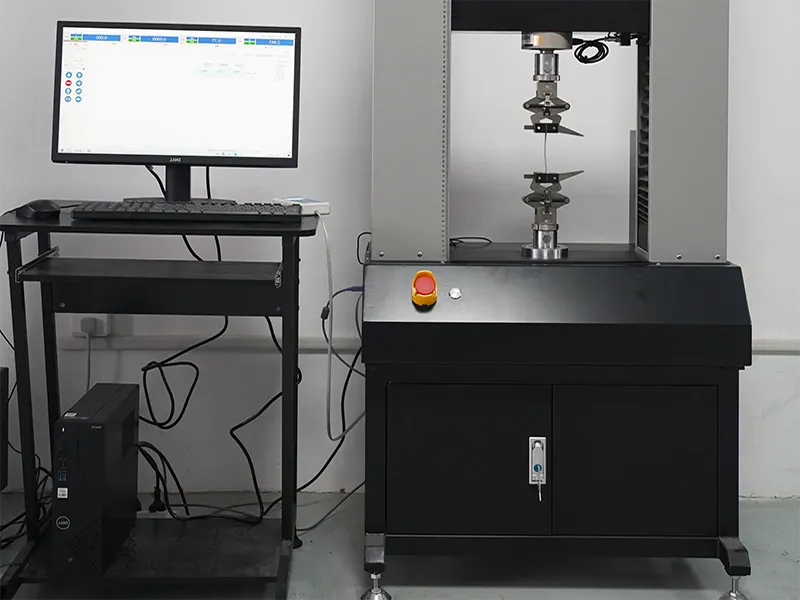
Mechanical Testing
Tensile strength, yield strength and elongation can be checked according to the applicable testing requirements.
Dimensional Inspection
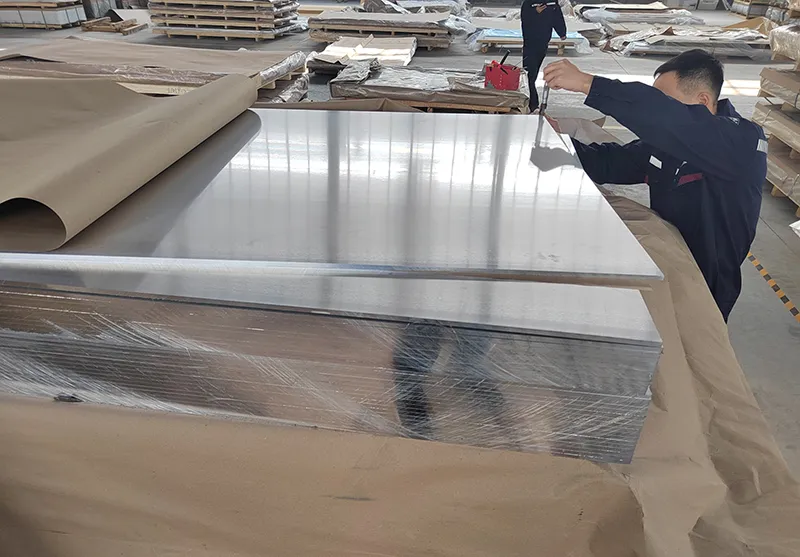
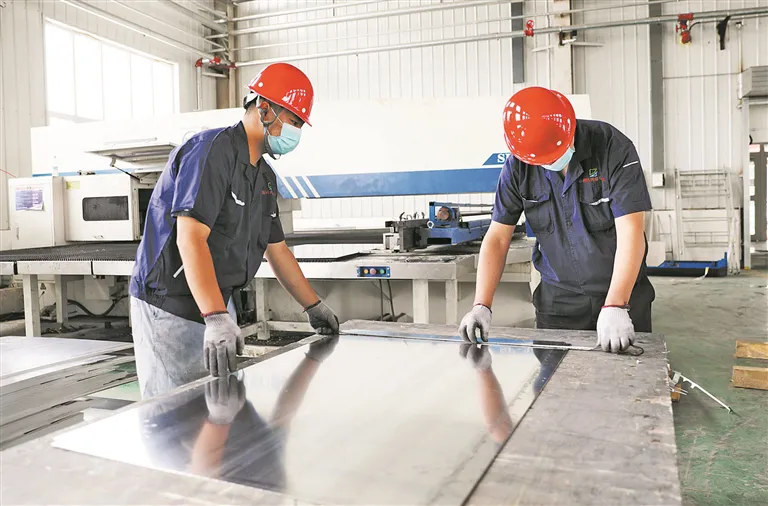
Thickness, width, length, flatness and edge condition can be inspected against the agreed tolerance.
Surface Inspection
The surface should be checked for scratches, contamination, roll marks, dents and other visible defects.
Material Test Certificate
MTC documentation can be supplied according to the agreed order requirements.
Third-Party Inspection
SGS, BV or another mutually agreed third-party inspection organization can be considered for applicable export orders.
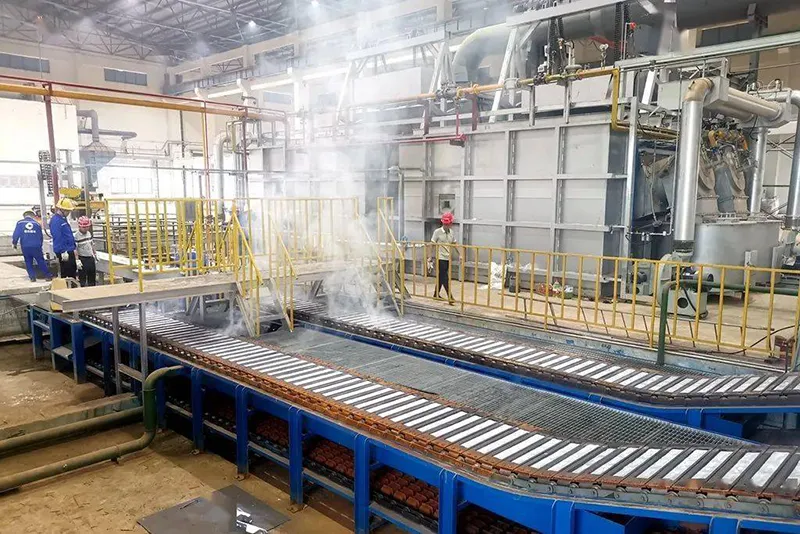
3105 Aluminum Sheet Production and Quality Inspection
Advantages and Limitations of 3105 Aluminum Plate
Advantages
- Good corrosion resistance for exterior and general applications.
- Good formability and drawing performance.
- Good weldability.
- Useful balance of strength and ductility.
- Suitable for bending, stamping and roll forming.
- Suitable substrate for many painted products.
- Available in a broad range of tempers.
- Lower weight than many conventional structural sheet materials.
- Suitable for a wide variety of architectural products.
Limitations
- Cannot be strengthened through precipitation heat treatment.
- Harder tempers have reduced ductility.
- Machinability is not the primary advantage of the alloy.
- Electrical conductivity is lower than high-purity 1xxx series aluminum.
- For higher structural strength or demanding marine applications, other alloys may be more appropriate.
- Exact forming limits depend on thickness, temper, tooling and grain direction.
3105 Aluminum Sheet Manufacturing Process
Casting
Alloy melting and casting establish the required composition and slab dimensions before rolling.
Homogenization
Controlled thermal treatment may be used to improve material uniformity before rolling.
Hot Rolling
Aluminum slab is reduced to intermediate gauge through hot rolling.
Cold Rolling
Cold rolling controls final thickness and contributes to the selected work-hardened temper.
Annealing
Intermediate or final annealing may be applied where required to establish the required ductility and temper condition.
Leveling / Cutting
Sheet can be leveled, cut-to-length, slit or processed to agreed dimensions.
Surface Treatment
Painting, embossing, brushing or other surface processes can be applied according to the product specification.
Final Inspection
Chemical, dimensional, mechanical and surface inspections are completed according to the agreed quality requirements.
3105 vs 3003 vs 5052 vs 1100 Aluminum
The correct alloy depends on the required strength, corrosion resistance, forming performance, application environment and cost target.
| Property | 3105 | 3003 | 5052 | 1100 |
| Series | 3000 | 3000 | 5000 | 1000 |
| Heat Treatable | No | No | No | No |
| Relative Strength | Medium | Medium-low | Higher | Lower |
| Formability | Excellent | Excellent | Good | Excellent |
| Corrosion Resistance | Excellent for many general environments | Excellent | Excellent | Good to excellent depending on environment |
| Weldability | Good | Good | Good | Good |
| Typical Uses | Siding, roofing, coated sheet, closures, general fabrication | General sheet-metal products | Marine, tanks, structural and transportation | General fabrication and high-conductivity-related applications |
| Why Choose It? | Balanced strength, formability and corrosion resistance | Economical general-purpose 3000 series option | Higher strength and demanding corrosion environments | High aluminum content and excellent formability |
3105 vs 3003
Both are 3000 series non-heat-treatable alloys. 3105 provides a useful balance of moderate strength, formability and corrosion resistance and is particularly common in architectural products and coated sheet.
3105 vs 5052
5052 generally provides higher strength and is commonly selected for more demanding structural, transportation and marine-related applications. 3105 is often more attractive where forming, coating and architectural applications are the priority.
3105 vs 1100
3105 generally provides higher strength than 1100 while retaining good formability, making it useful where a 1xxx alloy would not provide enough strength for the finished product.
FAQ – 3105 Aluminum Sheet
What is 3105 aluminum sheet?
3105 aluminum sheet is a non-heat-treatable 3000 series aluminum alloy known for its combination of corrosion resistance, formability, weldability and moderate strength.
What is ASTM B209 3105 aluminum sheet?
ASTM B209 covers aluminum and aluminum-alloy sheet and plate products. When ordering 3105 to ASTM B209, specify the alloy, temper, dimensions, tolerances and required testing or documentation.
What is the difference between 3105 H14 and H24?
Both provide a useful balance of strength and formability. H14 is strain hardened, while H24 is strain hardened and then partially annealed. H24 is often selected for architectural sheet products where forming performance and stable properties are important.
What is the difference between 3105 O and H18?
3105-O is fully annealed and provides higher ductility and formability. H18 is a much harder cold-worked condition with higher strength but lower elongation.
Is 3105 aluminum sheet suitable for bending?
Yes. 3105 is well suited to bending and forming. The minimum bend radius depends on temper, thickness, bending direction, tooling and the application. Softer tempers generally allow tighter bends.
Is 3105 aluminum sheet suitable for deep drawing?
Yes. 3105 provides good drawing characteristics, especially in softer tempers such as O. Actual drawing performance depends on thickness, temper, tooling, lubrication and the forming sequence.
Can 3105 aluminum sheet be welded?
Yes. 3105 has good weldability using common commercial welding processes. The preferred process depends on thickness, joint design, production requirements and the required finished properties.
Can 3105 aluminum sheet be painted?
Yes. 3105 is commonly used as a substrate for pre-painted and coil-coated aluminum products. Polyester, HDP, PVDF and other coating systems can be selected according to the service environment.
Is 3105 aluminum suitable for outdoor applications?
Yes. Its corrosion resistance makes it suitable for many outdoor architectural applications, including siding, roofing, gutters and downspouts, particularly when the surface is appropriately coated or finished.
What is the difference between 3003 and 3105 aluminum?
Both are 3000 series non-heat-treatable alloys. 3105 is commonly selected for a balance of moderate strength, formability, corrosion resistance and coating performance, while 3003 is a widely used general-purpose aluminum-manganese alloy.
What is the difference between 5052 and 3105 aluminum?
5052 generally provides higher strength and is widely used for demanding transportation, marine and structural applications. 3105 is commonly preferred for architectural, coated and general formed sheet applications where balanced properties are required.
What is the price of 3105 aluminum sheet?
The price depends on alloy, temper, thickness, width, surface finish, quantity, processing, packaging and current aluminum market conditions. Request a quotation based on the required specification for an accurate offer.
What thicknesses are available for 3105 aluminum sheet?
Typical 3105 aluminum sheet thickness can start at around 0.2 mm, with commonly supplied ranges extending into several millimeters. Larger thicknesses may be available in plate form depending on production capability. Confirm exact dimensions with the supplier.
Can 3105 aluminum sheet be supplied in custom sizes?
Yes. Cut-to-length, custom width, slitting and other processing can generally be arranged according to available equipment and order requirements.
Can you provide an MTC for 3105 aluminum sheet?
Material test documentation can be arranged according to the agreed order requirements. Customers should specify the required documentation standard and inspection requirements when requesting a quotation.
Is 3105 painted aluminum the same as 3105 aluminum sheet?
Painted 3105 uses the same base alloy with an additional coating applied to the surface. The coating improves appearance and can provide additional surface protection.
Products you may be interested in
Further reading
Users viewing this material also viewed the following
- 3105 Aluminum for Wine Bottle Caps
- 3105 Aluminum for Roofing Panels
- 3105 Corrugated Aluminum Sheet
- 3105 Aluminum for Lamp Holders
- 3105 Color Coated Aluminum Coil
- 3105 Aluminum Coil for Venetian Blinds
- 3105 Aluminum for Beverage Cans
- 3105 Aluminum for Bottle Caps
Recommended Content